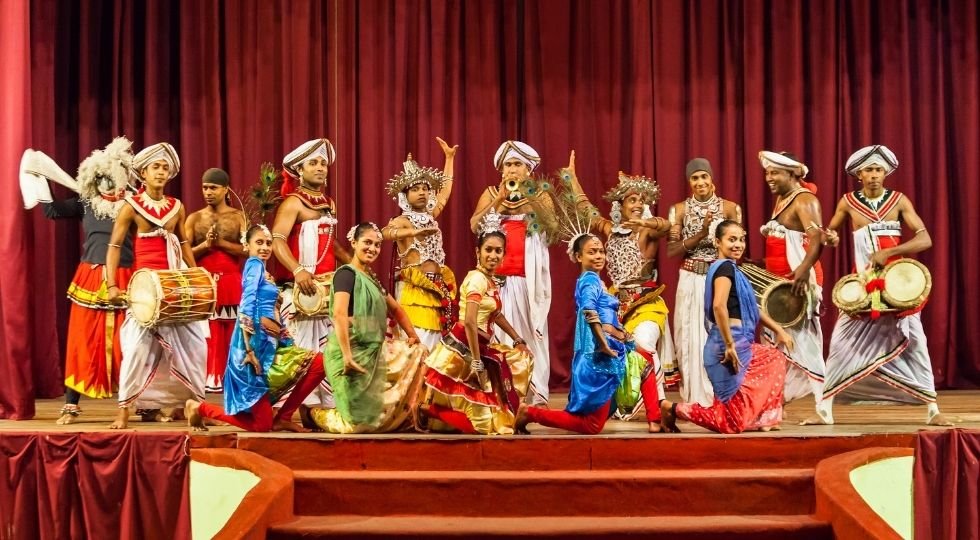
In an increasingly globalized world, many children grow up balancing multiple cultural influences. For Indian families living abroad or even within rapidly modernizing urban environments in India, maintaining a strong connection to cultural roots has become both important and challenging. Children today are exposed to diverse languages, traditions, lifestyles, and values through schools, media, friendships, and digital platforms. Amid these influences, helping children feel proud of their Indian heritage plays a significant role in shaping confidence, identity, emotional belonging, and cultural understanding.
Indian heritage is deeply rich in language, history, spirituality, art, food, family values, festivals, literature, and traditions. However, cultural pride cannot simply be taught through lectures or expectations. Children develop genuine appreciation when heritage becomes meaningful, joyful, relatable, and integrated into daily life.
Consult experts for culturally connected family guidance today
Parents often worry that children raised outside India may gradually lose emotional connection with their roots. Others fear children may feel embarrassed about cultural differences in multicultural environments. These concerns are understandable, but heritage pride grows best through positive experiences, open conversations, and emotional connection rather than pressure or guilt.
Helping children value their Indian identity does not mean limiting their exposure to global cultures. Instead, it means giving them a strong foundation from which they can confidently engage with the world while remaining connected to their roots.
Why Cultural Identity Matters for Children
A healthy cultural identity contributes significantly to emotional development and self-confidence.
Children who understand their heritage often experience:
- Stronger sense of belonging
- Better self-esteem
- Greater family connection
- Emotional stability
- Respect for diversity
- Improved intergenerational relationships
Cultural awareness helps children understand where they come from while giving them confidence to navigate multicultural environments.
When children feel disconnected from their roots, they may struggle with identity confusion, social insecurity, or feelings of cultural isolation.
Understanding Indian Heritage Beyond Stereotypes
Indian heritage is far more than festivals, food, and clothing. It includes centuries of knowledge, creativity, philosophy, resilience, and diversity.
Children should gradually learn that Indian culture includes:
- Multiple languages
- Diverse religions and traditions
- Ancient scientific contributions
- Literature and storytelling traditions
- Classical and folk arts
- Yoga and wellness practices
- Family-centered values
- Historical achievements
- Regional diversity
Presenting Indian heritage in a balanced and meaningful way helps children appreciate its depth and relevance.
Creating Positive Cultural Experiences at Home
Home is the first place where cultural identity develops naturally.
Celebrate Festivals Meaningfully
Indian festivals provide powerful opportunities for emotional and cultural connection.
Children enjoy festivals when they involve:
- Stories behind traditions
- Music and decorations
- Cooking together
- Family gatherings
- Traditional clothing
- Creative activities
Rather than focusing only on rituals, parents can explain the values and emotions associated with celebrations.
For example:
- Diwali teaches light over darkness
- Holi celebrates joy and unity
- Raksha Bandhan highlights sibling bonds
- Eid emphasizes generosity and compassion
- Pongal and Baisakhi celebrate gratitude and harvest
Meaningful participation creates positive emotional memories.
Introduce Indian Food as Cultural Connection
Food is one of the strongest expressions of cultural identity.
Cooking traditional meals together helps children connect with:
- Family traditions
- Regional heritage
- Grandparents’ memories
- Cultural stories
Parents can involve children in:
- Simple cooking activities
- Grocery shopping for Indian ingredients
- Learning regional dishes
- Understanding food traditions during festivals
Children are more likely to value traditions they actively experience.
Share Family Stories
Family history builds emotional connection to heritage.
Children enjoy hearing stories about:
- Grandparents’ childhoods
- Family traditions
- Life in India
- Cultural experiences
- Historical family moments
Storytelling helps heritage feel personal rather than abstract.
Book support for strengthening children’s cultural identity confidently
Teaching Indian Languages Without Pressure
Language is a powerful cultural bridge, but many parents struggle to teach Indian languages consistently.
The goal should not always be fluency. Even partial understanding can strengthen emotional connection.
Make Language Learning Natural
Children learn better through enjoyable interaction rather than strict correction.
Helpful approaches include:
- Speaking simple phrases daily
- Watching children’s programs in Indian languages
- Reading bilingual books
- Singing songs together
- Using language during family routines
Positive exposure builds comfort and familiarity over time.
Avoid Shaming Children for Language Gaps
Some children feel embarrassed when corrected harshly for pronunciation mistakes or weak vocabulary.
Encouragement works better than criticism. Cultural pride grows through emotional safety, not pressure.
Encouraging Pride Through Indian Arts and Creativity
India’s artistic traditions offer engaging ways for children to connect culturally.
Music and Dance
Children may enjoy exploring:
- Classical dance forms
- Bollywood music
- Folk dances
- Regional songs
- Traditional instruments
Participation creates emotional ownership of cultural traditions.
Literature and Storytelling
Indian mythology and literature provide rich educational opportunities.
Age-appropriate stories from:
- Ramayana
- Mahabharata
- Panchatantra
- Akbar and Birbal
- Regional folklore
can teach values, creativity, and imagination while strengthening cultural familiarity.
Visual Arts and Crafts
Traditional crafts such as rangoli, pottery, block printing, and folk painting introduce children to India’s artistic diversity.
Creative activities make cultural learning interactive and memorable.
Helping Children Navigate Cultural Differences
Children growing up in multicultural environments may sometimes feel different from peers.
Common Challenges Include
- Bringing different food to school
- Wearing traditional clothing
- Having unfamiliar names
- Participating in cultural traditions others do not understand
Parents should help children view these differences positively rather than defensively.
Build Confidence in Cultural Identity
Children should feel comfortable explaining their traditions without shame or hesitation.
Parents can encourage conversations such as:
- “Our family celebrates this festival because…”
- “This food is special in our culture because…”
- “My grandparents speak this language…”
Confidence develops when children feel their culture is respected at home.
Avoid Comparing Cultures Negatively
Teaching cultural pride should never involve criticizing other cultures.
Children should learn that:
- Every culture has value
- Diversity is enriching
- Cultural differences are normal
- Respect matters universally
Healthy cultural pride is based on appreciation, not superiority.
Schedule consultation for stronger family cultural connections today
Role of Grandparents in Cultural Connection
Grandparents often play a powerful role in preserving heritage.
They contribute through:
- Language exposure
- Traditional stories
- Religious practices
- Emotional bonding
- Cultural continuity
Regular interaction with grandparents strengthens children’s emotional understanding of family roots.
For families living abroad, video calls and visits can help maintain these relationships.
Visiting India and Cultural Immersion
Traveling to India can deepen cultural understanding significantly.
Benefits of Visiting India
Children gain exposure to:
- Extended family relationships
- Local traditions
- Historical sites
- Regional diversity
- Indian languages in daily use
- Community celebrations
Experiencing India directly helps children connect emotionally with their heritage beyond textbooks or stories.
Balance Expectations During Visits
Parents should avoid overwhelming children with excessive cultural expectations during visits.
Gradual exposure and enjoyable experiences create stronger positive associations.
Teaching Indian Values in Modern Contexts
Indian heritage also includes values that remain highly relevant today.
Important values include:
- Respect for elders
- Family support
- Hospitality
- Compassion
- Community responsibility
- Spiritual reflection
- Educational commitment
However, values should be explained thoughtfully rather than enforced rigidly.
Children respond better when values are demonstrated consistently through behavior.
Using Modern Media Positively
Digital media can support cultural learning when used intentionally.
Helpful Resources Include
- Educational YouTube channels
- Indian children’s movies
- Cultural documentaries
- Language learning apps
- Indian music playlists
- Animated mythology stories
Parents should choose content that presents culture positively and accurately.
Addressing Cultural Embarrassment
Some children may temporarily reject aspects of their heritage due to peer pressure or desire to fit in.
This is relatively common, especially during adolescence.
Respond Calmly and Supportively
Avoid reacting with anger or guilt.
Instead:
- Listen openly
- Understand their concerns
- Discuss experiences honestly
- Reinforce cultural pride gently
Children often reconnect with heritage more strongly when they feel emotionally supported rather than forced.
Get personalized guidance for raising culturally confident children
Importance of Representation
Children benefit from seeing successful individuals who share their cultural background.
Parents can introduce role models from Indian heritage across fields such as:
- Science
- Literature
- Technology
- Medicine
- Sports
- Arts
- Public leadership
Representation strengthens confidence and belonging.
Creating Multicultural Confidence
Children do not have to choose between being globally connected and culturally rooted.
Strong cultural identity actually supports adaptability and openness.
Children can simultaneously:
- Appreciate Indian heritage
- Respect global diversity
- Build international friendships
- Develop independent identities
Balanced cultural confidence helps children navigate modern society successfully.
Encouraging Questions About Culture
Children naturally ask questions about traditions, religion, language, and family practices.
Parents should encourage curiosity without fear.
Questions help children:
- Think critically
- Understand meaning
- Build authentic connection
- Develop personal appreciation
Honest discussions create deeper cultural understanding than blind instruction.
Heritage and Emotional Belonging
Cultural identity contributes strongly to emotional belonging.
Children who feel connected to family heritage often experience:
- Greater emotional grounding
- Stronger family relationships
- Increased resilience
- Better identity clarity
Heritage provides continuity across generations.
Helping Children Build Their Own Cultural Relationship
Every child connects to heritage differently.
Some may enjoy language learning. Others may connect more through food, music, spirituality, travel, or storytelling.
Parents should allow children to develop personal cultural connections naturally rather than expecting identical interests.
Role of Schools and Community
Community support also influences cultural confidence.
Helpful opportunities include:
- Cultural events
- Indian community gatherings
- Language classes
- Dance and music programs
- Religious celebrations
- Heritage camps
Positive social environments reduce feelings of cultural isolation.
Avoiding Cultural Perfectionism
Parents sometimes worry excessively about preserving every tradition perfectly.
However, culture naturally evolves across generations.
Children do not need to practice every custom perfectly to value their heritage deeply.
Focus should remain on emotional connection, understanding, and pride rather than rigid perfection.
Heritage in Intercultural Families
In multicultural households, children may belong to multiple cultural traditions simultaneously.
This should be viewed as a strength rather than a conflict.
Parents can help children appreciate all aspects of their identity respectfully and confidently.
Long-Term Benefits of Cultural Pride
Children who develop healthy pride in their Indian heritage often benefit throughout life.
These benefits may include:
- Stronger identity confidence
- Better family relationships
- Increased empathy
- Cultural adaptability
- Emotional resilience
- Greater appreciation for diversity
Cultural grounding can provide lifelong emotional stability.
Building Heritage Through Everyday Moments
Cultural connection is built gradually through small everyday experiences such as:
- Shared meals
- Stories before bedtime
- Festival celebrations
- Family conversations
- Traditional music
- Visits with relatives
- Language exposure
Consistency matters more than intensity.
Connect with experts for heritage-focused parenting support today
Supporting Teenagers Through Identity Development
Teenagers often question identity more deeply.
Parents should remain patient during this stage.
Rather than forcing cultural participation, encourage open discussion and allow teenagers space to form personal understanding of heritage.
Respectful communication strengthens long-term connection.
Conclusion
Helping children feel proud of their Indian heritage is ultimately about creating emotional connection, confidence, and belonging. Heritage should not feel like pressure or obligation. Instead, it should become a meaningful source of identity, family connection, and personal strength.
Children thrive when they understand that their culture is valuable, respected, and worth celebrating. Through positive experiences, open conversations, family traditions, language exposure, storytelling, and cultural participation, parents can help children build lifelong appreciation for their roots.
In a globalized world, cultural identity does not limit children. It gives them a stronger foundation from which they can confidently engage with diverse communities while remaining connected to who they are and where they come from.
FAQs:
Understanding heritage helps children build confidence, emotional belonging, family connection, and cultural identity.
Parents can use festivals, food, language, stories, music, and family traditions to create enjoyable cultural experiences.
Parents should respond calmly, encourage open conversations, and reinforce cultural pride through positive experiences rather than pressure.
Fluency is not always necessary. Even basic language exposure can strengthen emotional and cultural connection.
Regular family interaction, cultural celebrations, visits to India, storytelling, and community involvement can help maintain strong cultural roots.