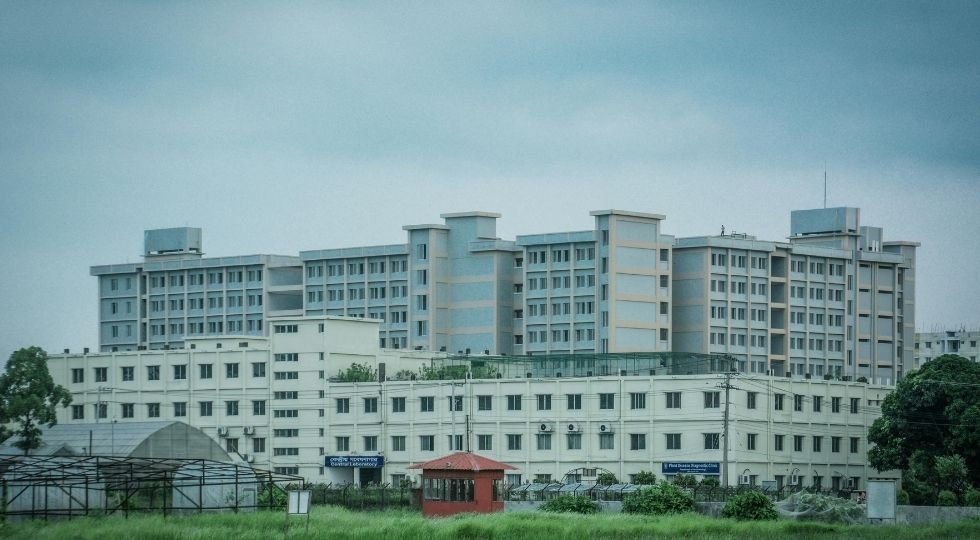
Understanding hospitals, medical systems, caregiving, costs, and healthcare decision-making for NRIs and global families
For many NRIs, healthcare becomes one of the most emotionally sensitive aspects of staying connected to India.
This usually begins with concerns about:
- aging parents,
- emergency medical care,
- chronic illness,
- hospital quality,
- caregiving support,
- or future treatment planning.
Worried About Parents’ Healthcare in India?
→ Book a consultation for caregiving clarity
At the same time, India is globally known for:
- highly skilled doctors,
- advanced medical treatment,
- and comparatively affordable healthcare in many specialties.
Yet the healthcare reality in India is far more layered than simple assumptions.
India contains:
- world-class hospitals,
- highly advanced specialists,
- crowded public systems,
- uneven regional access,
- rapidly growing private healthcare,
- and strong family-based caregiving structures—all existing simultaneously.
For NRIs and global families, understanding healthcare in India requires more than comparing costs or hospital rankings.
It requires understanding:
- how healthcare actually functions,
- how families navigate medical systems,
- how decisions are made,
- and what emotional realities emerge during illness and caregiving.
DeshSansaar exists to help families understand India’s healthcare reality with calmness, realism, and emotional clarity.
Why healthcare feels emotionally intense in India
Healthcare in India is rarely experienced as an individual issue alone.
Medical situations often involve:
- family participation,
- emotional involvement,
- collective decision-making,
- and caregiving expectations.
Unlike highly individualistic healthcare cultures, Indian healthcare frequently functions around:
- family-centered support systems.
This means:
- relatives often accompany patients,
- family members participate in medical discussions,
- and caregiving responsibilities may become shared across generations.
For NRIs, this creates both:
- emotional reassurance,
and sometimes: - emotional pressure or complexity.
India’s healthcare system is highly uneven
One of the most important realities to understand is that healthcare quality in India varies significantly depending on:
- location,
- infrastructure,
- economic access,
- and type of institution.
India contains:
- globally recognized private hospitals,
- government medical institutions,
- charitable healthcare systems,
- local clinics,
- and informal care networks.
As a result:
- two patients in different regions may experience completely different healthcare realities.
Urban areas may offer:
- highly advanced treatment,
while smaller towns may still struggle with: - specialist access,
- infrastructure,
- or emergency response systems.
Public vs private healthcare in India
India’s healthcare system broadly operates through two major structures:
Public healthcare system
This includes:
- government hospitals,
- public clinics,
- state-funded medical institutions,
- and public health programs.
Public systems may provide:
- affordable or subsidized care,
but often face: - overcrowding,
- long waiting times,
- and resource limitations in some areas.
Private healthcare system
Private healthcare in India has expanded rapidly over recent decades.
Many private hospitals offer:
- advanced medical technology,
- specialized treatment,
- international patient services,
- and shorter waiting times.
However:
- quality and cost vary significantly between institutions.
Some private hospitals are internationally respected, while others may vary in:
- standards,
- transparency,
- or patient experience.
Need Help Understanding Indian Healthcare Systems?
→ Talk through hospitals, care, and planning
Why India became a major medical destination
India has gained global attention for:
- specialized surgeries,
- cardiac care,
- oncology,
- orthopedics,
- fertility treatment,
- and advanced diagnostics.
Many international patients travel to India because:
- treatment may be more affordable compared to Western countries,
while still offering: - highly trained doctors,
- modern technology,
- and internationally connected healthcare systems.
This has strengthened India’s reputation in:
- medical tourism,
- specialized care,
- and private hospital infrastructure.
Healthcare affordability in India
Healthcare costs in India vary dramatically depending on:
- hospital type,
- location,
- treatment complexity,
- and insurance access.
For NRIs, India may sometimes feel:
- medically affordable compared to Western healthcare systems.
However:
- affordability does not always guarantee simplicity.
Families still face concerns around:
- caregiving,
- hospital coordination,
- second opinions,
- and treatment quality.
Why caregiving becomes a major concern for NRIs
One of the biggest emotional realities for NRIs is:
- managing parents’ healthcare from abroad.
Common worries include:
- emergency response,
- hospital access,
- medication management,
- chronic disease care,
- and elder support systems.
Many NRIs experience:
- emotional guilt,
- helplessness,
- or constant anxiety around parents aging in India.
Questions often include:
- “Who will help during emergencies?”
- “Can parents manage alone?”
- “What happens if hospitalization becomes necessary?”
- “How do we coordinate care from another country?”
Healthcare becomes deeply connected to:
- emotional responsibility,
- family structure,
- and long-distance caregiving.
Emergency healthcare reality in India
Emergency medical access varies significantly across:
- cities,
- towns,
- and regions.
Large urban centers often provide:
- advanced emergency care,
- specialist hospitals,
- and faster medical response infrastructure.
However:
- smaller regions may face:
- ambulance delays,
- limited trauma facilities,
- or specialist shortages.
For NRIs, emergency planning becomes especially important because:
- physical distance limits immediate involvement.
The importance of family networks in healthcare
In India, healthcare often depends partly on:
- family coordination,
- local contacts,
- referrals,
- and support networks.
Families may help with:
- hospital navigation,
- caregiving,
- appointments,
- medication,
- and emotional support.
This relationship-driven reality can be:
- comforting,
but also: - overwhelming for families managing complex illness situations.
Chronic illness and long-term care challenges
As India’s population ages, chronic health conditions are becoming more common:
- diabetes,
- heart disease,
- hypertension,
- neurological disorders,
- and age-related conditions.
Long-term care systems in India are still evolving.
Families often remain the primary caregivers.
This creates major emotional and logistical pressure for:
- adult children abroad,
- aging spouses,
- and elderly individuals living independently.
Mental health awareness in India
Mental health awareness in India is improving but still evolving socially.
There is growing openness around:
- anxiety,
- depression,
- therapy,
- and emotional wellbeing.
At the same time:
- stigma,
- misunderstanding,
- and emotional suppression
still exist in many environments.
For NRIs, this can create generational differences around:
- emotional expression,
- counseling,
- and mental health treatment.
Managing Medical Responsibilities From Abroad?
→ Consult for calm healthcare guidance
Healthcare decision-making in Indian families
Medical decisions in India often involve:
- family discussion,
- collective input,
- and emotional negotiation.
In some families:
- elders expect children to participate heavily,
while adult children abroad may feel: - emotionally responsible but physically absent.
This can create:
- stress,
- guilt,
- and communication difficulties during medical crises.
The reality of hospital experiences in India
Hospital experiences vary greatly.
Some hospitals provide:
- highly organized,
- international-standard care.
Others may feel:
- crowded,
- administratively confusing,
- or emotionally overwhelming.
Common stress areas include:
- paperwork,
- billing clarity,
- communication gaps,
- and caregiving coordination.
NRIs often feel vulnerable because:
- they cannot monitor situations directly.
Why second opinions matter
Many Indian families seek:
- multiple consultations,
- alternative opinions,
- or specialist recommendations before major treatment decisions.
This is partly cultural and partly practical.
Families often want:
- reassurance,
- consensus,
- and confidence before proceeding with major medical interventions.
Alternative medicine and traditional healthcare
India has a long history of:
- Ayurveda,
- yoga,
- home remedies,
- and traditional wellness systems.
Many families combine:
- modern medicine,
with: - traditional practices.
This can create both:
- holistic approaches,
and sometimes: - confusion around evidence-based care.
Balanced understanding is important.
Health insurance complexity
Health insurance awareness is increasing in India, but many families still face:
- limited coverage,
- documentation complexity,
- or uncertainty around claims.
NRIs managing healthcare remotely often need clarity around:
- insurance validity,
- hospital networks,
- and emergency financial planning.
Why healthcare planning matters for NRIs
Many healthcare crises become more stressful because planning was delayed.
Important areas include:
- emergency contacts,
- medical records,
- insurance information,
- caregiving plans,
- and communication systems.
Preparedness reduces:
- panic,
- confusion,
- and emotional overload during emergencies.
Common mistakes families make
Assuming family support alone is enough
Medical situations often require structured planning too.
Delaying healthcare conversations
Avoiding difficult discussions increases future stress.
Ignoring documentation and records
Medical clarity depends heavily on organized information.
Underestimating caregiver burnout
Family caregiving can become emotionally exhausting over time.
Assuming healthcare quality is uniform everywhere
India’s healthcare reality varies significantly across regions and institutions.
How DeshSansaar approaches healthcare reality
DeshSansaar focuses on:
- realistic understanding,
- emotional clarity,
- and family-centered healthcare awareness for NRIs.
We avoid exaggerated narratives
India’s healthcare system is neither:
- universally poor,
nor: - universally perfect.
We recognize emotional caregiving realities
Healthcare involves:
- family,
- guilt,
- responsibility,
- and emotional pressure—not just treatment.
We focus on preparedness
Better planning improves outcomes significantly.
We understand NRI caregiving stress
Long-distance healthcare management creates unique emotional strain.
Areas where NRIs commonly seek support
Aging parent healthcare planning
Managing long-distance caregiving concerns.
Hospital and treatment understanding
Navigating healthcare systems realistically.
Emergency preparedness
Reducing panic during sudden medical situations.
Emotional healthcare decision-making
Balancing care, responsibility, and mental wellbeing.
Questions worth reflecting on
- Are healthcare responsibilities clearly discussed within the family?
- Is emergency planning realistic?
- Are medical records organized and accessible?
- Who supports parents during emergencies?
- Are caregiving expectations emotionally sustainable?
- Is healthcare understanding based on reality or assumption?
These questions often reduce future confusion significantly.
Why choose DeshSansaar
Built around NRI healthcare realities
Understanding emotional and practical complexity together.
Calm and balanced guidance
Avoiding fear-driven healthcare narratives.
Family-centered perspective
Recognizing caregiving, aging, and emotional responsibility.
Realistic understanding of India
Helping families prepare thoughtfully instead of react emotionally.
Confused About Healthcare Reality in India?
→ Personal consultation for NRI families
A final perspective
Healthcare in India is deeply layered.
It combines:
- advanced medicine,
- emotional family systems,
- uneven infrastructure,
- and evolving healthcare culture.
For NRIs, healthcare becomes more than treatment alone.
It becomes connected to:
- caregiving,
- aging,
- family responsibility,
- emotional stress,
- and long-distance coordination.
Understanding these realities calmly helps families:
- prepare better,
- communicate better,
- and support each other more sustainably.
DeshSansaar exists to make these healthcare realities easier to understand with balance, clarity, and emotional grounding.
FAQs:
India offers both advanced private healthcare and uneven regional access, depending on location and institution.
Because it often involves aging parents, long-distance caregiving, and emergency planning concerns.
Private hospitals may offer advanced care, but quality and costs vary significantly.
Indian healthcare culture is strongly family-centered, especially during illness and caregiving.
By providing realistic, emotionally grounded understanding of Indian healthcare systems, caregiving, and medical decision-making for NRIs.