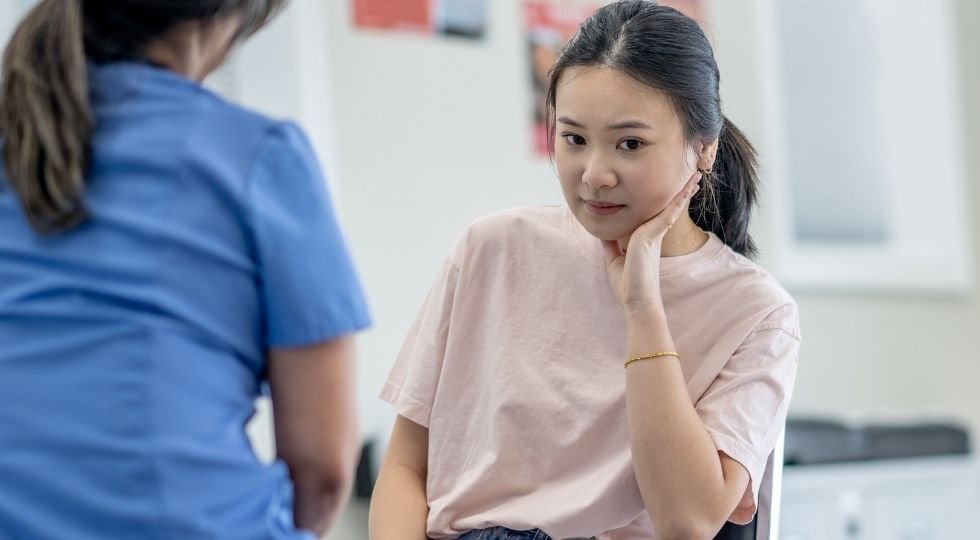
Understanding hormonal health, fertility concerns, emotional strain, and long-term well-being through an India-connected perspective
Women’s health concerns are often treated as isolated medical issues.
In reality, they are deeply connected to:
- stress,
- lifestyle,
- emotional health,
- work pressure,
- sleep,
- relationships,
- caregiving,
- and long-term physical balance.
For many NRIs and foreigners, these concerns become even more complicated while living abroad. Hormonal changes, fertility questions, exhaustion, cycle irregularities, and menopause-related symptoms are often experienced alongside:
Explore Women’s Health Beyond Wellness Trends
→ Calm guidance for long-term hormonal well-being
- immigration stress,
- emotional isolation,
- demanding careers,
- delayed family planning,
- and distance from traditional support systems.
At the same time, online wellness culture has made women’s health increasingly confusing.
People are exposed daily to:
- hormone “hacks,”
- fertility anxiety,
- supplement trends,
- conflicting medical advice,
- influencer wellness claims,
- and pressure to optimize every aspect of health.
This creates overwhelm instead of clarity.
DeshSansaar exists to help women approach long-term health decisions more calmly, thoughtfully, and realistically—especially when those decisions involve India, family, healthcare systems, and emotional complexity across countries.
Why women’s health feels different abroad
Living abroad often changes:
- routines,
- support systems,
- food habits,
- emotional stability,
- and stress levels.
Many women quietly manage:
- demanding professional lives,
- caregiving responsibilities,
- emotional labor,
- and constant productivity pressure
while neglecting their own physical recovery.
Unlike acute illnesses, hormonal and reproductive health concerns often develop slowly.
Symptoms may appear gradually through:
- cycle irregularity,
- fatigue,
- weight fluctuation,
- mood instability,
- sleep disturbance,
- hair thinning,
- skin issues,
- or emotional exhaustion.
These experiences are frequently dismissed as “normal stress” until they begin affecting daily life more seriously.
Understanding the emotional side of women’s health
Women’s health is rarely only biological.
Concerns around:
- fertility,
- hormonal changes,
- aging,
- reproductive decisions,
- and physical symptoms
often carry emotional, cultural, and social pressure as well.
For NRIs especially, these pressures may involve:
- family expectations,
- delayed marriage or parenthood,
- balancing career and caregiving,
- comparison with peers,
- or anxiety around “timelines.”
Many women feel they must remain:
- productive,
- emotionally stable,
- physically healthy,
- professionally successful,
- and family-oriented simultaneously.
This creates chronic nervous system strain that affects both emotional and physical health over time.
PCOS and hormonal imbalance
Why PCOS has become increasingly common
PCOS (Polycystic Ovary Syndrome) is one of the most commonly discussed hormonal concerns today.
Many women experience symptoms such as:
- irregular periods,
- weight fluctuation,
- fatigue,
- acne,
- hair thinning,
- increased facial hair,
- insulin resistance,
- or emotional instability.
While genetics may play a role, modern lifestyle patterns also matter significantly.
Factors often connected to hormonal imbalance include:
- chronic stress,
- poor sleep,
- sedentary routines,
- processed food,
- emotional exhaustion,
- and nervous system overload.
Many women living abroad experience long-term disruption in:
- food timing,
- work-life balance,
- rest,
- and emotional regulation.
These patterns may worsen hormonal instability over time.
The problem with PCOS wellness culture
Online discussions around PCOS often create confusion.
Women are exposed to:
- extreme diets,
- supplement overload,
- unrealistic transformation stories,
- and constant pressure to “fix” themselves quickly.
This creates guilt and anxiety when improvement is slower or inconsistent.
In reality, hormonal health usually improves through:
- sustainable routines,
- better sleep,
- stress reduction,
- balanced movement,
- realistic nutrition,
- and long-term consistency.
Not through panic-driven optimization.
Why many women explore India-based support
Some women seek India-connected healthcare support because they feel:
- rushed through consultations abroad,
- emotionally unsupported,
- or interested in more lifestyle-focused approaches.
This may include:
- nutritional guidance,
- Ayurvedic support,
- stress management,
- yoga,
- or preventive health frameworks.
However, realistic expectations remain important.
No system can instantly reverse years of accumulated stress, hormonal imbalance, and lifestyle strain.
Navigating PCOS, Fertility, or Menopause Abroad?
→ India-aware support for NRIs and foreign women
Fertility concerns and emotional pressure
Why fertility anxiety has increased globally
Fertility concerns have become emotionally intense for many women, especially those balancing:
- career growth,
- migration,
- financial stability,
- relationships,
- and delayed family planning.
Even women without diagnosed fertility issues often experience:
- anxiety around timing,
- social pressure,
- emotional comparison,
- or fear of “falling behind.”
For NRIs, fertility-related decisions may involve additional questions:
- Should treatment happen abroad or in India?
- Where will family support exist?
- Which healthcare system feels emotionally safer?
- How much pressure should come from family expectations?
These questions are not only medical. They are deeply personal.
Emotional burnout during fertility journeys
Fertility-related stress can affect:
- relationships,
- emotional stability,
- self-worth,
- mental health,
- and daily functioning.
Many women experience:
- constant monitoring,
- disappointment,
- emotional exhaustion,
- or guilt around their bodies.
Online fertility culture often increases pressure by turning deeply personal experiences into:
- statistics,
- timelines,
- comparison,
- and optimization.
People need emotional support—not just information.
India and fertility-related healthcare decisions
Some NRIs consider India for:
- fertility consultations,
- IVF,
- family support,
- affordability,
- or emotional familiarity.
India offers:
- strong medical expertise in many cities,
- experienced fertility specialists,
- and lower treatment costs compared to some countries.
At the same time, fertility treatment can become highly commercialized.
This makes careful evaluation essential.
People should feel comfortable asking:
- realistic success rates,
- treatment limitations,
- emotional implications,
- and financial transparency questions.
Menopause and midlife transitions
Why menopause is often misunderstood
Menopause is frequently treated either as:
- a medical problem to hide,
- or something women should simply “tolerate.”
In reality, menopause is a major hormonal and emotional transition that affects:
- sleep,
- energy,
- mood,
- metabolism,
- cognitive clarity,
- emotional resilience,
- and overall well-being.
Many women experience symptoms such as:
- fatigue,
- irritability,
- hot flashes,
- anxiety,
- poor sleep,
- joint discomfort,
- or emotional instability.
These changes can become more difficult when combined with:
- work pressure,
- caregiving,
- aging parents,
- teenage children,
- or emotional burnout.
Emotional invisibility during midlife
Many women feel emotionally unseen during this phase of life.
Attention often remains focused on:
- younger women,
- motherhood,
- productivity,
- or external achievement.
Meanwhile, women navigating menopause may quietly carry:
- exhaustion,
- emotional strain,
- identity shifts,
- and loneliness.
Support during this stage should involve:
- education,
- emotional understanding,
- realistic lifestyle support,
- and space for recovery.
Stress and women’s health
Long-term stress strongly affects:
- hormones,
- sleep,
- emotional balance,
- metabolism,
- digestion,
- and reproductive health.
Many women normalize:
- exhaustion,
- emotional overload,
- chronic anxiety,
- and poor recovery
because modern life rewards constant productivity.
Over time, the body reflects this strain.
In many cases, women are not “failing” at health. They are operating under unsustainable conditions for years without enough support or recovery.
Understand Hormonal Health With Greater Clarity
→ Practical insights without fear-based wellness advice
Common mistakes women make with long-term health concerns
Ignoring symptoms for too long
Women often continue functioning through:
- fatigue,
- pain,
- emotional overload,
- and hormonal disruption
without seeking support until symptoms become severe.
Constantly changing wellness approaches
Many women move rapidly between:
- diets,
- supplements,
- influencers,
- hormone trends,
- and social media advice.
This creates confusion and emotional fatigue.
Viewing health only through productivity
Health becomes fragile when self-worth depends entirely on:
- performance,
- appearance,
- weight,
- fertility,
- or external expectations.
Treating stress as secondary
Stress is often treated as an emotional issue rather than a physical health factor.
In reality, chronic stress may influence:
- hormonal regulation,
- reproductive health,
- inflammation,
- metabolism,
- and nervous system functioning.
How DeshSansaar approaches women’s health guidance
DeshSansaar focuses on:
- calm understanding,
- long-term thinking,
- and India-aware health guidance for women navigating complex realities abroad.
We recognise emotional and cultural pressure
Women’s health decisions are often shaped by:
- family expectations,
- caregiving roles,
- migration pressure,
- and cultural ideas around success, motherhood, and aging.
These realities deserve acknowledgment—not simplification.
We avoid wellness panic and exaggerated claims
The internet often treats women’s health as:
- constant optimization,
- endless supplementation,
- or emotional urgency.
DeshSansaar prioritizes:
- realism,
- sustainable health thinking,
- and thoughtful decision-making.
We connect physical and emotional well-being
Hormonal and reproductive health are influenced by:
- stress,
- sleep,
- emotional overload,
- work-life balance,
- nervous system health,
- and lifestyle patterns.
The goal is not perfection.
The goal is long-term stability and better quality of life.
We understand India-related healthcare complexity
India offers:
- strong specialists,
- traditional systems,
- affordability,
- and emotional familiarity,
but also:
- aggressive commercialization,
- inconsistent standards,
- and wellness marketing overload.
Balanced guidance matters.
Looking Into Women’s Healthcare in India?
→ Thoughtful guidance for cross-border health decisions
Areas where women commonly seek support
Hormonal balance and PCOS support
Women often explore:
- nutrition changes,
- stress reduction,
- movement routines,
- sleep correction,
- and supportive lifestyle frameworks.
Fertility and reproductive decision-making
Support may include:
- emotional guidance,
- healthcare navigation,
- lifestyle support,
- and realistic thinking around timelines and expectations.
Menopause and midlife well-being
Many women seek:
- energy recovery,
- emotional stability,
- sleep improvement,
- and sustainable support during hormonal transitions.
Lifestyle-focused health recovery
Some women benefit from:
- slower routines,
- reduced overstimulation,
- mindfulness,
- yoga,
- emotional support,
- and healthier boundaries around work and caregiving.
Questions worth asking yourself
- Am I physically exhausted, emotionally overloaded, or both?
- Have I normalized chronic stress?
- Am I making health decisions from fear or clarity?
- What expectations am I carrying from family or society?
- What support systems actually exist in my life?
- Am I seeking quick fixes instead of sustainable change?
- What does long-term well-being realistically look like for me?
These questions often reveal deeper patterns than symptom-checking alone.
Why choose DeshSansaar
Designed for NRIs and globally connected women
The platform reflects the emotional and practical realities of women balancing:
- migration,
- career,
- caregiving,
- identity,
- and long-term health across countries.
Calm, non-commercial guidance
DeshSansaar avoids:
- fear-based wellness marketing,
- miracle cure narratives,
- and constant pressure to optimize.
Balanced and evidence-aware perspective
We avoid both:
- dismissing women’s health concerns,
- and oversimplifying them into social media trends.
Nuance matters.
Focused on sustainable well-being
The goal is not temporary motivation or perfection.
The goal is:
- emotional stability,
- physical awareness,
- healthier routines,
- and realistic long-term health thinking.
Reduce Confusion Around Women’s Health Choices
→ Balanced perspectives for sustainable well-being
A final perspective
Women’s health is not only about symptoms, diagnosis, or treatment plans.
It is deeply connected to:
- emotional well-being,
- stress,
- relationships,
- identity,
- support systems,
- and the conditions under which women are expected to function every day.
For NRIs and foreigners connected to India, these realities become even more layered.
DeshSansaar exists to help women approach those decisions with greater clarity, less panic, and more thoughtful long-term perspective.
FAQs:
Factors such as chronic stress, poor sleep, emotional overload, sedentary routines, processed food, and long-term lifestyle imbalance may contribute to hormonal disruption.
Fertility is often connected not only to medical realities but also to emotional pressure, social expectations, timelines, relationships, and identity.
Yes. Long-term stress may influence:
hormonal regulation,
sleep,
metabolism,
emotional stability,
reproductive health,
and nervous system balance.
People may seek:
affordability,
specialist access,
family support,
lifestyle-focused approaches,
or emotional familiarity during treatment decisions.
DeshSansaar provides calm, India-aware women’s health guidance without wellness hype, fear-driven marketing, or oversimplified solutions.