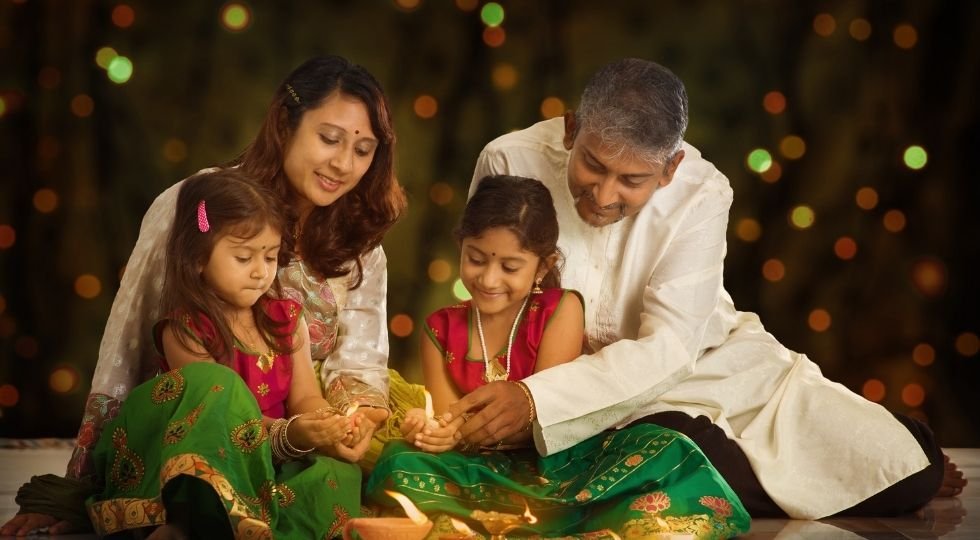
Understanding emotional connection, family identity, heritage, and belonging for NRI families
For many NRI parents, one of the most emotional moments happens unexpectedly.
A child may:
- struggle to speak with grandparents,
- avoid speaking their family language,
- feel disconnected during India visits,
- or ask questions such as:
- “Why do we do this?”
- “Am I really Indian?”
- “Why is our family different?”
Worried About Children Losing Cultural Connection?
→ Talk through identity and belonging challenges
These moments often trigger deeper fears in parents:
- Are my children slowly losing connection with their roots?
- Will future generations remain emotionally connected to India?
- Will family bonds weaken over time?
- Are we raising children who feel culturally confused?
For children growing up abroad, language and roots are not only about tradition.
They shape:
- emotional belonging,
- family connection,
- identity,
- confidence,
- and intergenerational relationships.
At the same time, children raised internationally are navigating multiple worlds simultaneously:
- home culture,
- school culture,
- peer culture,
- and digital culture.
This creates both opportunity and emotional complexity.
DeshSansaar exists to help families approach language, roots, and cultural continuity with greater emotional understanding, balance, and long-term perspective.
Why language matters emotionally
Language is not only communication.
It carries:
- emotional tone,
- humor,
- family intimacy,
- memory,
- storytelling,
- affection,
- and cultural emotion.
Children who understand family languages often experience:
- deeper emotional connection with grandparents,
- stronger participation in family life,
- and greater cultural familiarity.
When language disconnect grows, emotional distance may slowly increase too.
Conversations become:
- limited,
- simplified,
- or emotionally less natural.
Grandparents may feel:
- emotionally separated,
- misunderstood,
- or unable to express themselves fully.
Children may feel:
- awkward,
- disconnected,
- or uncomfortable in family environments.
This emotional gap affects both generations.
Why many NRI parents fear language loss
Many parents abroad worry that:
- English or local languages dominate daily life,
- children resist speaking Indian languages,
- or future generations will lose emotional connection with family culture completely.
Some parents fear:
- “My child understands grandparents but cannot respond.”
- “They feel embarrassed speaking our language.”
- “They know India only superficially.”
- “Family traditions may disappear after one generation.”
These fears are usually emotional rather than political.
Parents often associate language with:
- continuity,
- memory,
- family closeness,
- and identity.
Why children resist family languages sometimes
Children growing up abroad often prioritize:
- social belonging,
- peer acceptance,
- and fitting into local environments.
If family languages feel:
- difficult,
- socially isolating,
- or emotionally forced,
children may resist using them.
Some children fear:
- sounding different,
- being judged socially,
- or struggling publicly with pronunciation or fluency.
Others simply default to the language used most frequently in:
- school,
- media,
- friendships,
- and digital life.
This does not necessarily mean rejection of roots.
It often reflects practical and emotional realities of growing up internationally.
The emotional importance of roots
Roots provide children with:
- continuity,
- belonging,
- emotional grounding,
- and family identity.
Knowing family stories, cultural history, and emotional traditions helps children understand:
- where they come from,
- who their people are,
- and how family identity evolved across generations.
Roots become especially important during:
- adolescence,
- identity struggles,
- emotional insecurity,
- or experiences of cultural difference.
Children who feel emotionally connected to their roots often develop:
- stronger self-understanding,
- resilience,
- and emotional confidence across cultures.
The difference between connection and pressure
One of the biggest mistakes families make is trying to preserve roots through:
- guilt,
- fear,
- comparison,
- or rigid control.
Children usually connect more deeply through:
- emotional warmth,
- stories,
- relationships,
- shared experiences,
- music,
- food,
- humor,
- and meaningful family interaction.
When culture becomes associated mainly with:
- criticism,
- obligation,
- or pressure,
children may emotionally withdraw from it.
Lasting cultural connection grows through:
- positive emotional experience—not fear.
Why grandparents play a powerful role
Grandparents often represent:
- memory,
- continuity,
- emotional warmth,
- and living cultural history.
For many children abroad, grandparents become the strongest emotional bridge to roots.
However, when:
- language barriers,
- distance,
- or infrequent contact increase,
relationships may weaken emotionally over time.
Grandparents may feel:
- disconnected,
- emotionally distant,
- or unable to fully bond with grandchildren.
Children may:
- struggle with communication,
- feel awkward during visits,
- or emotionally disconnect unintentionally.
Building stronger intergenerational communication matters deeply.
Why India visits affect identity differently
Many parents hope India visits will naturally strengthen roots.
Sometimes they do.
Children may enjoy:
- cousins,
- festivals,
- food,
- traditions,
- and emotional family warmth.
Other times, children may feel:
- overwhelmed,
- overstimulated,
- emotionally unfamiliar,
- or socially disconnected.
Children raised abroad often experience:
- different privacy expectations,
- social norms,
- climate discomfort,
- language insecurity,
- or cultural overload during visits.
This does not mean they reject India emotionally.
Connection develops gradually through emotionally safe experiences.
Need Guidance for Raising Global Indian Children?
→ Consult for balanced multicultural parenting support
Social identity and belonging abroad
Children growing up internationally often experience questions around:
- ethnicity,
- religion,
- appearance,
- accents,
- or family background.
Some children may feel:
- “too Indian” socially in one environment,
- and “not Indian enough” during India visits.
This in-between identity may create:
- confusion,
- emotional insecurity,
- or pressure to “choose” one identity.
Healthy identity development allows children to:
- integrate multiple identities without shame.
Why comparison damages confidence
Some families compare children with:
- cousins in India,
- “more traditional” families,
- or idealized cultural expectations.
Statements like:
- “Indian children don’t behave like this,”
- “You are forgetting your roots,”
- or “You are becoming too Western”
often create:
- shame,
- defensiveness,
- and emotional resistance.
Children need:
- understanding,
- patience,
- and emotional safety while exploring identity.
Language learning and emotional environment
Children learn family languages more naturally when:
- communication feels emotionally rewarding,
- mistakes are accepted calmly,
- and language connects to relationships rather than punishment.
Harsh correction often creates:
- embarrassment,
- anxiety,
- or emotional resistance.
Children respond better when language becomes:
- playful,
- emotionally meaningful,
- and part of ordinary life.
Why storytelling matters
Stories connect children emotionally to roots more deeply than lectures.
Family stories help children understand:
- migration journeys,
- grandparents’ lives,
- cultural struggles,
- family values,
- and emotional history.
Stories create:
- belonging,
- continuity,
- emotional memory,
- and cultural intimacy.
Children remember emotional experiences more than rigid instruction.
Digital culture and weakening roots
Modern children grow up immersed in:
- global media,
- online entertainment,
- social media,
- and digital communities.
These influences often shape identity strongly.
Parents may feel:
- emotionally disconnected from what children consume,
- or worried that traditional culture cannot compete digitally.
Trying to control all outside influence is unrealistic.
Building emotional trust and meaningful family connection matters far more long-term.
The importance of allowing hybrid identity
Children raised abroad often develop:
- blended identities,
- multicultural thinking,
- and emotional flexibility.
This is not automatically a loss.
Healthy cultural identity does not require:
- rejecting the country they live in,
- or becoming culturally identical to previous generations.
Children benefit when families allow:
- openness,
- curiosity,
- flexibility,
- and emotional integration between cultures.
Emotional tension between generations
Many NRI families experience tension around:
- language,
- independence,
- values,
- dating,
- religion,
- or emotional expression.
Parents may fear:
- cultural loss,
- weakening family loyalty,
- or disconnection from roots.
Children may feel:
- misunderstood,
- emotionally pressured,
- or judged for adapting to their environment.
Most of these tensions come from:
- fear,
- love,
- and uncertainty—not lack of care.
Common mistakes families make
Using guilt to preserve roots
Fear-based comments often increase emotional distance instead of cultural closeness.
Treating language only academically
Children connect more deeply when language becomes:
- relational,
- emotional,
- and part of lived experience.
Expecting children to experience India exactly as parents did
Children abroad grow up in different emotional and social realities.
Expectations should reflect this difference compassionately.
Ignoring children’s identity struggles
Children navigating multiple cultures may experience:
- confusion,
- social pressure,
- belonging struggles,
- and emotional complexity.
These realities deserve empathy.
How DeshSansaar approaches language and roots guidance
DeshSansaar focuses on:
- emotionally healthy cultural connection,
- balanced parenting perspectives,
- and long-term family continuity for global Indian families.
We avoid fear-based cultural messaging
Roots should not be preserved through:
- shame,
- panic,
- guilt,
- or rigid control.
We recognise multicultural identity complexity
Children abroad navigate:
- multiple emotional worlds simultaneously.
This complexity deserves understanding.
We prioritise emotional connection over performance
Lasting cultural continuity usually grows through:
- relationships,
- warmth,
- family stories,
- emotional belonging,
- and positive experiences.
We support healthier family relationships
The goal is not creating culturally “perfect” children.
The goal is:
- emotionally secure,
- culturally grounded,
- and psychologically balanced young people.
Strengthen Family, Language & Cultural Bonds
→ Personal consultation for parents abroad
Areas where families commonly seek support
Family language connection
Parents often seek guidance around:
- bilingual upbringing,
- communication with grandparents,
- and language confidence.
Cultural identity and belonging
Children may need support navigating:
- multicultural identity,
- emotional belonging,
- and social pressure abroad.
Parent-child communication
Families often struggle with:
- expectations,
- cultural tension,
- generational differences,
- and emotional misunderstanding.
India connection and emotional roots
Many families seek healthier ways to maintain:
- emotional continuity,
- cultural familiarity,
- and meaningful connection with India.
Questions worth asking yourself
- Is culture being shared through connection or pressure?
- Does my child emotionally feel safe discussing identity?
- What positive experiences connect them to roots?
- Am I comparing instead of understanding?
- How can language become emotionally meaningful?
- What matters more long-term: obedience or relationship?
- How can roots feel alive rather than forced?
These questions often create healthier family understanding.
Why choose DeshSansaar
Designed for global Indian families
The platform understands:
- multicultural parenting,
- language loss fears,
- generational tension,
- and emotional concerns around roots and identity.
Calm, balanced guidance
DeshSansaar avoids:
- fear-driven cultural messaging,
- emotional guilt,
- and rigid identity expectations.
Emotionally grounded perspective
Language and roots are approached as:
- emotional,
- relational,
- and human experiences—not ideological performance.
Focused on long-term family connection
The goal is not perfection.
The goal is:
- emotionally secure children,
- healthier family relationships,
- and lasting cultural connection across generations.
Confused About Identity & Culture Challenges?
→ Schedule a thoughtful family guidance consultation
A final perspective
Children growing up abroad do not need to become exact copies of previous generations to remain connected to their roots.
Language and cultural identity grow most naturally through:
- emotional warmth,
- storytelling,
- shared memories,
- relationships,
- curiosity,
- and belonging.
Families across countries and generations are navigating enormous cultural change simultaneously.
This process requires:
- patience,
- flexibility,
- emotional understanding,
- and compassion for both parents and children.
DeshSansaar exists to help families approach these realities with greater balance, clarity, and emotional connection.
FAQs:
Language strengthens:
emotional connection,
family communication,
cultural familiarity,
confidence,
and intergenerational relationships.
Parents often fear:
emotional disconnect,
weakening family bonds,
language loss,
and children feeling disconnected from Indian identity.
Children may prioritize:
social belonging,
peer acceptance,
and the language used most often in school and daily life abroad.
Yes. Healthy multicultural identity allows children to remain emotionally connected to roots while adapting confidently to life abroad.
DeshSansaar provides calm, emotionally grounded guidance around bilingual upbringing, cultural identity, family connection, and raising globally balanced children.