Kids, Culture & Identity Support for Families Living Abroad
Raising children abroad comes with emotional and cultural challenges that many families quietly struggle with. Parents often worry about cultural disconnect, language loss, identity confusion, emotional distance, and balancing traditional values with modern global life.
Our guidance helps families raise emotionally grounded children without fear-based parenting, guilt, or unrealistic expectations. Instead of forcing culture through pressure, we focus on healthy connection, confident identity, emotional security, and practical family communication.
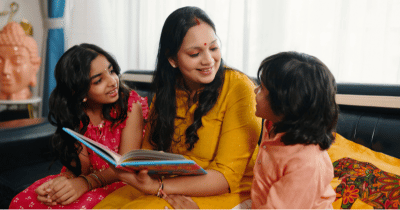
Helping Children Stay Connected to Their Cultural Roots
Children growing up abroad are influenced by multiple cultures every day. School environments, social media, friendships, and modern lifestyles can sometimes create emotional distance from family traditions and heritage.
We help parents create a balanced home environment where children can:
- Feel proud of their background
- Build confidence in dual identity
- Stay emotionally connected to family values
- Respect traditions without feeling controlled
- Adapt globally without losing cultural grounding
Our approach supports healthy identity development instead of fear-based cultural preservation.
Parent Guidance for Cultural Identity Challenges
Many parents experience stress when children:
- Avoid speaking their native language
- Feel embarrassed about traditions
- Prefer outside cultural influences
- Question family customs or beliefs
- Struggle with belonging in two cultures
These experiences are common in immigrant and international families. Our support focuses on understanding children’s emotional experiences while helping parents respond with empathy, communication, and practical strategies.
Building Emotionally Secure Family Relationships Abroad
Strong cultural identity begins with emotional safety at home. Children connect more deeply with family values when relationships feel supportive instead of judgmental.
We guide families in creating:
- Open communication between parents and children
- Healthy emotional boundaries
- Respectful cultural conversations
- Positive family traditions
- Strong intergenerational relationships
- Balanced parenting approaches abroad
This creates long-term emotional connection rather than short-term obedience.
Heritage Language and Cultural Connection Support
Language plays a major role in preserving emotional and cultural bonds within families. However, many children raised abroad resist speaking their mother tongue because of social pressure, fear of mistakes, or lack of confidence.
Our guidance helps parents:
- Encourage bilingual communication naturally
- Build positive emotional connection with language
- Reduce pressure and criticism
- Create comfortable learning environments
- Strengthen communication with grandparents and relatives
The goal is not perfection but meaningful connection.
Support for Bicultural and Multicultural Families
Children raised between cultures often experience confusion about where they belong. They may feel disconnected both from their parents’ home country and the country where they currently live.
We help families support children through:
- Identity development challenges
- Cultural adjustment stress
- Peer pressure and social belonging
- Emotional confidence building
- Self-esteem and cultural pride
- Modern multicultural parenting concerns
Children do not need to choose one identity over another. They can develop confidence in multiple cultural experiences simultaneously.
Healthy Parenting Without Fear or Guilt
Fear-based parenting often creates emotional resistance. Constant warnings about “losing culture” can make children feel pressured instead of connected.
Our family guidance focuses on:
- Positive cultural exposure
- Healthy communication
- Practical parenting strategies
- Emotional understanding
- Respectful discipline
- Strong family bonding
Culture becomes stronger when children experience it through warmth, trust, relationships, and everyday family life.
Family Culture, Traditions, and Modern Life Balance
Modern families abroad often struggle to balance traditional expectations with contemporary lifestyles. We help parents preserve meaningful values while adapting to changing social realities.
This includes guidance on:
- Festivals and family rituals
- Cultural adaptation
- Family values in modern environments
- Respectful parenting practices
- Intergenerational communication
- Raising grounded children in global societies
Healthy cultural connection should feel natural, supportive, and emotionally meaningful.
Why Families Seek Cultural Identity Support
Families often seek guidance when they notice:
- Emotional distance between generations
- Children rejecting traditions
- Language barriers within the home
- Parenting conflicts related to culture
- Identity confusion in teenagers
- Difficulty balancing cultures abroad
Early support helps families build stronger relationships and healthier communication patterns before conflicts become emotionally damaging.
Thoughtful Guidance for Raising Grounded Children Abroad
Every family’s cultural journey is different. There is no perfect formula for raising children between cultures. However, children thrive when they feel emotionally secure, respected, heard, and connected to both family and identity.
Our approach supports families in building:
- Strong emotional foundations
- Healthy cultural confidence
- Open parent-child communication
- Flexible but meaningful traditions
- Long-term family connection
Grounded children are not created through pressure. They are raised through trust, understanding, consistency, and emotional belonging.
Final Thoughts
Raising children abroad is not about perfectly preserving every tradition or protecting children from every outside influence. It is about helping them grow into emotionally secure, culturally confident, and grounded individuals who can navigate multiple worlds with clarity and self-respect.
Children do not need fear, guilt, or constant reminders about losing their roots. They need connection, understanding, healthy communication, and a family environment where culture feels meaningful rather than forced.
When parents focus on emotional safety, shared experiences, consistent values, and open conversations, children are more likely to stay connected to their heritage naturally. Culture becomes stronger when it is lived with warmth, flexibility, and authenticity.
Every family’s journey abroad will look different. However, strong relationships, empathy, and thoughtful parenting can help children build a healthy sense of identity without feeling divided between cultures.
FAQs:
Parents can create everyday cultural experiences through language, food, family traditions, storytelling, festivals, and open conversations. Children connect more deeply when culture feels natural and emotionally positive.
Children may distance themselves from culture because of peer pressure, fear of being different, language insecurity, or emotional pressure at home. This is often part of identity development rather than permanent rejection.
Yes. Many children growing up between cultures experience identity confusion at different stages. With emotional support and healthy communication, they can develop confidence in both cultural experiences.
Families can encourage heritage language naturally through daily conversations, stories, music, movies, and positive interactions with relatives. Avoiding criticism and pressure helps children feel more comfortable.
Common signs include avoiding cultural events, refusing to speak the native language, embarrassment about traditions, emotional withdrawal from family customs, or confusion about belonging.