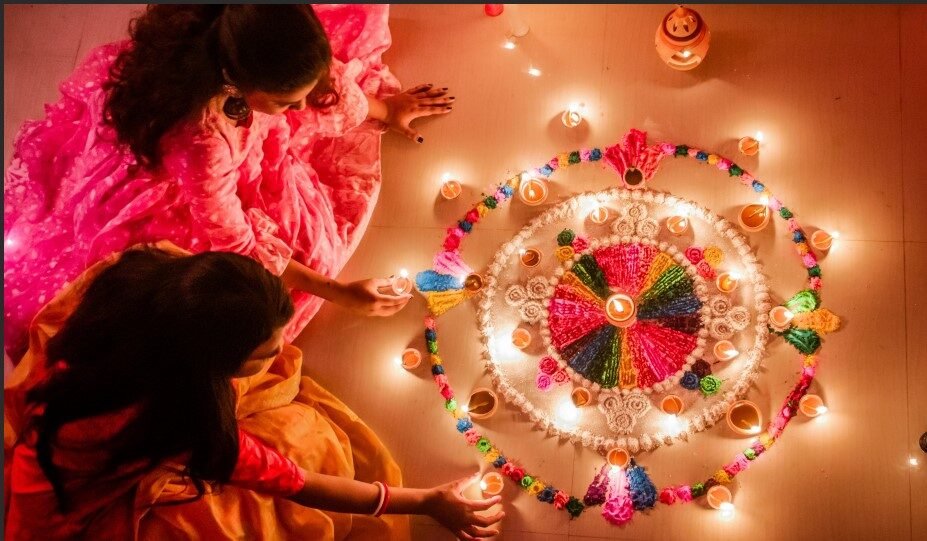
There’s a particular moment that catches almost every NRI off guard at some point: scrolling through photos of a family Diwali celebration back home while sitting at a work desk on an ordinary Tuesday, the diya-lit courtyard and the sound of firecrackers reduced to a few seconds of shaky video on a phone screen. Celebrating Indian festivals abroad is possible, and often genuinely joyful, but it rarely feels quite like the version that lives in memory.
This isn’t a complaint about assimilation or a suggestion that festivals abroad don’t count. It’s simply an honest look at why these days feel different once the address changes, and how so many NRI families have found ways to make peace with, and even love, the version of celebration that distance creates.
Why Festivals Hit Differently When You’re Away
Festivals at home were never really about the specific rituals alone. They were about the entire sensory world around them: the smell of a particular sweet only made once a year, the sound of a whole neighbourhood lighting fireworks at roughly the same time, school and work simply pausing because everyone recognised the day mattered. Abroad, that shared recognition disappears. Diwali might fall on a random Wednesday with a full workload, and Holi might arrive during exactly the kind of grey, cold weather that makes throwing coloured water outside feel more absurd than joyful.
This is the real source of the ache. It’s not that the festival itself changed. It’s that the entire surrounding world used to celebrate alongside you without needing to be asked, and now it doesn’t.
We’re collecting real NRI festival stories — yours could help someone else feel less alone. Share Your Festival Story →
Missing Diwali Abroad: The Specific Kind of Homesickness
Diwali carries a particular weight for many NRIs, more than most other festivals, because of how deeply it’s tied to home, family gathering, and a specific multi-sensory experience that’s hard to replicate in an apartment thousands of miles away. Lighting a few diyas on a balcony instead of an entire house, cooking one traditional dish instead of the full spread a mother or grandmother would prepare, video calling during the exact puja muhurat while everyone else in the room is physically present together, these compressed versions can bring a very specific kind of loneliness even in a room full of other people. This experience of missing Diwali abroad is worth naming directly rather than glossing over.
It’s worth naming this directly rather than pretending it doesn’t happen: many NRIs feel a genuine dip in mood around major festivals, even years into living abroad, even when they’ve built a full and happy life elsewhere. This isn’t a sign that the new life isn’t working. It’s simply what happens when a deeply embedded cultural rhythm collides with a calendar that doesn’t recognise it.
Preparing for a Festival Before It Arrives
Part of what makes festivals feel effortless in India is the surrounding infrastructure: markets stocked with festival-specific goods weeks in advance, sweet shops with queues out the door, tailors finishing festive outfits on schedule. Abroad, that infrastructure has to be deliberately built by each family, which means preparation matters more, not less.
Ordering festival sweets or ingredients from a local Indian grocery store well ahead of time, rather than a last-minute scramble, avoids the disappointment of finding empty shelves right when everyone else in the local Indian community had the same idea. Many NRIs also use the weeks before a major festival to place orders for new clothes, decorative items, or even small skincare and beauty rituals traditionally associated with looking and feeling festive, treating the preparation itself as part of building anticipation rather than an afterthought.
Bringing Extended Family Into the Celebration Remotely
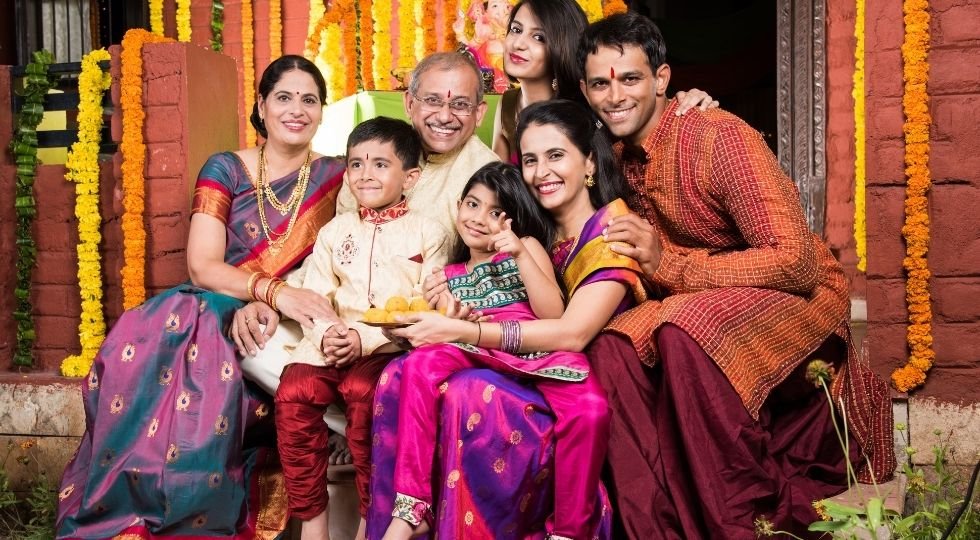
Grandparents and extended family back home often want to feel included in a celebration happening thousands of miles away, not just informed about it after the fact. A video call where a grandmother watches a grandchild light the first diya, or where an entire meal is eaten “together” over a screen, however imperfect the audio and video quality, tends to matter enormously more than a summary phone call the next day. Some families extend this further, having relatives in India prepare and eat the same specific dish at the same time, turning a shared meal into a genuine, if virtual, act of togetherness rather than two separate, disconnected celebrations.
Have your own story about celebrating a festival far from home? We’d love to hear it. Share Your Festival Story →
Building New Indian Festival Traditions Overseas
Most NRI communities eventually build something new rather than trying to recreate the old exactly. Local Indian associations, temple communities, and informal friend groups organise Diwali dinners, Holi gatherings in parks or community centres, and Navratri garba nights that, while different from a hometown celebration, create their own kind of belonging over time.
These gatherings tend to matter more than they might initially seem to. A room full of people who understand exactly why a specific ritual matters, without needing it explained, offers something a solo celebration or even a warm family video call can’t fully replace. Many NRIs describe these community celebrations as eventually becoming their own kind of chosen-family tradition, distinct from but genuinely meaningful alongside memories of celebrating in India.
The Specific Challenges Different Festivals Bring Abroad
Each major festival carries its own particular friction when celebrated far from India.
Diwali often falls on an ordinary working day, with no shared recognition at the office and, in many countries, legal restrictions on fireworks that make the visual, celebratory core of the festival hard to recreate.
Holi frequently lands during cold, wet, or simply unsuitable weather in the northern hemisphere, turning what’s meant to be an outdoor, joyful mess into something that has to be carefully planned around climate rather than simply happening naturally.
Navratri and Garba require an actual community with the specific dance tradition and music, which isn’t available everywhere, leaving some NRIs searching harder for a genuine celebration than the festival itself would suggest should be necessary.
Eid carries its own layer of complexity around finding a local mosque community and navigating workplace understanding of prayer timing and the significance of the day.
What Kids Experience Differently
Children growing up abroad often experience festivals as something explained rather than simply absorbed. A child might need to explain Diwali to school friends, sometimes met with genuine curiosity and sometimes with polite indifference, in a way that a child growing up in India would never need to do. This “show and tell” version of culture, where a festival becomes something performed or explained for an outside audience rather than simply lived, shapes a child’s relationship with these Indian festival traditions overseas differently than it shaped their parents’ own childhood memories.
This isn’t automatically a loss. Many second-generation NRIs describe growing up with a more consciously chosen relationship to festivals precisely because they had to actively explain and defend their significance, rather than absorbing them passively. Still, it’s worth parents being aware of this dynamic and finding ways to make festivals feel celebrated rather than merely explained.
Small Rituals That Make Festivals Feel Real Even When Compressed
Full-scale recreation of a hometown celebration usually isn’t realistic on a Tuesday with work the next morning, but a handful of small, consistent rituals go a long way toward making a festival feel genuinely marked rather than skipped.
- Lighting even a single diya rather than skipping the visual ritual entirely.
- Cooking one dish tied specifically to the occasion rather than attempting a full traditional spread.
- Dressing in festive clothing even for a quiet evening at home.
- Scheduling a video call specifically during the festival’s key ritual moment, rather than at a random convenient time.
All of these signal to both yourself and any children in the house that the day matters, even in a scaled-down form.
The Unexpected Upside: Festivals That Feel More Intentional Abroad
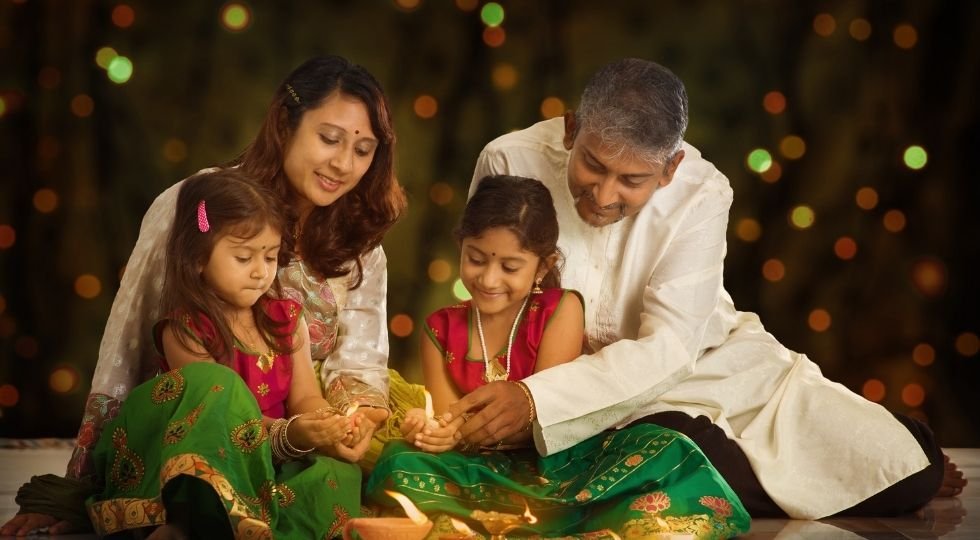
There’s a genuine, if unexpected, upside many NRIs eventually discover. In India, festivals sometimes happen almost automatically, carried along by the entire surrounding culture without requiring much individual intention. Abroad, celebrating requires actual choice and effort, which paradoxically makes some people feel more consciously connected to the meaning behind the ritual, not less. Choosing to light a diya on a busy Tuesday, specifically because it matters to you, carries a different kind of weight than doing so simply because everyone else on the street is doing it too.
Tell us how your family keeps festival traditions alive from a distance. Share Your Festival Story →
When the Ache Doesn’t Go Away
Some years, despite every effort at building new traditions and community, the homesickness around a major festival simply doesn’t lift, and that’s a normal, common experience rather than a sign that something is wrong. Giving yourself permission to feel genuinely sad around a specific festival, even after years abroad, without treating it as an emotional failure, tends to be more sustainable long-term than forcing relentless positivity about a genuinely difficult gap.
Conclusion
Celebrating Indian festivals abroad is rarely identical to the version carried in memory, and pretending otherwise usually leads to more disappointment than acceptance does. The ache of a compressed Diwali or a solitary Holi is real, and so is the genuine warmth that comes from small, intentional rituals and the community many NRIs eventually build around them. Both things can be true at once: festivals abroad are different, and they can still be meaningful, sometimes in ways that surprise you.
FAQs:
Yes, this is an extremely common experience, even for NRIs who are otherwise settled and happy abroad.
Small, consistent personal rituals, like lighting a diya and cooking one dish, help more than trying to recreate everything.
Not necessarily; many grow a more intentional relationship with festivals precisely because they had to explain them.
Schedule the call during the actual ritual moment rather than a generic convenient time for stronger connection.
Not necessarily; many NRIs find building new, adapted traditions more sustainable than exact recreation.