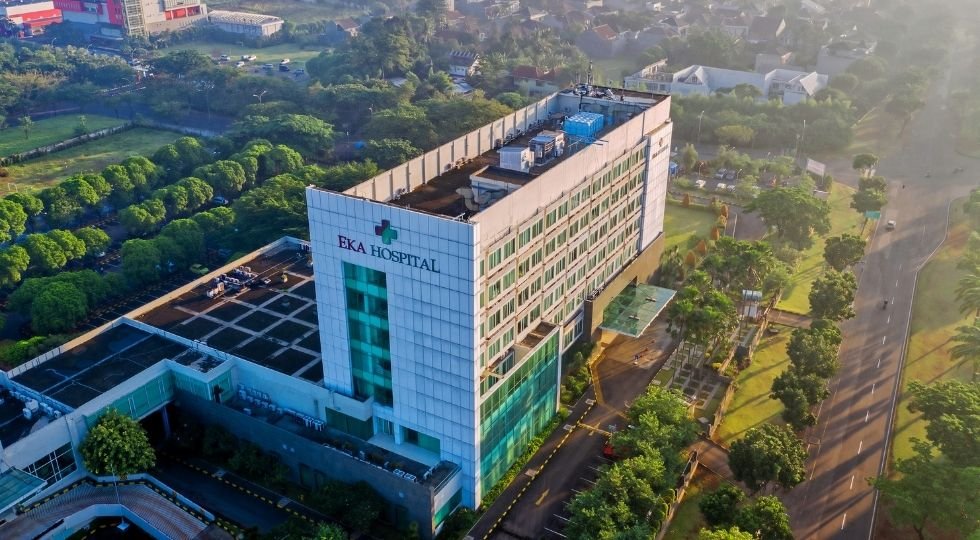
Understanding healthcare, decision-making, medical systems, and practical realities for NRIs and foreigners
India is one of the few countries where people can simultaneously find:
- advanced hospitals,
- highly experienced specialists,
- traditional healing systems,
- affordable treatment options,
- luxury wellness centres,
- and deeply inconsistent healthcare experiences.
For NRIs and foreigners, this creates both opportunity and confusion.
Many people look toward India for:
- medical treatment,
- second opinions,
- surgery,
- Ayurveda,
- fertility support,
- recovery care,
- mental wellness,
- chronic illness management,
- or preventive health programs.
Understand Treatment in India More Clearly
→ Calm guidance for NRIs and foreigners
Some are motivated by:
- affordability,
- family support,
- emotional familiarity,
- or dissatisfaction with healthcare systems abroad.
Others turn to India because treatment timelines, insurance systems, or specialist access in their resident country feel slow, expensive, or emotionally disconnected.
At the same time, India’s healthcare environment can feel overwhelming without local understanding.
People often struggle with questions such as:
- How do I know which hospitals are reliable?
- How different is treatment culture in India?
- What role do families play in medical decisions?
- How should I approach private healthcare?
- What risks should foreigners understand?
- How do I avoid confusion and unnecessary spending?
DeshSansaar exists to help people understand these realities more clearly—without fear, exaggeration, or unrealistic promises.
Why people come to India for treatment
India has become an important destination for both medical care and wellness-related treatment because of several factors:
- specialist availability,
- lower treatment costs,
- large healthcare infrastructure,
- shorter waiting times in some areas,
- and access to both modern and traditional systems.
For many NRIs, India also offers something emotionally significant:
- familiarity,
- language comfort,
- family involvement,
- and psychological grounding during vulnerable periods.
Healthcare decisions become easier for some people when they feel emotionally supported rather than isolated.
The difference between healthcare abroad and healthcare in India
One of the biggest adjustments for foreigners and NRIs is understanding that healthcare culture in India often operates differently.
Abroad: system-driven healthcare
In many Western countries:
- systems are highly regulated,
- processes are standardized,
- appointments are structured,
- and insurance frameworks strongly shape treatment access.
This creates predictability but may also feel:
- slow,
- bureaucratic,
- expensive,
- or emotionally impersonal.
India: relationship-driven healthcare
In India, healthcare often feels:
- faster,
- more flexible,
- more personal,
- but also more variable.
People frequently rely on:
- recommendations,
- social trust,
- family networks,
- and reputation-based decision-making.
This flexibility can be helpful—but also confusing without guidance.
Understanding private healthcare in India
Most NRIs and foreigners seeking treatment in India interact primarily with the private healthcare system.
Private hospitals in India range from:
- internationally respected institutions,
- to highly commercialized facilities with inconsistent standards.
Quality varies significantly between:
- cities,
- hospitals,
- departments,
- and practitioners.
This means brand recognition alone should not determine decisions.
People often assume:
- expensive automatically means excellent,
- or large hospitals guarantee consistency.
Neither assumption is always true.
The role of family in medical decision-making
One major cultural difference in India is the involvement of family.
In many Indian healthcare settings:
- family members participate actively,
- accompany patients,
- speak with doctors,
- and help coordinate decisions.
For NRIs returning for treatment, this can feel:
- comforting,
- overwhelming,
- supportive,
- or emotionally complicated depending on family dynamics.
Some people appreciate collective involvement.
Others struggle with:
- pressure,
- conflicting opinions,
- emotional interference,
- or loss of privacy.
Understanding these dynamics in advance reduces stress.
Why treatment in India can feel emotionally intense
Medical care in India often involves more emotional interaction than some people expect.
This may include:
- multiple family opinions,
- direct communication,
- strong recommendations,
- emotional urgency,
- or pressure to make quick decisions.
People who are already anxious or vulnerable may feel overwhelmed by:
- too much information,
- contradictory advice,
- aggressive marketing,
- or emotional persuasion.
Remaining calm and structured is extremely important.
The rise of wellness and medical tourism
India’s global reputation now includes both:
- advanced medical treatment,
- and wellness-based healing industries.
This includes:
- Ayurveda,
- detox retreats,
- yoga recovery programs,
- stress management centres,
- fertility tourism,
- cosmetic procedures,
- and preventive health packages.
Some programs are thoughtful and professionally managed.
Others are heavily commercialized.
This creates a major challenge:
distinguishing genuine care from wellness marketing.
Understanding treatment pathways in India
People often assume healthcare in India follows a single system.
In reality, several systems coexist:
- modern medicine,
- Ayurveda,
- homeopathy,
- naturopathy,
- yoga therapy,
- and integrative approaches.
Some people use:
- one system exclusively,
- while others combine approaches depending on the issue.
The important thing is understanding:
- what each system is designed to address,
- where evidence exists,
- and where caution is necessary.
Confused About Healthcare Options in India?
→ Talk through treatment decisions thoughtfully
Why second opinions are common in India
Seeking multiple medical opinions is culturally common in India.
People frequently consult:
- different specialists,
- family-recommended doctors,
- and multiple hospitals before deciding.
This can sometimes help patients feel informed.
However, excessive consultation may also create:
- confusion,
- contradictory recommendations,
- anxiety,
- and decision paralysis.
At some point, clarity becomes more important than collecting endless opinions.
Challenges NRIs and foreigners commonly face
Information overload
People often receive advice from:
- relatives,
- WhatsApp groups,
- social media,
- hospital marketing,
- and online reviews simultaneously.
Too much input increases confusion.
Emotional pressure from family
Family members may strongly recommend:
- specific doctors,
- traditional systems,
- local clinics,
- or urgent decisions.
Not all recommendations are objective.
Difficulty evaluating quality remotely
It can be hard to assess:
- practitioner credibility,
- hospital standards,
- hygiene,
- transparency,
- or ethical practices from abroad.
Commercialization
Some healthcare and wellness providers aggressively market:
- fear,
- urgency,
- miracle recovery,
- or unnecessary packages.
Vulnerability increases susceptibility to pressure-based selling.
Understanding costs and affordability
India is often viewed as affordable compared to Western healthcare systems.
In many cases, treatment costs are significantly lower.
However:
- affordability varies widely,
- private healthcare can still become expensive,
- and unnecessary investigations or packages may increase costs quickly.
People should always seek:
- transparency,
- written estimates,
- and clarity around treatment plans.
The importance of realistic expectations
One of the biggest problems in healthcare today is unrealistic expectation-building.
Some people expect:
- immediate recovery,
- guaranteed outcomes,
- or complete reversal of long-standing conditions.
No healthcare system can eliminate uncertainty entirely.
Responsible medical guidance includes:
- discussing risks,
- limitations,
- recovery timelines,
- and possible complications honestly.
Planning Medical Care From Abroad?
→ Consult for India-focused healthcare guidance
Understanding traditional systems like Ayurveda
Many foreigners and NRIs explore India specifically for Ayurveda and lifestyle-based healing.
Some people report meaningful improvement through:
- stress reduction,
- routine correction,
- sleep regulation,
- and supportive therapies.
At the same time:
- Ayurveda is not a universal solution,
- quality varies enormously,
- and exaggerated marketing is common.
People should distinguish between:
- thoughtful therapeutic care,
- and commercial wellness packaging.
Mental and emotional factors during treatment
People often underestimate how emotionally vulnerable they become during illness or recovery.
During treatment periods, individuals may experience:
- fear,
- confusion,
- dependency,
- emotional exhaustion,
- and information overload.
This is why:
- calm environments,
- clear communication,
- emotional support,
- and realistic expectations
matter as much as technical treatment quality.
Why decision-making becomes difficult during health crises
Health-related stress affects judgment.
People under pressure often:
- over-research,
- panic,
- become highly suggestible,
- or seek certainty where none exists.
This makes it easier for:
- aggressive marketing,
- family pressure,
- or emotional persuasion
to influence decisions.
Good healthcare decisions usually improve when:
- urgency decreases,
- information becomes structured,
- and emotional panic reduces.
Common mistakes people make while seeking treatment in India
Choosing based only on popularity
Famous hospitals or social media visibility do not automatically guarantee the best experience for every individual situation.
Rushing decisions during emotional stress
People sometimes commit quickly because of:
- fear,
- desperation,
- or emotional pressure from family or marketing.
Ignoring long-term recovery realities
Treatment is not only about procedures.
Recovery may involve:
- sleep,
- emotional support,
- follow-up care,
- routine changes,
- and realistic expectations.
Over-romanticizing “natural healing”
Traditional systems may support some people meaningfully, but they should not replace necessary emergency or evidence-based medical care when required.
How DeshSansaar approaches healthcare guidance
DeshSansaar exists to help NRIs and foreigners approach India-connected healthcare decisions with greater clarity and realism.
We explain healthcare culture—not just treatment
Understanding India’s:
- emotional dynamics,
- family involvement,
- healthcare variability,
- and decision-making culture
is often as important as understanding medical systems themselves.
We avoid fear-based marketing
Healthcare decisions should not be driven primarily by:
- panic,
- guilt,
- exaggerated hope,
- or urgency-based selling.
We recognise emotional vulnerability
People exploring treatment are often:
- exhausted,
- anxious,
- emotionally overwhelmed,
- or seeking certainty.
Clear thinking becomes more difficult during vulnerability.
We prioritise calm, long-term thinking
Good decisions usually involve:
- realistic expectations,
- thoughtful evaluation,
- and reduced emotional overload.
Areas where people commonly seek support in India
Chronic health management
People often explore:
- long-term recovery,
- lifestyle correction,
- digestive health,
- stress-related conditions,
- and fatigue management.
Fertility and reproductive healthcare
India is a major destination for:
- fertility consultations,
- IVF,
- specialist care,
- and family-supported treatment pathways.
Ayurveda and wellness recovery
Some individuals seek:
- stress reduction,
- routine stabilization,
- emotional recovery,
- and preventive wellness approaches.
Mental health and emotional recovery
Support may involve:
- therapy,
- counselling,
- burnout recovery,
- mindfulness,
- and lifestyle-based emotional support systems.
Explore Treatment Choices With Greater Confidence
→ Personal guidance for NRIs and foreigners
Questions worth asking before seeking treatment in India
- What exactly am I seeking treatment for?
- Am I reacting emotionally or making a structured decision?
- What are the realistic outcomes?
- What evidence supports this approach?
- How transparent is the provider?
- What are the risks, costs, and limitations?
- What follow-up care will be needed?
- Am I being influenced by panic, pressure, or marketing?
These questions help reduce confusion significantly.
Why choose DeshSansaar
Built for NRIs and foreigners
The platform is designed around the realities of:
- cross-border healthcare decisions,
- emotional complexity,
- and India-related medical uncertainty.
Calm, balanced guidance
DeshSansaar avoids:
- miracle narratives,
- fear-driven messaging,
- and oversimplified healthcare advice.
India-aware perspective
Healthcare in India cannot be understood only through websites or advertisements.
Cultural context matters deeply.
Focused on long-term trust
The goal is not to create urgency.
The goal is:
- clarity,
- perspective,
- informed thinking,
- and reduced confusion.
Understand India’s Healthcare System Better
→ Schedule a practical consultation today
A final perspective
India can offer:
- excellent medical expertise,
- meaningful traditional systems,
- emotional support,
- and accessible healthcare opportunities.
It can also create confusion when decisions are driven by:
- panic,
- unrealistic expectations,
- or aggressive commercialization.
The healthiest approach is usually:
- informed,
- emotionally grounded,
- realistic,
- and willing to ask difficult questions calmly.
DeshSansaar exists to help readers navigate those healthcare realities with greater clarity and confidence.
FAQs:
People often look toward India for:
affordability,
specialist access,
family support,
shorter waiting periods,
and traditional or lifestyle-based healing systems.
India has many excellent private hospitals and specialists, but quality varies significantly. Careful evaluation and realistic expectations are important.
People often face:
information overload,
family pressure,
conflicting opinions,
emotional stress,
and aggressive healthcare marketing simultaneously.
In some situations, supportive lifestyle-based approaches may complement modern care. However, serious medical conditions still require proper medical evaluation and evidence-based treatment when necessary.
DeshSansaar provides calm, India-aware healthcare guidance focused on clarity, emotional understanding, realistic expectations, and thoughtful decision-making for NRIs and foreigners.