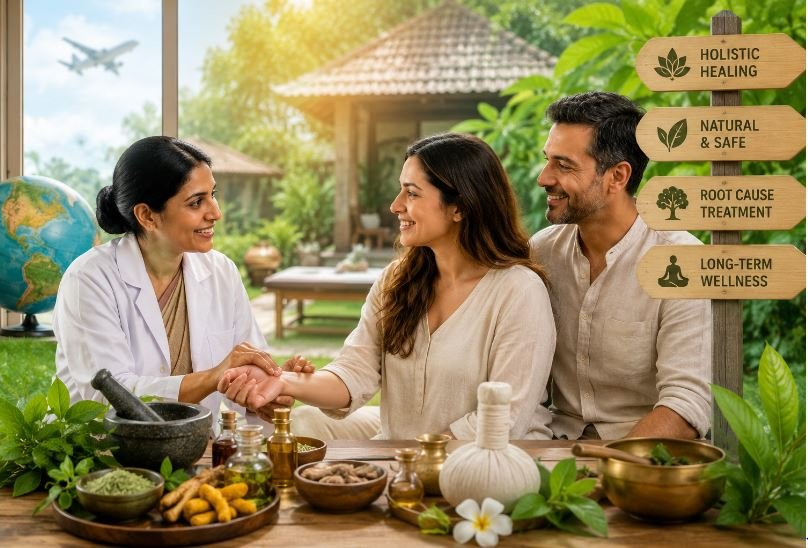
It usually starts with something small. A grandmother’s turmeric-milk remedy for a cold, reached for instead of the pharmacy aisle. A stressed-out professional trying Ashwagandha before another prescription. A parent choosing an Ayurvedic paediatrician’s advice over a quick antibiotic course for a mild ear infection. None of these are rejections of modern medicine — they’re quiet, personal decisions that add up to something bigger.
NRIs choosing Ayurveda over Western medicine isn’t really an either-or story, despite how it’s often framed. It’s closer to a shift in what people reach for first, and why. Across the US, UK, Canada, Australia, and the Gulf, a growing number of Indians abroad are treating Ayurveda not as a nostalgic throwback, but as a genuine first option for everyday health concerns — while still relying on Western medicine for anything acute, urgent, or diagnostic.
This piece looks at what’s actually driving that shift, where the trust comes from, and where Ayurveda fits — and doesn’t — alongside conventional healthcare abroad.
A Shift Happening Quietly in Diaspora Households
This isn’t a loud trend with viral hashtags. It’s happening in kitchens, medicine cabinets, and family WhatsApp groups, where a home remedy gets shared alongside a doctor’s appointment reminder, not instead of one. Second-generation NRIs who grew up watching a parent reach for haldi doodh before a cough syrup are now doing the same thing with their own children, often after their own experiments with Western wellness trends left them wanting something that felt more familiar.
What’s changed isn’t the existence of Ayurveda abroad — Indian families have always carried some version of it with them. What’s changed is how openly it’s being discussed, researched, and chosen deliberately, rather than practiced quietly and separately from “real” healthcare.
Social media has played a role too, though not in the way people usually assume. It’s not that Ayurveda went viral and diaspora families jumped on a trend. It’s that platforms made it easier to find Ayurvedic practitioners, ask questions in community groups, and see other NRI families openly discussing what worked for them — normalising conversations that used to happen only within extended family circles.
NRIs Choosing Ayurveda Over Western Medicine: What’s Actually Driving It
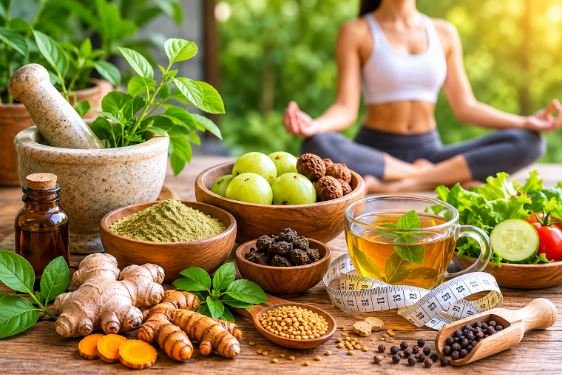
A few forces show up again and again when NRIs talk about why they’ve started leaning on Ayurveda more.
- Frustration with the pace of conventional appointments, where a ten-minute consultation often ends in a prescription rather than a conversation about root causes.
- Rising interest in preventive health, which fits naturally with Ayurveda’s focus on daily routine, diet, and balance rather than treatment after the fact.
- A desire to pass on identity, not just remedies — using Ayurvedic practices as a way to keep children connected to their heritage.
- Access to better information, since virtual consultations with Ayurvedic physicians in India are now realistic, not just something available on a visit home.
- Word of mouth within diaspora communities, where a remedy that worked for one family spreads quickly through trusted personal networks rather than advertising.
None of this means people are abandoning Western medicine. It means Ayurveda has moved from “what grandma does” to “a genuine first option,” particularly for chronic, lifestyle-related, or preventive concerns.
Distance used to be the biggest barrier to authentic Ayurvedic guidance. Morning Sun’s personalised wellness programs for NRIs now bring virtual consultations directly to families abroad.
Diaspora Interest in Ayurveda: It’s Not Just Nostalgia
It’s tempting to explain diaspora interest in Ayurveda as simple homesickness — a longing for something familiar in an unfamiliar place. That’s part of it, but it undersells what’s actually happening. Many NRIs exploring Ayurveda today are doing so with more scrutiny than their parents’ generation ever did, reading ingredient lists, comparing practitioner credentials, and checking research before committing to a remedy.
This generation isn’t accepting Ayurveda on faith alone. They’re approaching it the way they’d approach any other health decision abroad — with questions, comparisons, and a willingness to walk away from anything that doesn’t hold up. That scrutiny is actually strengthening trust in the practices that do work, because they’re surviving a more demanding filter than blind tradition ever applied.
There’s also a generational handoff happening that’s easy to miss. Parents who once practiced Ayurveda privately, almost apologetically, are now watching their adult children ask informed questions about it, research the herbs involved, and sometimes introduce new Ayurvedic practices back into the household. The direction of cultural transmission has partly reversed, and that’s part of why the interest feels less like nostalgia and more like an active, ongoing choice.
Why NRIs Trust Ayurveda More Than They Expected To
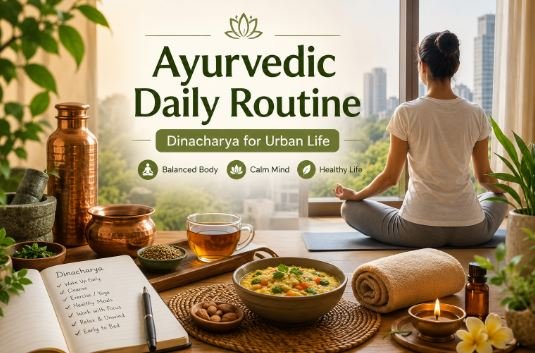
Trust doesn’t build overnight, and for many NRIs, it grew out of small, repeated wins rather than one dramatic conversion story.
- A digestive issue that Western medicine managed but never fully resolved, improving with a dosha-appropriate diet change.
- Chronic stress or sleep trouble easing with consistent Ayurvedic routine — herbs, oil massage, earlier bedtimes — after medication alone hadn’t moved the needle.
- Skin or hair concerns responding better to gentler, plant-based approaches than to the stronger synthetic products tried first.
None of these experiences replace the need for emergency care, surgery, or diagnostic testing. But they’ve been enough to convince a meaningful number of NRIs that Ayurveda deserves a genuine seat at the table, not just a nostalgic mention at family gatherings.
Curious what these remedies actually look like in daily practice? Advik Ayurveda’s guide to Ayurvedic anti-aging remedies walks through some of the most commonly used ones.
Traditional Medicine Among Indians Abroad: Where It Fits Alongside Western Care
Traditional medicine among Indians abroad rarely functions as a total replacement for conventional healthcare — and most people practicing it know that.
- Acute or emergency issues — injuries, infections requiring antibiotics, anything urgent — go straight to a Western doctor, no debate.
- Chronic, lifestyle-related concerns — digestion, stress, skin, sleep, mild recurring issues — are where Ayurveda gets tried first or alongside conventional treatment.
- Preventive care and daily wellness — diet, routine, self-massage, herbal support — lean almost entirely on Ayurvedic principles, since Western medicine rarely addresses this space directly.
This layered approach, sometimes called medical pluralism, is quietly common across diaspora communities, even among families who wouldn’t describe themselves as particularly traditional.
Many of the remedies passed down through families trace back further than most people realise. Desh Sansaar’s guide to Ayurvedic herbs for fertility shows how specific these traditions actually are.
The Limits: Where Ayurveda Isn’t a Substitute
Being fair to this topic means being honest about its limits too. Herb-drug interactions are also a real concern — some Ayurvedic formulations can interact with prescription medication, which is why informing every healthcare provider about what you’re taking matters, regardless of which tradition it comes from.
The families who navigate this best tend to treat Ayurveda and Western medicine as complementary tools rather than competing philosophies, using each where it’s genuinely strongest rather than picking a side out of loyalty.
Conclusion
NRIs choosing Ayurveda over Western medicine isn’t really about choosing one system over the other — it’s about diaspora families building a more layered, personal approach to health, one that draws on heritage without ignoring modern medical necessity. What’s driving it is fairly ordinary: frustration with rushed appointments, genuine results from small changes, and a desire to stay connected to something familiar while living far from home.
Whether that means an oil massage before bed, turmeric in the morning tea, or a virtual consultation with a practitioner in Kerala, the pattern is the same — Ayurveda earning its place through results, not just nostalgia.
FAQs:
Some Ayurvedic approaches have supporting research, particularly around specific herbs and stress-reduction practices, while others have limited formal study. It’s worth treating individual claims on their own merits rather than the tradition as a whole.
Often yes, but not automatically. Certain herbs can interact with prescription medications, so it’s important to tell every doctor and practitioner involved in your care about everything you’re taking.
Younger diaspora generations often approach it with more research and scrutiny, treating it as one health option among several rather than an inherited obligation, which has actually strengthened trust in the practices that hold up to that scrutiny.
Virtual consultations have made this considerably more accessible and often more affordable than comparable specialist consultations in Western healthcare systems, though costs vary by practitioner and program.
No. Any change to prescribed medication should go through the doctor who prescribed it. Ayurvedic support is generally intended to complement, not replace, medically necessary treatment.
External Resources
PubMed — US South Asian Youths’ Perspectives on the Use of Complementary and Alternative Medicine (CAM)