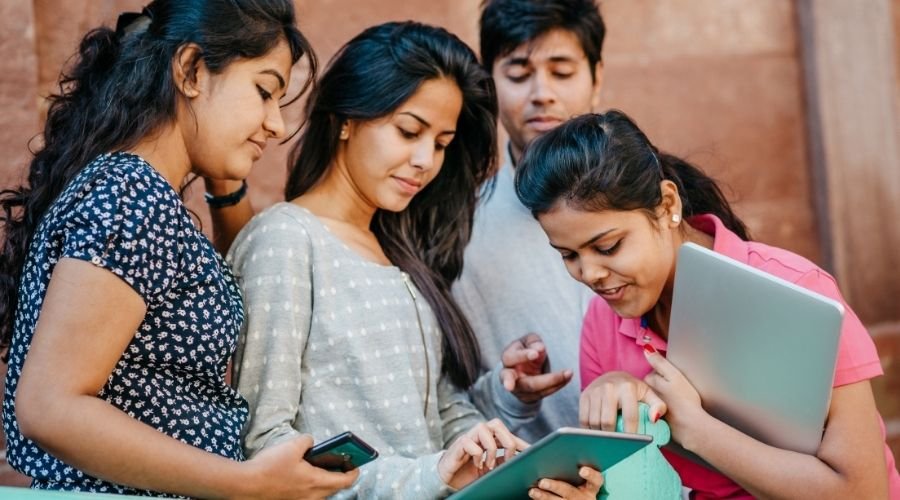
Second-generation NRIs often grow up balancing two different cultural worlds at the same time. At home, they may follow Indian traditions, values, and family expectations, while outside they adapt to the culture of the country they live in. This constant shift between identities can create confusion, pressure, and a feeling of not fully belonging anywhere.
What Does Second-Generation NRI Mean?
A second-generation NRI usually refers to children of Indian-origin parents who are born or raised outside India. Unlike first-generation immigrants, these children grow up mainly influenced by the social systems, education, and lifestyle of another country.
Most second-generation NRIs:
- Attend schools abroad
- Speak English or local languages more fluently
- Experience Indian culture mostly at home
- Build social identities in multicultural environments
- Learn Indian traditions through family rather than direct experience
This creates a different relationship with culture compared to their parents.
Why Cultural Identity Becomes Confusing
Cultural identity becomes difficult when children receive conflicting messages from different environments.
At home, they may hear:
- Respect elders without question
- Prioritize family over individuality
- Preserve Indian traditions
- Maintain cultural values
Outside the home, society may encourage:
- Independence
- Personal choice
- Individual expression
- Social freedom
Trying to satisfy both systems can become emotionally exhausting.
The Feeling of Not Fully Belonging
Many second-generation NRIs struggle with the feeling that they are caught between two cultures.
In Western countries, they may be treated as outsiders because of:
- Appearance
- Name
- Food habits
- Religion
- Family traditions
At the same time, when visiting India, they may hear comments such as:
- “You sound foreign.”
- “Your Hindi is weak.”
- “You don’t understand Indian culture.”
- “You behave differently.”
This creates a painful identity gap where they may feel disconnected from both sides.
How Family Expectations Increase Identity Pressure
Immigrant parents often work hard to preserve cultural roots abroad. Because of this, children may face strong expectations related to:
- Academic success
- Respect for traditions
- Career choices
- Marriage preferences
- Religious practices
Parents may fear that their children will “lose” Indian culture completely.
Children, however, may feel overwhelmed trying to balance family expectations with the realities of the society around them.
This pressure can lead to:
- Stress
- Emotional distance
- Secretive behavior
- Guilt
- Identity confusion
The Role of Language in Cultural Identity
Language is deeply connected to belonging.
Many second-generation NRIs understand Indian languages but struggle to speak fluently. Over time, this can create emotional distance from:
- Grandparents
- Extended family
- Cultural stories
- Traditions
- Community events
Children may avoid speaking the language because they fear making mistakes or being judged.
Parents may see this as rejection of culture, while children may simply lack confidence.
Why Teenage Years Become More Difficult
Teenage years are often the most challenging stage for cultural identity development.
Second-generation NRIs may face conflicts over:
- Clothing choices
- Friend groups
- Dating
- Social freedom
- Religious participation
- Lifestyle decisions
Parents may try to protect cultural values, while teenagers may want experiences similar to their peers.
This often creates misunderstandings inside families.
Some teenagers begin hiding parts of their lives because they fear criticism or disappointment.
Racism and Social Exclusion Add More Pressure
Experiences of racism can strongly affect cultural identity.
Second-generation NRIs may experience:
- Bullying about food or appearance
- Stereotypes
- Religious discrimination
- Accent-related teasing
- Social exclusion
These experiences can create shame around cultural identity.
Some children respond by trying to completely blend into mainstream culture. Others become more protective of their Indian identity.
Both reactions are ways of coping with social pressure.
Social Media and Cultural Comparison
Social media has made cultural identity even more complicated.
Young NRIs constantly compare themselves with:
- Influencers in India
- Western social trends
- Bollywood portrayals
- Diaspora communities online
This creates unrealistic expectations about what being “Indian enough” or “Western enough” should look like.
Identity can become performative instead of natural.
Bollywood’s Influence on NRI Identity
Bollywood often portrays NRIs in emotional and idealized ways.
Films usually show:
- Strong family unity
- Deep cultural attachment
- Perfect balance between East and West
- Emotional connection to traditions
Real life is far more complex.
Second-generation NRIs may struggle because their lived experience does not match these cinematic portrayals.
Why Many Second-Generation NRIs Feel Guilty
Guilt is common among children of immigrants.
Many feel guilty for:
- Not speaking their native language fluently
- Feeling disconnected from Indian traditions
- Wanting more independence
- Adopting Western lifestyles
- Disagreeing with family expectations
At the same time, they may also feel frustrated because they are expected to preserve a culture they never fully experienced themselves.
Religious Identity and Confusion
Religion can also become a source of identity conflict.
Parents may encourage:
- Temple visits
- Religious rituals
- Festival celebrations
- Traditional beliefs
Children raised in multicultural societies may question these practices more openly.
Sometimes rituals are taught without explaining their meaning, which creates emotional disconnect instead of understanding.
This can lead to:
- Selective participation
- Quiet distancing
- Confusion about belief systems
- Cultural frustration
Community Pressure Within the Indian Diaspora
Indian communities abroad can provide support, but they can also create pressure through comparison and judgment.
Young people may feel evaluated based on:
- Academic performance
- Career choices
- Language ability
- Cultural behavior
- Marriage preferences
- Religious participation
Fear of gossip or criticism can make cultural spaces feel stressful instead of comforting.
Some second-generation NRIs eventually withdraw from community involvement completely.
The Psychological Impact of Identity Conflict
Long-term identity struggles can affect emotional well-being.
Possible effects include:
- Anxiety
- Low confidence
- Emotional isolation
- Family tension
- Social insecurity
- Difficulty expressing authentic identity
Many second-generation NRIs become highly adaptable socially while internally struggling with questions about belonging.
Why Bicultural Identity Is Becoming More Common
Over time, many second-generation NRIs begin accepting that identity does not need to be limited to one culture.
A person can:
- Respect Indian traditions
- Embrace global values
- Feel connected to multiple cultures
- Build a hybrid identity
This balanced approach often reduces emotional conflict.
Cultural identity becomes healthier when individuals feel free to define themselves without guilt or pressure.
How Cultural Identity Struggles Continue Into Adulthood
Cultural identity questions do not always disappear with age. In fact, many second-generation NRIs begin thinking more deeply about identity during adulthood.
As responsibilities increase, they often begin questioning:
- Which cultural values truly feel personal?
- How much tradition should be preserved?
- What kind of lifestyle feels authentic?
- How should future children be raised?
Major life events such as marriage, career decisions, or parenthood often bring cultural expectations back into focus.
Someone who avoided cultural discussions during teenage years may suddenly become interested in:
- Indian traditions
- Language learning
- Spirituality
- Family history
- Cultural roots
Identity becomes more reflective and emotionally meaningful over time.
Why Many NRIs Reconnect With Indian Culture Later
Many second-generation NRIs reconnect with Indian culture voluntarily as adults.
During childhood, traditions may feel restrictive because they are associated with rules and expectations. Later in life, cultural exploration often feels more personal and meaningful.
This reconnection may happen through:
- Indian music and films
- Traditional festivals
- Visiting family in India
- Reading Indian literature
- Exploring regional languages
- Learning family history
- Spiritual or religious practices
The connection becomes healthier when it develops from curiosity rather than pressure.
Visiting India and Emotional Connection
Traveling to India often creates a powerful emotional experience for second-generation NRIs.
Some people feel:
- Deep emotional familiarity
- Strong family connection
- Greater understanding of parents’ sacrifices
- Pride in cultural heritage
Others may experience:
- Cultural discomfort
- Language barriers
- Social confusion
- Difficulty adjusting to different lifestyles
Both reactions are natural.
India can feel emotionally connected yet socially unfamiliar at the same time. Over repeated visits, many people develop a more balanced understanding of their roots.
How Parents Influence Cultural Identity
Parents strongly shape how children experience culture.
When culture is presented mainly through fear or obligation, children may associate traditions with stress. However, when culture is taught with warmth and explanation, children are more likely to feel emotionally connected.
Healthy approaches include:
- Explaining traditions patiently
- Encouraging questions
- Respecting individuality
- Avoiding excessive control
- Creating positive cultural experiences
- Sharing stories and family memories
Children usually respond better to emotional connection than strict enforcement.
Why Open Conversations Matter
Many immigrant families avoid difficult discussions about identity.
Parents may hesitate to discuss:
- Racism
- Social pressure
- Mental health
- Dating
- Identity confusion
Children may hide:
- Emotional struggles
- Cultural insecurity
- Desire for independence
- Fear of judgment
This silence often increases emotional distance inside families.
Open communication helps both generations understand that identity struggles are emotional experiences, not acts of disrespect.
Cultural Preservation Versus Cultural Pressure
There is an important difference between preserving culture and controlling behavior.
Healthy cultural preservation focuses on:
- Family connection
- Shared traditions
- Emotional belonging
- Respect for heritage
- Language exposure
Cultural pressure often focuses on:
- Fear of social judgment
- Strict expectations
- Constant comparison
- Obedience without understanding
Children are more likely to value culture when it feels supportive rather than restrictive.
Why Bicultural Identity Can Become a Strength
Although balancing two cultures can feel difficult, bicultural identity can also become a major advantage.
Second-generation NRIs often develop:
- Adaptability
- Emotional intelligence
- Global perspective
- Cross-cultural communication skills
- Greater empathy
Growing up in multicultural environments helps many people understand different viewpoints more naturally.
This ability becomes valuable in education, careers, and relationships.
The Importance of Representation
Positive representation plays a major role in identity development.
When second-generation NRIs see South Asian representation in:
- Media
- Education
- Leadership
- Entertainment
- Literature
they often feel more accepted and confident.
Representation helps reduce feelings of invisibility or cultural isolation.
Children who regularly see successful and respected people from similar backgrounds often develop stronger self-esteem.
How Comparison Creates Identity Stress
Comparison is common in many diaspora communities.
Children may frequently hear:
- “Other children are more traditional.”
- “They still speak their language perfectly.”
- “Why can’t you behave like them?”
- “Look at their academic success.”
Constant comparison can create:
- Shame
- Anxiety
- Low confidence
- Emotional withdrawal
- Cultural resentment
Instead of strengthening cultural connection, comparison often damages it.
Why Friendships Affect Cultural Confidence
Social environments strongly shape identity.
Supportive friendships can help second-generation NRIs feel comfortable expressing different parts of themselves.
Positive social circles often encourage:
- Cultural acceptance
- Confidence
- Emotional security
- Openness about heritage
On the other hand, environments filled with stereotypes or exclusion can increase identity confusion.
Feeling socially accepted reduces the pressure to hide cultural background.
Language and Emotional Belonging
Language carries emotional meaning beyond communication.
Even when second-generation NRIs are not fully fluent in Indian languages, understanding family expressions, humor, and cultural references can strengthen belonging.
Children often learn language more naturally when it is connected to:
- Family conversations
- Stories
- Music
- Films
- Travel experiences
Language learning becomes more meaningful when it creates emotional connection instead of pressure.
Balancing Independence and Tradition
One of the biggest challenges in immigrant families is balancing traditional values with personal independence.
Young adults may want:
- Freedom in career choices
- Relationship independence
- Personal lifestyle decisions
- Individual identity
Families may worry about losing cultural continuity.
Healthy balance comes from mutual respect rather than control.
Children do not necessarily reject culture when seeking independence. Often, they simply want the freedom to shape identity personally.
Why Identity Changes Over Time
Cultural identity is not fixed permanently.
It evolves through:
- Life experiences
- Relationships
- Education
- Career exposure
- Parenthood
- Reflection
- Travel
Someone who feels disconnected from Indian culture during teenage years may later feel deeply connected as an adult.
Identity develops gradually over time.
Emotional Belonging Matters More Than Perfection
Cultural identity is not about performing traditions perfectly.
People usually feel connected to culture when they experience:
- Acceptance
- Understanding
- Emotional warmth
- Family support
- Shared memories
Rigid expectations without emotional connection often push children away from heritage instead of bringing them closer.
Building a Healthy Cultural Identity
A healthy bicultural identity allows second-generation NRIs to:
- Respect Indian heritage
- Embrace global experiences
- Question traditions thoughtfully
- Build personal values
- Feel connected to multiple cultures
This approach reduces the pressure to choose between identities.
Culture becomes something supportive rather than restrictive.
Conclusion
Second-generation NRIs often struggle with cultural identity because they grow up balancing family heritage with the realities of life abroad. Language differences, social pressure, racism, family expectations, and emotional belonging all influence how identity develops.
Over time, many people learn that identity does not need to fit into a single definition. It is possible to appreciate Indian roots while also embracing the culture of the country where they live.
Families that encourage understanding, flexibility, and open communication often help children build healthier relationships with both culture and self-identity.
FAQs:
Many people explore their heritage more deeply as adults because the connection becomes personal rather than forced.
Yes. Bicultural individuals often develop adaptability, empathy, and strong communication skills.
Parents can encourage open discussion, avoid excessive pressure, and teach traditions with emotional warmth.
Visits often create emotional understanding of family history, traditions, and cultural roots.
Yes. Constant comparison can create shame and weaken emotional connection with culture.