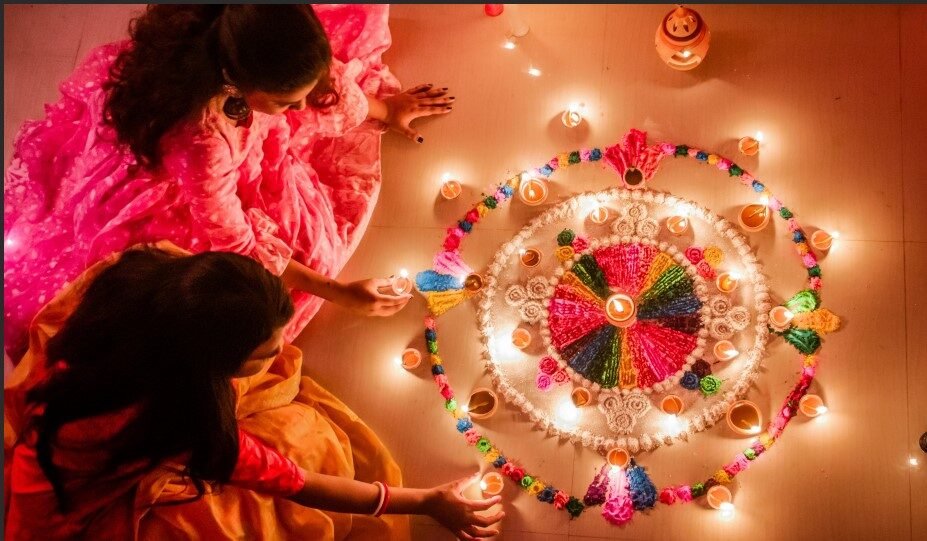
Indian festivals play an important role in helping children connect with their heritage, values, and family traditions. For children growing up outside India or in highly modern environments, festivals often become one of the strongest ways to experience culture emotionally rather than just learn about it academically.
Celebrations such as Diwali, Holi, Navratri, Pongal, Onam, Raksha Bandhan, and Ganesh Chaturthi introduce children to shared traditions, family bonding, rituals, stories, and cultural memories. These experiences help create a sense of identity, belonging, and emotional connection that can stay with them throughout life.
Why Festivals Matter in Cultural Identity
Children understand culture more deeply through experiences than through lectures or instructions. Festivals create emotional memories that make traditions feel alive and meaningful.
During festivals, children experience:
- Family togetherness
- Traditional food
- Music and dance
- Religious and cultural stories
- Rituals and customs
- Community celebrations
- Language exposure
- Shared values
These moments help children feel connected to something larger than themselves.
For many families, festivals become the bridge between generations.
Festivals Create Emotional Connection With Heritage
One of the biggest ways festivals help children build cultural roots is through emotional connection.
Children may not fully understand history, religion, or tradition at a young age, but they remember:
- Decorating the house
- Wearing traditional clothes
- Lighting diyas
- Visiting relatives
- Sharing sweets
- Listening to family stories
- Participating in rituals
These repeated experiences create familiarity and emotional comfort around cultural identity.
As children grow older, these memories often become an important part of how they understand their roots.
Family Gatherings Strengthen Cultural Belonging
Indian festivals usually bring families together.
Children spend time with:
- Parents
- Grandparents
- Cousins
- Extended relatives
- Community members
This strengthens their understanding of family relationships and cultural belonging.
In many modern lifestyles, especially abroad, children may not regularly experience large family environments. Festivals recreate those connections and help children feel part of a wider cultural community.
Strong family experiences during festivals can increase:
- Emotional security
- Cultural pride
- Sense of belonging
- Intergenerational bonding
Storytelling Helps Children Understand Values
Many Indian festivals are connected to stories that carry moral and cultural lessons.
For example:
- Diwali teaches themes of hope and good over evil
- Raksha Bandhan highlights sibling bonds
- Navratri celebrates strength and devotion
- Eid encourages generosity and compassion
- Pongal and Onam emphasize gratitude and harvest traditions
When parents and grandparents explain these stories, children begin understanding cultural values in a relatable way.
Storytelling also helps preserve traditions across generations.
Festivals Encourage Language Exposure
Festivals naturally expose children to Indian languages.
Children may hear:
- Traditional songs
- Religious prayers
- Family conversations
- Greetings and blessings
- Cultural expressions
Even if children are not fully fluent, repeated exposure strengthens familiarity with language and cultural meaning.
Language learned through emotional experiences is often remembered more deeply than formal lessons.
Traditional Food Builds Cultural Memory
Food is one of the strongest carriers of cultural identity.
During festivals, children experience:
- Family recipes
- Regional dishes
- Traditional sweets
- Community meals
- Cooking rituals
These experiences create sensory memories connected to culture.
Many adults later associate cultural belonging with the smells, tastes, and emotions connected to festival food prepared during childhood.
Cooking together also becomes an opportunity for parents and grandparents to share family traditions naturally.
Festivals Help Children Feel Proud of Their Heritage
Children growing up in multicultural environments may sometimes feel different from their peers.
Festivals can help transform that feeling into pride.
When children:
- Dress traditionally
- Share festival celebrations with friends
- Explain customs confidently
- Participate in cultural events
they often develop stronger confidence in their identity.
Positive cultural experiences reduce feelings of embarrassment or insecurity about traditions.
Community Celebrations Reduce Cultural Isolation
For Indian families living abroad, festivals often become community events.
Temples, cultural associations, schools, and local organizations organize:
- Dance programs
- Festival fairs
- Cultural performances
- Group prayers
- Food gatherings
These spaces help children meet others with similar backgrounds.
Community celebrations reduce feelings of cultural isolation and help children realize they are part of a larger shared identity.
Festivals Teach Children About Diversity Within India
Indian culture is extremely diverse, and festivals introduce children to regional traditions.
Children learn that:
- Different states celebrate festivals differently
- Food, clothing, music, and rituals vary across communities
- Multiple religions and traditions exist within India
This helps children develop broader cultural understanding instead of narrow stereotypes.
It also encourages respect for diversity within their own heritage.
Rituals Create a Sense of Continuity
Repeated festival rituals create stability and continuity for children.
Simple traditions such as:
- Decorating the home every year
- Performing prayers together
- Visiting relatives
- Preparing specific foods
- Wearing traditional clothing
become predictable family experiences.
These rituals create emotional anchors that help children feel connected across time and generations.
Even children who later become less religious often remain emotionally attached to these traditions.
Festivals Strengthen Parent-Child Bonding
Festival preparation often involves the entire family.
Parents and children may:
- Decorate together
- Shop for clothes
- Prepare food
- Attend community events
- Participate in rituals
These activities create opportunities for bonding without pressure.
Children often remember the emotional atmosphere of celebrations more than the rituals themselves.
Warm family experiences during festivals strengthen both relationships and cultural attachment.
Celebrations Help Children Understand Gratitude
Many Indian festivals include themes of gratitude, generosity, and sharing.
Children learn:
- Appreciation for family
- Respect for traditions
- Importance of helping others
- Value of community connection
Festivals often encourage:
- Charity
- Sharing meals
- Giving gifts
- Helping relatives
- Welcoming guests
These practices help children understand social and emotional values beyond material celebration.
Why Festivals Matter More for Children Abroad
For children growing up outside India, festivals may become one of the few direct experiences of Indian culture.
Unlike parents, they may not experience:
- Indian neighborhoods
- Daily cultural environments
- Native-language schools
- Regular cultural immersion
Festivals help recreate cultural exposure in meaningful ways.
For many second-generation children, festivals become emotional reminders that they belong to a cultural history larger than their immediate surroundings.
Social Media and Modern Festival Experiences
Modern celebrations are increasingly influenced by social media and technology.
Children now experience festivals through:
- Online family calls
- Digital invitations
- Cultural videos
- Social media posts
- Virtual celebrations
While technology changes how festivals are celebrated, it also helps children stay connected to relatives and traditions across countries.
However, families should balance online sharing with genuine participation and emotional connection.
Why Cultural Participation Should Feel Positive
Children are more likely to stay connected to traditions when festivals feel joyful rather than forced.
Positive participation includes:
- Allowing children to ask questions
- Encouraging involvement naturally
- Explaining traditions patiently
- Creating enjoyable family experiences
Excessive pressure or rigid expectations can sometimes make children emotionally disconnect from celebrations.
Cultural roots grow stronger when children associate traditions with warmth and belonging.
Festivals Help Build Intergenerational Connection
One of the strongest benefits of Indian festivals is the connection they create between generations.
Children often learn traditions directly from:
- Grandparents
- Parents
- Older relatives
- Community elders
Through conversations, rituals, and storytelling, children gain exposure to family history and cultural experiences that may not be part of everyday life.
Grandparents especially play an important role by sharing:
- Childhood memories
- Traditional practices
- Religious stories
- Regional customs
- Family values
These interactions strengthen emotional closeness and help preserve traditions naturally.
Cultural Rituals Create Lasting Childhood Memories
Children remember experiences that involve emotion, repetition, and family participation.
Festival rituals such as:
- Lighting diyas during Diwali
- Applying colors during Holi
- Decorating homes for Pongal or Onam
- Tying rakhi during Raksha Bandhan
- Visiting temples or community events
become part of childhood memory.
These repeated experiences help children associate culture with:
- Warmth
- Celebration
- Joy
- Family togetherness
- Emotional security
Many adults later reconnect with their heritage through memories created during festivals.
Festivals Help Children Understand Respect and Tradition
Indian festivals often teach children the importance of:
- Respecting elders
- Welcoming guests
- Sharing with others
- Maintaining family traditions
- Participating in community life
Children observe behaviors such as:
- Touching elders’ feet
- Offering food to guests
- Participating in prayers
- Helping during preparations
These practices introduce values through action rather than formal teaching.
Children often absorb cultural habits naturally when they participate in family celebrations regularly.
Community Events Build Social Identity
Festivals celebrated in community spaces help children feel part of a larger cultural group.
Community celebrations may include:
- Cultural dance performances
- Music programs
- Religious gatherings
- Traditional games
- Festival fairs
- Food events
For children growing up abroad, these events reduce feelings of cultural isolation.
Seeing many families celebrate together helps children understand that their traditions are shared and valued by others too.
This strengthens:
- Cultural confidence
- Social belonging
- Community identity
Festivals Encourage Curiosity About Heritage
As children grow older, festivals often inspire curiosity about:
- Family origins
- Regional traditions
- Religious beliefs
- Indian history
- Native languages
A child who once enjoyed festivals mainly for sweets and decorations may later begin asking deeper questions about meaning and symbolism.
This curiosity can lead to:
- Learning regional languages
- Reading cultural stories
- Visiting ancestral places
- Exploring traditional arts
- Understanding family history
Festivals become the starting point for long-term cultural exploration.
Why Representation Matters During Celebrations
Children feel more confident about their culture when they see it respected publicly.
Schools, communities, and multicultural events that recognize Indian festivals help children feel:
- Included
- Valued
- Accepted
- Proud of their heritage
Celebrating festivals openly also helps children explain their traditions confidently to friends and classmates.
Positive representation reduces feelings of embarrassment or difference.
Festivals Teach the Importance of Sharing
Many Indian festivals encourage generosity and community participation.
Children learn values such as:
- Sharing food
- Giving gifts
- Helping others
- Donating to charity
- Supporting community members
These experiences teach empathy and collective responsibility.
Festivals help children understand that celebrations are not only about personal enjoyment but also about relationships and community care.
Traditional Clothing Strengthens Cultural Expression
Wearing traditional clothing during festivals helps children engage with culture visually and emotionally.
Traditional outfits often create:
- Excitement
- Curiosity
- Pride in heritage
- Interest in regional traditions
Children may also begin learning:
- The significance of certain styles
- Regional clothing traditions
- Cultural symbolism connected to attire
Cultural expression through clothing can strengthen identity when approached positively and without pressure.
Festivals Help Balance Modern Life and Tradition
Modern lifestyles often reduce daily cultural exposure, especially in urban or international environments.
Festivals help families reconnect with traditions that may otherwise fade from routine life.
They create dedicated time for:
- Family gatherings
- Cultural practices
- Religious reflection
- Community participation
- Shared meals
Even busy families often prioritize festivals, which helps maintain continuity across generations.
Why Emotional Atmosphere Matters More Than Perfection
Children rarely remember whether every ritual was performed perfectly.
What they usually remember is:
- Family laughter
- Music and celebrations
- Emotional warmth
- Feeling included
- Time spent together
When festivals become overly strict or stressful, children may emotionally disconnect from the experience.
A welcoming and joyful environment often creates stronger cultural attachment than rigid expectations.
Festivals Help Children Develop Cultural Confidence
Children who grow up celebrating their traditions confidently are often more comfortable discussing their identity with others.
Festivals help children:
- Explain customs proudly
- Share traditions with friends
- Feel secure about their background
- Appreciate cultural diversity
This confidence becomes especially important in multicultural schools and social environments.
Positive cultural experiences reduce insecurity and strengthen self-esteem.
How Schools Can Support Cultural Inclusion
Schools that acknowledge Indian festivals help children feel respected and visible.
Supportive schools may:
- Organize multicultural celebrations
- Allow cultural presentations
- Recognize important festivals
- Encourage inclusive discussions
These efforts help normalize diversity instead of treating traditions as unusual.
Children feel more comfortable expressing cultural identity when schools create inclusive environments.
Balancing Religious Meaning and Cultural Celebration
Some families focus mainly on religious practices, while others emphasize cultural celebration.
Children benefit most when festivals include:
- Meaningful explanation
- Emotional connection
- Open conversation
- Positive participation
Understanding the purpose behind rituals helps children connect more deeply with traditions.
When children are allowed to ask questions freely, festivals become more engaging and meaningful.
Why Festival Memories Stay for Life
Festival memories often remain emotionally powerful even in adulthood.
Many adults later remember:
- Family gatherings
- Traditional songs
- Homemade sweets
- Decorations
- Religious ceremonies
- Community events
These memories create emotional continuity across generations.
Even people who become less religious or culturally active often retain strong emotional attachment to festivals because of childhood experiences.
Creating Meaningful Festival Experiences for Children
Parents can make festivals more meaningful by:
- Involving children in preparations
- Explaining traditions patiently
- Sharing family stories
- Encouraging questions
- Making celebrations interactive
- Focusing on connection rather than perfection
Children engage more deeply when they feel included instead of instructed.
Simple experiences often create the strongest memories.
Conclusion
Indian festivals help children build cultural roots by connecting them with family traditions, shared values, language, stories, and emotional belonging. These celebrations create memories that strengthen identity and help children feel connected to their heritage in meaningful ways.
For families living abroad or navigating modern lifestyles, festivals become important opportunities to preserve cultural continuity across generations.
When celebrated with warmth, openness, and emotional connection, Indian festivals help children develop pride, confidence, and a lasting sense of belonging rooted in family and tradition.
FAQs:
Festivals create emotional experiences that connect children with traditions, family values, and cultural belonging.
Festivals provide cultural exposure and help children maintain connection with their heritage.
Yes. Positive cultural experiences often strengthen self-esteem and pride in identity.
Family gatherings help children build emotional bonds and understand cultural traditions across generations.
Parents can involve children in activities, explain traditions, and create joyful family experiences.