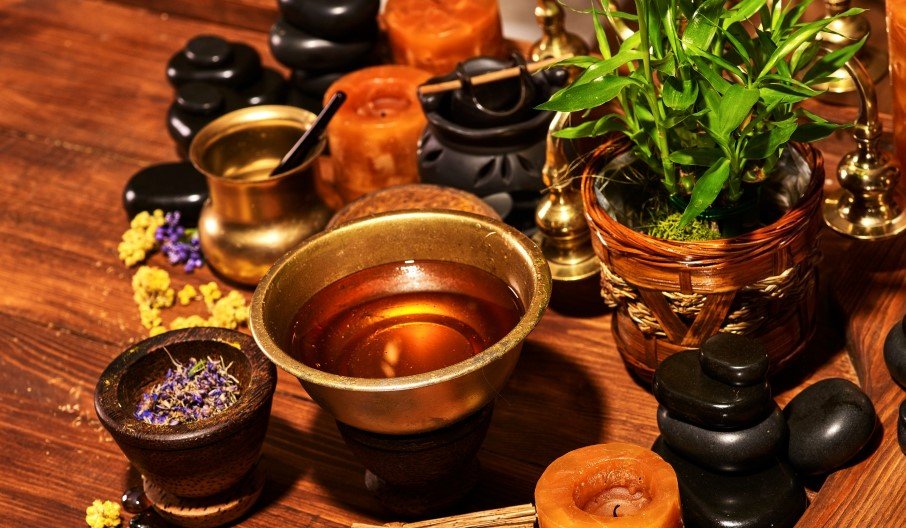
India has long been recognized as the global center of Ayurveda, one of the world’s oldest holistic healing systems. Rooted in natural healing principles and lifestyle balance, Ayurveda continues to attract millions of people seeking alternative and complementary healthcare solutions for modern health concerns.
Today, Ayurvedic treatments are no longer limited to traditional herbal remedies or rural wellness practices. Across India, modern Ayurvedic hospitals, wellness centers, Panchakarma clinics, and integrative healing institutions now combine classical Ayurvedic wisdom with contemporary healthcare approaches.
From stress management and digestive disorders to skin care, chronic pain, lifestyle diseases, and rejuvenation therapies, Ayurveda offers a wide range of treatments designed to improve overall wellness naturally.
The growing popularity of Ayurvedic healthcare is driven by increasing awareness regarding preventive health, natural therapies, personalized healing, and holistic lifestyle management.
Understanding the best Ayurvedic treatments available in India today helps individuals explore safe, effective, and traditional wellness options for long-term health improvement.
Understanding Ayurveda
Ayurveda is a traditional Indian medical system focused on balancing the body, mind, and lifestyle.
The word Ayurveda comes from two Sanskrit words:
- Ayu — life
- Veda — knowledge
Ayurveda therefore means “the science of life.”
The system is based on balancing three biological energies known as doshas:
- Vata
- Pitta
- Kapha
According to Ayurvedic principles, imbalances in these doshas contribute to physical and mental health problems.
Ayurvedic treatment aims to restore balance through:
- Herbal medicine
- Diet management
- Detoxification
- Massage therapies
- Yoga
- Lifestyle correction
- Meditation
Modern Ayurvedic centers in India offer both preventive and therapeutic healthcare solutions.
Panchakarma Therapy
One of the most popular Ayurvedic treatments in India today is Panchakarma therapy.
Panchakarma is a detoxification and rejuvenation process designed to eliminate toxins from the body and restore dosha balance.
The treatment generally includes five major cleansing procedures:
- Vamana (therapeutic vomiting)
- Virechana (purgation therapy)
- Basti (medicated enema)
- Nasya (nasal cleansing)
- Raktamokshana (blood purification)
Panchakarma is commonly used for:
- Stress management
- Digestive disorders
- Joint pain
- Skin problems
- Lifestyle diseases
- Mental fatigue
Many wellness centers across India specialize in customized Panchakarma programs.
Ayurvedic Treatment for Stress and Anxiety
Modern lifestyles have significantly increased stress-related health problems.
Ayurvedic treatments for stress management focus on calming the nervous system naturally through:
- Herbal therapies
- Meditation
- Abhyanga massage
- Shirodhara therapy
- Breathing exercises
- Sleep regulation
Shirodhara is especially popular for mental relaxation.
In this therapy, medicated oil is gently poured over the forehead in a rhythmic flow to calm the mind and improve emotional balance.
Ayurvedic stress therapies are widely used for:
- Anxiety
- Sleep disorders
- Mental fatigue
- Burnout
- Emotional imbalance
Holistic stress management remains one of the fastest-growing Ayurvedic treatment segments in India.
Ayurvedic Treatment for Digestive Disorders
Digestive health is considered central to overall wellness in Ayurveda.
Ayurvedic treatments for digestive problems often focus on improving metabolism, gut balance, and toxin elimination.
Common conditions treated include:
- Acidity
- Constipation
- Indigestion
- Irritable bowel syndrome
- Bloating
- Poor appetite
Treatment approaches may include:
- Herbal medicines
- Detoxification
- Dietary correction
- Lifestyle modification
- Digestive therapies
Ayurveda emphasizes long-term digestive balance rather than temporary symptom control.
Ayurvedic Treatment for Joint Pain and Arthritis
Ayurvedic therapies are widely used for chronic pain management and joint-related conditions.
Common conditions treated include:
- Arthritis
- Knee pain
- Back pain
- Cervical spondylosis
- Muscle stiffness
- Sciatica
Popular Ayurvedic therapies for pain management include:
- Abhyanga massage
- Kizhi therapy
- Janu Basti
- Pizhichil
- Herbal oil therapies
These treatments aim to reduce inflammation, improve circulation, and support mobility naturally.
Many individuals prefer Ayurvedic pain therapies because they focus on long-term wellness and lifestyle correction.
Abhyanga Massage Therapy
Abhyanga is one of the most commonly recommended Ayurvedic therapies in India.
This full-body massage uses warm herbal oils selected according to body constitution and health condition.
Benefits of Abhyanga may include:
- Improved blood circulation
- Muscle relaxation
- Better sleep quality
- Reduced stress
- Skin nourishment
- Improved energy levels
Abhyanga is often included in wellness retreats, detoxification programs, and preventive healthcare routines.
The therapy is valued for both physical and mental relaxation.
Ayurvedic Skin Care Treatments
Natural skin care has become a major area of interest in Ayurvedic wellness.
Ayurvedic skin treatments focus on improving skin health internally and externally.
Common concerns addressed include:
- Acne
- Pigmentation
- Eczema
- Dry skin
- Premature aging
- Allergic skin reactions
Treatments may involve:
- Herbal face therapies
- Detoxification
- Diet management
- Herbal medicines
- Oil applications
Ayurveda emphasizes that healthy skin reflects internal body balance and digestive health.
Natural Ayurvedic skin care therapies are increasingly popular among wellness-conscious individuals.
Ayurvedic Weight Management Programs
Weight management has become a major health concern due to sedentary lifestyles and dietary imbalance.
Ayurvedic weight management programs focus on:
- Metabolism improvement
- Digestive correction
- Detoxification
- Lifestyle changes
- Personalized diet planning
Treatments may include:
- Herbal supplements
- Udvartana therapy
- Panchakarma
- Yoga routines
- Dietary guidance
Unlike rapid weight-loss approaches, Ayurveda generally focuses on sustainable health improvement and long-term balance.
Ayurvedic Diabetes Management
Lifestyle disorders such as diabetes are increasingly managed through integrative healthcare approaches.
Ayurvedic diabetes management programs often include:
- Dietary correction
- Herbal formulations
- Detoxification therapies
- Exercise recommendations
- Lifestyle modification
Ayurveda aims to support metabolic balance and improve overall wellness.
Many wellness centers now provide supportive Ayurvedic care alongside conventional medical supervision for chronic lifestyle diseases.
Shirodhara Therapy
Shirodhara is one of the most recognized Ayurvedic relaxation therapies globally.
The treatment involves continuously pouring warm medicated oil, milk, or herbal liquid onto the forehead.
Shirodhara is commonly recommended for:
- Anxiety
- Sleep disturbances
- Stress
- Mental exhaustion
- Headaches
Benefits may include:
- Mental calmness
- Improved concentration
- Nervous system relaxation
- Better emotional balance
The therapy is widely offered in Ayurvedic wellness retreats and rejuvenation centers across India.
Ayurvedic Rejuvenation Therapies
Rejuvenation therapies aim to improve vitality, immunity, and overall well-being.
These therapies are especially popular among individuals seeking:
- Preventive healthcare
- Anti-aging support
- Energy improvement
- Mental relaxation
Rejuvenation programs may include:
- Herbal therapies
- Panchakarma
- Massage treatments
- Yoga sessions
- Dietary planning
Ayurvedic rejuvenation tourism has grown significantly in India due to rising global wellness interest.
Ayurvedic Hair and Scalp Treatments
Hair health treatments are another major area of Ayurvedic wellness.
Common concerns addressed include:
- Hair fall
- Dandruff
- Premature graying
- Dry scalp
- Weak hair growth
Ayurvedic therapies may involve:
- Herbal oils
- Scalp massage
- Nasya treatment
- Dietary correction
- Stress management
Hair treatments often focus on balancing internal health rather than only external cosmetic care.
Ayurvedic Detox Programs
Detoxification remains one of the core principles of Ayurvedic healthcare.
Ayurvedic detox programs aim to remove accumulated toxins from the body and improve metabolic function.
Programs may include:
- Panchakarma
- Herbal cleansing
- Specialized diets
- Fasting therapies
- Oil therapies
Detox treatments are commonly used for:
- Fatigue
- Digestive issues
- Skin problems
- Low immunity
- Lifestyle imbalance
Many wellness retreats in India offer short-term and long-term detox packages.
Ayurvedic Treatment for Sleep Disorders
Sleep disorders have become increasingly common due to stress, digital overload, and irregular routines.
Ayurvedic sleep therapies focus on calming the nervous system naturally.
Treatments may include:
- Shirodhara
- Herbal medicines
- Relaxation therapies
- Meditation
- Lifestyle correction
Ayurveda emphasizes balanced daily routines and mental calmness for healthy sleep patterns.
Natural sleep management approaches are increasingly preferred by wellness-conscious individuals.
Integrative Ayurvedic Healthcare
Modern healthcare systems increasingly explore integrative medicine approaches.
Many Ayurvedic hospitals in India now combine:
- Ayurveda
- Yoga
- Physiotherapy
- Nutritional guidance
- Conventional healthcare support
Integrative healthcare aims to improve overall wellness through multiple healing approaches.
Patients increasingly seek holistic wellness rather than symptom-focused treatment alone.
Popular Ayurvedic Wellness Destinations in India
Several regions in India are especially known for Ayurvedic healthcare and wellness tourism.
Popular destinations include:
- Kerala
- Karnataka
- Uttarakhand
- Goa
These destinations attract both Indian and international visitors seeking authentic Ayurvedic experiences.
Wellness tourism has become a major contributor to India’s growing alternative healthcare sector.
Role of Diet in Ayurvedic Treatment
Diet plays a central role in Ayurvedic healing.
Ayurveda believes that food directly influences physical and mental health.
Treatment plans often include personalized dietary recommendations based on:
- Dosha type
- Digestive strength
- Lifestyle
- Health conditions
Dietary correction is considered essential for sustainable wellness and long-term healing.
Ayurvedic nutrition emphasizes:
- Fresh foods
- Seasonal eating
- Digestive balance
- Natural ingredients
Importance of Lifestyle Management
Ayurveda focuses heavily on daily routines and lifestyle discipline.
Treatment success often depends on:
- Sleep patterns
- Physical activity
- Stress management
- Eating habits
- Mental wellness
Lifestyle correction helps maintain long-term health improvements beyond temporary symptom relief.
This preventive approach is one reason Ayurveda continues to remain relevant in modern wellness culture.
Growing Popularity of Ayurvedic Wellness
Ayurvedic wellness has gained international popularity due to increasing awareness regarding:
- Natural healing
- Preventive healthcare
- Mental wellness
- Holistic living
- Lifestyle balance
Many people seek Ayurveda for:
- Stress reduction
- Chronic condition management
- Detoxification
- Rejuvenation
- Wellness tourism
India remains one of the leading global destinations for authentic Ayurvedic healthcare experiences.
Choosing the Right Ayurvedic Center
Selecting a quality Ayurvedic center is important for safe and effective treatment experiences.
Individuals should evaluate:
- Qualified practitioners
- Treatment authenticity
- Hygiene standards
- Institutional reputation
- Personalized consultation systems
Professional supervision is essential, especially for chronic conditions and detoxification therapies.
Responsible healthcare decisions improve both safety and treatment effectiveness.
Limitations and Realistic Expectations
Although Ayurveda offers many wellness benefits, individuals should maintain realistic expectations.
Ayurvedic treatments may require:
- Lifestyle discipline
- Long-term consistency
- Personalized planning
- Dietary changes
Not all conditions respond identically to treatment approaches.
Individuals with serious medical conditions should consult qualified healthcare professionals before beginning intensive therapies.
Integrative and medically supervised approaches are often the safest option.
Future of Ayurveda in India
The future of Ayurveda in India appears highly promising.
Growing interest in:
- Preventive healthcare
- Wellness tourism
- Natural therapies
- Integrative medicine
- Mental wellness
continues to strengthen the Ayurvedic healthcare sector.
Technology integration, research expansion, and global awareness are also improving the visibility of Ayurvedic medicine internationally.
India is likely to remain a global leader in Ayurvedic wellness and traditional healthcare innovation.
Conclusion
Ayurveda continues to offer a wide range of natural and holistic treatment options for modern health challenges. From Panchakarma detoxification and stress management therapies to digestive care, joint pain treatment, skin wellness, and rejuvenation programs, Ayurvedic healthcare supports both preventive and therapeutic wellness goals.
Modern Ayurvedic centers across India now combine traditional healing principles with structured wellness systems, personalized consultation, and integrative healthcare approaches.
Although Ayurvedic treatments require discipline, consistency, and professional guidance, they remain highly valued for promoting long-term balance, natural healing, and overall well-being.
As awareness regarding holistic health continues to grow, Ayurveda will likely remain one of the most important wellness traditions shaping healthcare choices in India and around the world.
FAQs:
Ayurveda is a traditional Indian system of medicine focused on balancing the body, mind, and lifestyle through natural healing methods.
Panchakarma is an Ayurvedic detoxification and rejuvenation treatment designed to remove toxins and restore body balance.
Yes. Ayurvedic therapies such as Shirodhara, meditation, massage, and herbal treatments are commonly used for stress relief.
Ayurvedic treatments may support pain management and mobility improvement through herbal therapies, massages, and detoxification.
Kerala is widely known for authentic Ayurvedic wellness centers, Panchakarma therapies, and traditional healing practices.