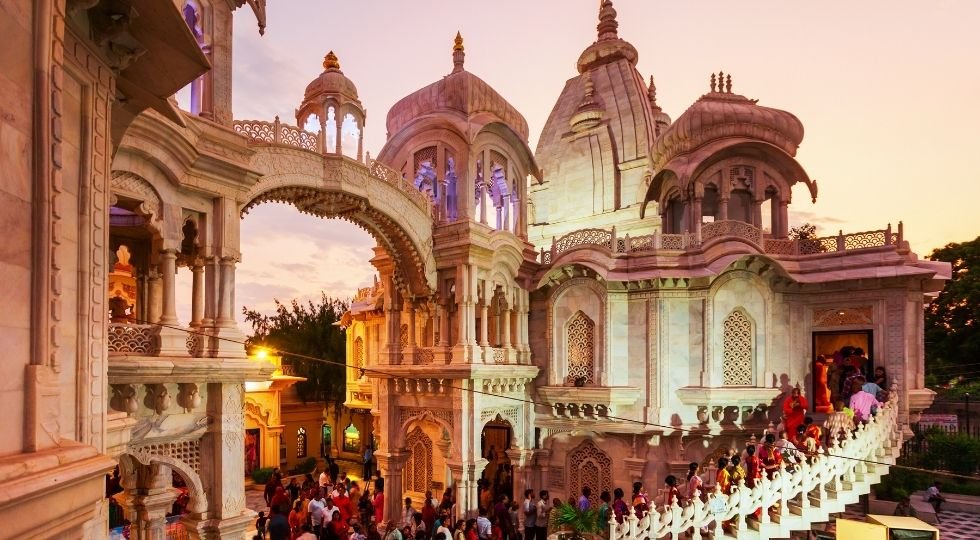
In today’s global and fast-changing world, many children grow up surrounded by multiple cultural influences. Whether living abroad or in urban Indian cities shaped by international lifestyles, children are increasingly exposed to diverse traditions, languages, and identities. While this global exposure offers valuable opportunities, many parents also want children to remain emotionally connected to their Indian roots.
Helping children connect with India is not only about teaching traditions or celebrating festivals occasionally. It is about creating meaningful experiences that allow children to understand culture, family values, language, history, creativity, and emotional belonging in engaging and enjoyable ways.
Consult experts for meaningful cultural parenting guidance today
Children connect more deeply with culture when learning feels interactive, joyful, and relevant to their everyday lives. Cultural activities help transform heritage from something “taught” into something personally experienced. Through stories, food, music, art, language, travel, and family traditions, children gradually develop pride, curiosity, and emotional connection with their Indian identity.
For Indian families living abroad, cultural activities can also help children feel grounded while balancing multicultural environments. Even within India, these activities strengthen awareness of the country’s diversity and traditions in younger generations.
Creating positive cultural experiences during childhood often builds lifelong appreciation for heritage.
Why Cultural Connection Matters for Children
A strong connection to culture supports emotional and social development.
Children who understand their heritage often develop:
- Greater self-confidence
- Stronger family bonds
- Better emotional belonging
- Respect for diversity
- Healthy identity development
- Appreciation for traditions and values
Cultural connection helps children understand who they are while also giving them confidence to interact with people from different backgrounds.
Making Indian Culture Fun and Meaningful
Children learn best through participation rather than formal instruction. Cultural learning becomes more effective when it feels natural and enjoyable instead of forced or overly academic.
Parents can create cultural connection through activities that involve:
- Creativity
- Storytelling
- Music
- Games
- Family interaction
- Hands-on experiences
The goal is to make culture emotionally positive and personally meaningful.
Festival Celebrations at Home
Indian festivals are one of the most engaging ways for children to experience cultural traditions.
Diwali Activities
Children can participate in:
- Diyas decoration
- Rangoli making
- Family prayers
- Traditional sweets preparation
- Storytelling about Diwali traditions
Parents can explain the symbolism of light, positivity, and togetherness in simple ways.
Holi Celebrations
Holi introduces children to themes of joy, friendship, and celebration.
Fun activities may include:
- Safe color play
- Traditional music
- Water games
- Cultural storytelling
- Holi-themed art projects
Raksha Bandhan Activities
Children enjoy activities such as:
- Handmade rakhi crafting
- Sibling games
- Family storytelling
- Traditional sweets
These activities strengthen family connection while teaching cultural meaning.
Regional Festivals
Introducing regional festivals helps children understand India’s diversity.
Examples include:
- Pongal
- Onam
- Baisakhi
- Durga Puja
- Navratri
- Ganesh Chaturthi
- Eid celebrations
- Christmas traditions in Indian communities
Exposure to multiple traditions builds broader cultural understanding.
Storytelling and Indian Mythology
Storytelling is one of the oldest and most effective cultural learning methods.
Indian Mythological Stories
Children often enjoy stories from:
- Ramayana
- Mahabharata
- Krishna legends
- Panchatantra
- Jataka tales
These stories teach values, imagination, and cultural familiarity.
Interactive Storytelling Activities
Parents can make storytelling more engaging through:
- Puppet shows
- Story acting
- Drawing scenes from stories
- Quiz games
- Role-playing activities
Children remember culture more deeply through participation.
Learning Indian Languages Naturally
Language strengthens emotional connection with heritage.
However, language learning should feel supportive rather than stressful.
Fun Language Activities
Helpful activities include:
- Singing nursery rhymes
- Watching animated shows
- Labeling household objects
- Language-based games
- Reading bilingual books
- Simple daily conversations
Even basic familiarity with Indian languages can strengthen cultural belonging.
Cooking Traditional Indian Food Together
Food creates strong emotional and sensory memories.
Cooking activities help children connect with:
- Regional traditions
- Family recipes
- Cultural celebrations
- Grandparents’ memories
Child-Friendly Cooking Activities
Children can help with:
- Rolling chapatis
- Decorating sweets
- Mixing ingredients
- Making simple snacks
- Festival cooking preparation
Parents can also discuss the cultural significance of different dishes and ingredients.
Exploring Indian Music and Dance
Music and dance help children experience culture emotionally and creatively.
Traditional and Modern Music Exposure
Children can enjoy:
- Folk songs
- Classical music
- Bollywood songs
- Regional music traditions
- Devotional music
Different styles help children appreciate India’s artistic diversity.
Dance Activities
Dance forms such as:
- Bharatanatyam
- Kathak
- Garba
- Bhangra
- Bollywood dance
allow children to participate physically while building cultural familiarity.
Dance classes also improve confidence and creativity.
Indian Art and Craft Activities
Art projects provide hands-on cultural learning opportunities.
Popular Indian Craft Activities
Children may enjoy:
- Rangoli art
- Madhubani painting
- Warli art
- Block printing
- Clay diya decoration
- Traditional jewelry crafting
Art activities encourage curiosity about India’s regional traditions.
Cultural Dress-Up Activities
Traditional clothing can become a joyful cultural experience rather than an obligation.
Children may enjoy:
- Wearing festive outfits
- Learning regional clothing styles
- Participating in school cultural days
- Family photos during festivals
Parents should focus on celebration and comfort rather than strict expectations.
Visiting Indian Cultural Events
Community events help children feel that culture is shared socially rather than practiced only at home.
Helpful Community Activities
Families can attend:
- Cultural fairs
- Temple festivals
- Dance performances
- Music concerts
- Language schools
- Heritage camps
Children often develop stronger interest when they interact with peers sharing similar backgrounds.
Introducing Indian History Through Activities
History becomes more engaging through creativity rather than memorization.
Fun Historical Learning Ideas
Children can explore:
- Historical monuments
- Famous leaders
- Ancient inventions
- Traditional architecture
- Freedom movement stories
Activities may include:
- Map games
- Timeline projects
- Historical storytelling
- Museum visits
- Interactive documentaries
Understanding India’s historical achievements builds pride and curiosity.
Family Traditions and Rituals
Simple family rituals create emotional continuity.
Examples include:
- Weekly family meals
- Evening prayers
- Festival traditions
- Visiting relatives
- Story nights
- Cultural songs before bedtime
Children connect strongly with repeated family experiences.
Encouraging Conversations About Heritage
Children naturally ask questions about culture, traditions, religion, and customs.
Parents should encourage curiosity openly.
Questions help children:
- Develop understanding
- Build personal connection
- Think critically
- Appreciate diversity
Open conversations strengthen emotional trust and cultural confidence.
Talk with specialists about culturally enriching child activities
Teaching Indian Values Through Daily Life
Indian culture includes many values still relevant in modern life.
Examples include:
- Respect for elders
- Hospitality
- Family support
- Gratitude
- Compassion
- Education and discipline
Children absorb values more effectively through observation than lectures.
Parents should demonstrate values consistently in everyday interactions.
Watching Indian Movies and Educational Content
Carefully selected media can support cultural learning.
Helpful Content Options
Children may enjoy:
- Animated mythology stories
- Family-friendly Indian films
- Regional cartoons
- Educational documentaries
- Cultural YouTube channels
Media should be age-appropriate and culturally balanced.
Connecting With Grandparents
Grandparents play an important role in cultural continuity.
They often share:
- Traditional stories
- Language exposure
- Cultural wisdom
- Family memories
- Emotional connection
Regular interaction with grandparents strengthens children’s sense of heritage and belonging.
Cultural Travel Experiences in India
Travel provides powerful cultural immersion.
Activities During India Visits
Children can experience:
- Historical landmarks
- Regional foods
- Local festivals
- Traditional markets
- Village life
- Religious sites
- Extended family interactions
Travel makes cultural learning real and memorable.
Encourage Children to Share Their Culture
Children gain confidence when they feel proud sharing cultural experiences with friends.
Encourage them to:
- Explain festivals
- Share traditional food
- Perform cultural dances
- Discuss family traditions
Positive sharing reduces embarrassment and increases pride.
Balancing Modern Identity and Heritage
Children do not need to choose between global identity and Indian heritage.
Healthy cultural connection allows children to:
- Appreciate diversity
- Build multicultural friendships
- Maintain family traditions
- Develop independent identities
Balanced exposure creates confidence rather than conflict.
Activities for Teenagers to Connect With India
Teenagers may engage differently from younger children.
Helpful activities for older children include:
- Indian literature discussions
- Volunteering in cultural organizations
- Learning classical arts
- Exploring Indian philosophy
- Participating in debate or youth forums
- Watching historical documentaries
Teenagers often connect more deeply when activities feel intellectually meaningful.
Avoiding Cultural Pressure
Children should never feel forced into cultural participation through guilt or fear.
Overly strict expectations may create resistance.
Instead:
- Keep activities enjoyable
- Respect individual interests
- Encourage curiosity naturally
- Allow flexibility
Positive emotional experiences create stronger lifelong connection.
Celebrating India’s Diversity
India is culturally diverse across languages, religions, traditions, and regions.
Children should learn that Indian identity includes many different experiences and perspectives.
This understanding encourages inclusivity and broader cultural appreciation.
Creating Everyday Cultural Moments
Culture does not need to appear only during major festivals.
Small everyday experiences matter deeply, such as:
- Listening to Indian music during meals
- Speaking simple native-language phrases
- Sharing family stories
- Cooking traditional dishes weekly
- Reading Indian bedtime stories
Consistency creates familiarity and emotional connection.
Schedule consultation for preserving Indian family traditions today
Role of Schools and Communities
Supportive educational and community environments strengthen cultural confidence.
Schools can encourage:
- Multicultural events
- Heritage appreciation days
- Cultural performances
- Inclusive discussions about traditions
Children feel more secure when their culture is respected publicly.
Long-Term Benefits of Cultural Activities
Children who grow up connected to their heritage often benefit through:
- Stronger self-esteem
- Emotional resilience
- Better family relationships
- Broader worldview
- Greater empathy
- Stronger identity development
Cultural grounding provides lifelong emotional support.
Helping Children Build Personal Cultural Identity
Every child relates to culture differently.
Some connect through:
- Food
- Language
- Music
- Dance
- Spirituality
- History
- Art
Parents should allow children to develop their own authentic relationship with heritage.
Get personalized guidance for raising culturally connected children
Conclusion
Cultural activities play a powerful role in helping children connect with India emotionally, creatively, and intellectually. Through festivals, storytelling, music, dance, food, language, family traditions, and community experiences, children gradually build appreciation and pride in their heritage.
The goal is not to create pressure or perfect cultural performance. Instead, it is to help children feel rooted, confident, and emotionally connected to their family history and traditions.
In a multicultural world, cultural identity gives children stability and belonging while also helping them respect and appreciate diversity around them. Positive cultural experiences during childhood often become lifelong sources of pride, confidence, and emotional connection.
FAQs:
Cultural activities help children build identity, confidence, emotional belonging, and appreciation for heritage and diversity.
Parents can use festivals, stories, food, music, language, and family traditions to create enjoyable cultural experiences.
Parents should avoid pressure and instead make activities fun, interactive, and age-appropriate while encouraging curiosity naturally.
Yes. Children can appreciate global diversity while maintaining strong emotional connection to Indian traditions and values.
Grandparents often share language, stories, traditions, and emotional family history that strengthen cultural belonging.