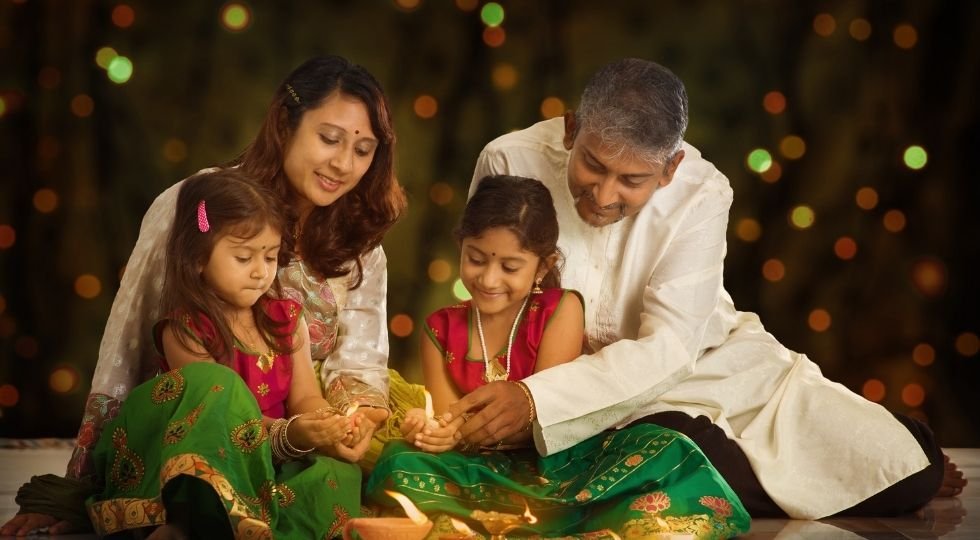
Raising children abroad comes with many opportunities, but it also brings important cultural questions for Non-Resident Indian families. Parents often wonder how to help their children stay connected to Indian traditions, languages, values, and identity while growing up in completely different social and cultural environments.
For many NRI families, the concern is not about forcing children to follow every traditional practice. Instead, it is about helping them develop a meaningful understanding of where they come from, what Indian culture represents, and how they can feel emotionally connected to their roots without confusion or pressure.
Children growing up outside India are influenced by multiple cultures simultaneously. Their schools, friendships, media exposure, and social experiences may differ significantly from the cultural upbringing their parents experienced.
Helping children stay connected to Indian culture therefore requires balance, consistency, openness, and thoughtful parenting rather than strict cultural enforcement.
Understanding how NRIs can support cultural connection helps families raise confident children who can appreciate both their global environment and Indian heritage comfortably.
Why Cultural Connection Matters for NRI Children
Cultural identity plays an important role in emotional development and self-understanding.
Children who understand their family history, traditions, and cultural background often develop:
- Stronger self-confidence
- Better emotional grounding
- Greater family connection
- Broader worldview
- Respect for diversity
For NRI families, cultural connection also helps children understand:
- Family values
- Traditions
- Language roots
- Social customs
- Intergenerational relationships
Cultural awareness can help children avoid feelings of disconnection or identity confusion later in life.
At the same time, maintaining cultural connection should support emotional belonging rather than create pressure or guilt.
Creating a Positive Cultural Environment at Home
Home is usually the strongest influence on cultural learning for children abroad.
Children naturally absorb habits, language patterns, food traditions, celebrations, and emotional values from daily family life.
Parents can create cultural familiarity through:
- Indian meals
- Family conversations
- Traditional celebrations
- Music and storytelling
- Respectful family interactions
Children often connect more deeply to culture through everyday experiences rather than formal teaching.
Consistency matters more than perfection.
Small regular experiences can create stronger emotional connection than occasional large cultural events.
Speaking Indian Languages at Home
Language is one of the strongest carriers of cultural identity.
Many NRI parents try to help children learn languages such as:
- Hindi
- Tamil
- Telugu
- Bengali
- Punjabi
- Gujarati
- Malayalam
- Kannada
- Marathi
Children do not necessarily need perfect fluency to maintain cultural connection.
Even partial understanding of family language can help children:
- Communicate with grandparents
- Understand traditions
- Feel emotionally connected
- Develop cultural familiarity
Parents often succeed better when language learning feels natural and conversational rather than forced.
Simple daily communication patterns are usually more effective than strict language correction.
Celebrating Indian Festivals Meaningfully
Festivals provide children with memorable cultural experiences.
Celebrations such as:
- Diwali
- Holi
- Navratri
- Eid al-Fitr
- Pongal
- Onam
help children associate Indian culture with joy, togetherness, food, storytelling, and community.
Parents can explain:
- The meaning behind festivals
- Historical stories
- Regional traditions
- Family customs
Children often engage more positively when celebrations feel interactive, fun, and emotionally warm.
Festivals can become opportunities for cultural bonding rather than rigid tradition enforcement.
Teaching Culture Through Stories
Storytelling is one of the most effective ways to pass cultural knowledge across generations.
Indian stories from:
- Folklore
- History
- Mythology
- Family experiences
- Freedom movement narratives
help children understand values and traditions naturally.
Stories about:
- Courage
- Compassion
- Respect
- Community
- Responsibility
often leave lasting emotional impressions on children.
Parents can use books, animations, bedtime stories, and conversations to make Indian culture relatable and engaging.
Encouraging Relationships With Grandparents
Grandparents often play an important role in cultural continuity for NRI families.
Regular interaction with grandparents helps children connect with:
- Family traditions
- Native languages
- Personal family history
- Emotional values
Video calls, family visits, storytelling sessions, and shared celebrations strengthen intergenerational bonds.
Children who maintain strong grandparent relationships often develop deeper appreciation for their cultural background.
Emotional connection is usually more powerful than formal cultural instruction.
Introducing Indian Music and Arts
Music, dance, and art can help children connect emotionally with culture in enjoyable ways.
Parents may introduce:
- Classical music
- Bollywood songs
- Folk traditions
- Traditional dance forms
- Regional art styles
Participation in music or dance classes can help children:
- Build confidence
- Develop cultural familiarity
- Engage socially with other Indian-origin children
Creative cultural experiences often feel more natural and enjoyable than purely academic learning.
Making Indian Food Part of Daily Life
Food is one of the most accessible and emotional aspects of cultural identity.
Indian meals introduce children to:
- Family traditions
- Regional diversity
- Cultural memories
- Shared experiences
Cooking together can also become a cultural learning activity.
Parents may involve children in:
- Festival cooking
- Family recipes
- Regional dishes
- Traditional sweets
Food-based experiences often create positive cultural association without pressure.
Children may appreciate cultural identity more when it feels connected to comfort, warmth, and family bonding.
Visiting India Regularly
Visits to India can significantly strengthen cultural connection.
Children experience:
- Extended family relationships
- Local traditions
- Regional languages
- Indian social environments
- Cultural diversity
Travel helps children understand that India is not only an abstract identity but also a lived social reality.
Visits become more meaningful when families allow children to:
- Explore freely
- Ask questions
- Participate naturally
- Observe different lifestyles
Positive travel experiences help children build personal connection with India rather than inherited obligation.
Avoiding Cultural Pressure and Guilt
One of the biggest mistakes some families make is presenting culture through pressure, comparison, or guilt.
Children may resist cultural connection if they constantly hear messages such as:
- “You are forgetting your roots.”
- “You are becoming too Western.”
- “Indian children should behave differently.”
Fear-based cultural parenting often creates emotional distance instead of belonging.
Children connect better when culture is presented with:
- Openness
- Curiosity
- Respect
- Flexibility
Healthy cultural identity grows through emotional safety rather than forced obedience.
Encouraging Questions About Identity
Children growing up abroad may naturally ask questions about:
- Race
- Identity
- Belonging
- Religion
- Family traditions
Parents should encourage honest and calm discussions rather than dismissing confusion.
Children benefit when parents acknowledge that:
- Mixed identities are normal
- Cultural adaptation is complex
- Multiple identities can coexist comfortably
Helping children feel accepted in both worlds improves emotional confidence and self-understanding.
Building Community Connections
Community exposure helps children see Indian culture as a living social experience rather than only a family expectation.
NRI families may participate in:
- Cultural associations
- Religious gatherings
- Community festivals
- Language classes
- Youth programs
Children often feel more comfortable when they meet peers with similar multicultural experiences.
Community environments also reduce feelings of cultural isolation.
Teaching Values Instead of Only Rituals
Indian culture is not limited to festivals, clothing, or rituals alone.
Many parents focus on passing values such as:
- Respect for elders
- Family responsibility
- Hospitality
- Compassion
- Education
- Community support
Children often understand culture more deeply when they see these values practiced consistently at home.
Values-based learning feels more meaningful than rule-based cultural instruction.
Helping Children Understand India’s Diversity
India is extremely diverse culturally, linguistically, and socially.
Children should understand that Indian culture includes many:
- Religions
- Languages
- Food traditions
- Regional identities
- Historical influences
Avoiding overly narrow definitions of “real Indian culture” helps children appreciate complexity and inclusiveness.
Cultural openness encourages broader understanding and respect for diversity.
Balancing Integration and Cultural Identity
NRI children should not feel forced to choose between cultures.
Healthy identity development allows children to:
- Integrate into local society
- Maintain Indian heritage
- Develop independent perspectives
Children benefit when parents avoid presenting cultural identity as a conflict.
Balanced parenting helps children feel comfortable participating in both global and Indian cultural spaces confidently.
Using Technology for Cultural Learning
Technology offers many tools for cultural connection.
Children can access:
- Indian movies
- Educational videos
- Language learning apps
- Music platforms
- Virtual storytelling sessions
Digital platforms help maintain cultural exposure even when families live far from Indian communities.
However, parents should focus on meaningful engagement rather than passive screen consumption alone.
Encouraging Reading About Indian History and Culture
Books can help children understand India beyond stereotypes or simplified narratives.
Age-appropriate reading may include:
- Indian history
- Biographies
- Folk stories
- Regional literature
- Contemporary Indian authors
Reading encourages curiosity and deeper cultural understanding.
Children often engage more strongly when learning materials are relatable and modern rather than overly formal.
Supporting Emotional Belonging
Children ultimately stay connected to culture when they associate it with emotional warmth and belonging.
Positive cultural experiences include:
- Family bonding
- Shared traditions
- Open conversations
- Respectful parenting
- Joyful celebrations
Children who feel emotionally secure are more likely to embrace cultural identity voluntarily.
Connection grows naturally when culture becomes part of loving family experiences.
Challenges Faced by NRI Parents
Many NRI parents face practical challenges while raising culturally connected children.
Common concerns include:
- Language loss
- Peer influence
- Cultural misunderstanding
- Generational differences
- Limited time
- Geographic isolation
Parents may also struggle with balancing:
- Academic expectations
- Social integration
- Cultural teaching
- Emotional flexibility
No family handles cultural connection perfectly.
Adaptation and consistency matter more than rigid cultural expectations.
Cultural Identity During Teenage Years
Teenage years can become especially complex for identity development.
Adolescents may question:
- Family expectations
- Cultural practices
- Social belonging
Parents should avoid reacting with fear or anger when teenagers explore identity independently.
Respectful communication helps teenagers feel safe discussing cultural confusion openly.
Supportive parenting during adolescence often strengthens long-term cultural connection.
Importance of Leading by Example
Children learn culture more through observation than instruction.
Parents who demonstrate:
- Respect
- Cultural pride
- Curiosity
- Openness
- Emotional balance
often influence children more effectively than lectures or rules.
Children notice whether parents themselves maintain meaningful cultural relationships and values.
Authentic modeling creates stronger long-term influence.
Avoiding Cultural Perfectionism
Some families worry excessively about preserving every cultural practice exactly.
However, culture naturally evolves across generations and environments.
Children may connect differently through:
- Music
- Language
- Food
- Values
- Travel
- Friendships
Flexible cultural connection is usually healthier than rigid perfectionism.
What matters most is emotional connection and understanding rather than exact replication of upbringing experiences.
Long-Term Benefits of Cultural Connection
Children connected to their heritage often benefit through:
- Stronger identity confidence
- Better family relationships
- Cross-cultural understanding
- Broader worldview
- Emotional grounding
Multicultural children can develop unique strengths in empathy, adaptability, and communication.
Balanced cultural identity helps children navigate global environments with confidence and self-awareness.
Conclusion
Helping NRI children stay connected to Indian culture requires patience, consistency, emotional openness, and balance. Cultural connection grows strongest when children experience Indian identity through family warmth, meaningful traditions, language exposure, storytelling, values, community interaction, and positive emotional experiences.
Rather than forcing rigid cultural expectations, parents can create environments where children feel curious, comfortable, and emotionally connected to their roots while also integrating confidently into their local societies.
Indian culture is not only about rituals or external traditions. It is also about relationships, values, emotional belonging, diversity, and shared human connection.
Children who grow up with balanced cultural understanding often develop stronger confidence, broader perspectives, and healthier emotional grounding for life in increasingly global societies.
FAQs:
Cultural connection helps children build identity confidence, family relationships, emotional grounding, and cultural understanding.
Parents can use language, food, festivals, stories, music, travel, and family traditions to create natural cultural exposure.
No. Cultural connection works better through openness, emotional warmth, and positive experiences rather than pressure or guilt.
Full fluency is not always necessary, but language familiarity helps children connect emotionally with family and culture.
Grandparents strengthen cultural continuity through storytelling, language, emotional bonding, and family traditions.
Yes. Children can develop healthy multicultural identities when parents encourage balance and emotional security.