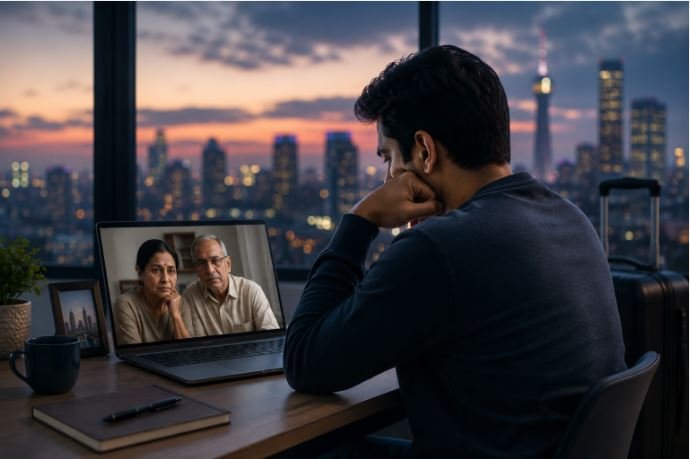
When a parent in Pune runs a fever at 2 a.m. and their child is in Toronto, the phone call that follows is rarely calm. For years, options were limited: wait for a relative nearby to check in, book an expensive last-minute flight, or trust whatever advice came secondhand. That gap is closing fast. Telemedicine for parents in India NRI families rely on has grown from a pandemic-era workaround into a real part of how aging parents get care between visits home. This guide looks at what actually changed, where remote consultations genuinely help, and where they still fall short.
Why More NRI Families Are Choosing Telemedicine for Aging Parents
Managing an elderly parent’s health from another country was always harder than managing your own. You don’t see the swelling in their ankles on a phone call. You don’t know if they actually took the evening dose. A missed follow-up appointment can go unnoticed for weeks, and by the time it’s mentioned, the condition has often moved on.
Telemedicine changes the shape of that problem. It doesn’t replace a doctor’s eyes, but it shortens the gap between a symptom appearing and a doctor weighing in. A remote doctor consultation for parents means a follow-up doesn’t have to wait for the next trip home. A worried parent can get reassurance, a prescription change, or a referral within hours instead of days.
This shift matters most for families already building structured systems around elderly care, where telemedicine becomes one piece of a bigger routine rather than a one-off fix. Our own guidance on structured elderly care planning for NRIs covers how remote consultation fits alongside caregiving, documentation, and emergency response.
What’s Actually Changed: The Rise of Remote Doctor Consultation for Parents
Smartphones Reached the Generation That Needed Them Most
Ten years ago, asking a 68-year-old parent to join a video call felt optimistic. Today, most urban and semi-urban elderly Indians own a smartphone, and many have already used one for a festival video call with grandchildren abroad. That everyday familiarity, small as it sounds, removed one of the biggest barriers to trying telemedicine in the first place.
Government Infrastructure Built the Rails
India’s national teleconsultation service, eSanjeevani, has processed a striking volume of consultations since its 2019 launch. One national analysis of the platform’s adoption, covering its rollout from November 2019 through September 2023, recorded over 163 million consultations across every state and union territory in the country. That scale pushed private hospitals and independent practitioners to build faster, more reliable video consultation India infrastructure of their own, because patients were already comfortable with the format by the time they walked in.
The Practice Became Legally Recognised
Doctors could not always advise a patient over video and stay clearly within professional rules. The Telemedicine Practice Guidelines, issued jointly by India’s health ministry and medical regulatory bodies, changed that by setting out exactly what a registered doctor can assess, prescribe, and document remotely. That single set of rules gave hospitals the confidence to formalise teleconsultation as a standing service rather than treat it as an emergency stopgap.
Hospitals Started Building for International Families Specifically
Older telemedicine setups assumed the patient and doctor were both sitting in India at the same hour. Newer systems are built with time-zone-aware scheduling, secure report sharing, and space for family members to join a single call from two or three different countries at once. This is the version of digital healthcare for elderly parents that actually works for NRI households, not just domestic patients.
How Video Consultation India Works for Elderly Parents in Practice
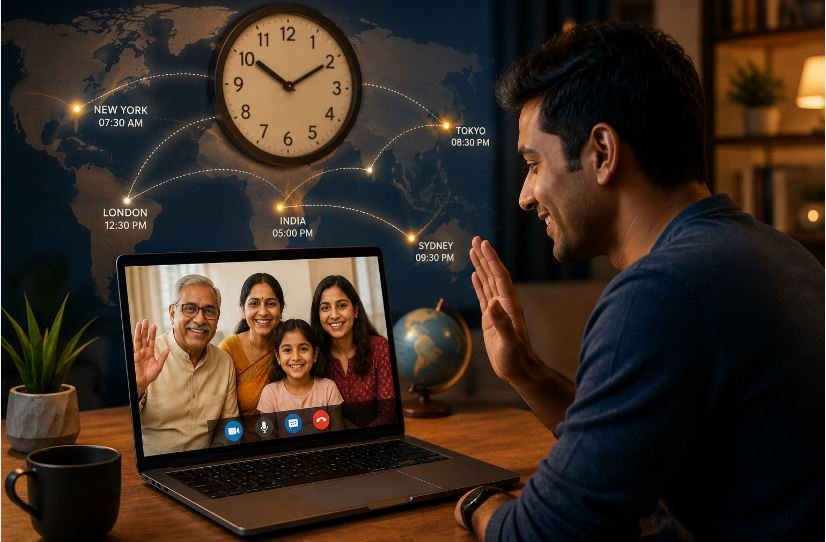
Scheduling Around Time Zones
Most platforms now let you book a slot that suits both the doctor’s Indian clinic hours and your evening in London, Dubai, or California, while the parent attends from home. Booking is usually done by the NRI child on the parent’s behalf, which quietly solves the tech-comfort problem at the source instead of leaving an elderly parent to navigate an unfamiliar app alone.
What to Prepare Before the Call
A useful consultation depends heavily on what’s ready beforehand: recent blood work, a current medicine list, and a short written summary of symptoms in the parent’s own words. Older patients sometimes underreport pain, dizziness, or confusion out of habit, so a family member’s notes can fill in gaps the parent won’t mention unprompted. Families managing this from a distance often keep a shared digital folder for exactly this reason, alongside the broader documentation and emergency contact systems they’ve already put in place.
Language and Communication
A remote doctor consultation for parents only works if the parent actually understands what’s being said. Look for platforms that offer consultations in the parent’s first language, or arrange for a local family member or caregiver to sit in and translate medical terms into plain language once the call ends.
What It Costs Compared to a Flight Home
A single teleconsultation typically costs a fraction of an emergency flight, and it doesn’t require anyone to take unplanned leave from work. That doesn’t make travel unnecessary when it’s genuinely needed, but it does mean routine concerns no longer force a choice between ignoring a symptom and booking an expensive last-minute ticket.
If you’re weighing whether a teleconsultation makes sense before your next trip to India, or before a parent undergoes any procedure, Morning Sun’s pre-travel teleconsultation service is built specifically around that decision point, connecting international patients and their families with doctors before any travel or treatment commitment is made.
Ready to see how a remote consultation could fit your parent’s care?
Digital Healthcare for Elderly Parents: Where It Genuinely Helps
Telemedicine isn’t a universal fix, but for a specific set of situations, it works well and consistently:
- Routine follow-ups for diabetes, hypertension, or thyroid conditions, where a doctor mostly needs recent numbers and a quick symptom check
- Medicine reviews, especially when a parent sees multiple specialists and no single doctor has looked at the full combined list
- Minor, non-urgent symptoms that need a same-day opinion on whether a hospital visit is actually necessary
- Mental health and loneliness check-ins, which matter more for elderly parents living alone than families often realise
- Post-discharge follow-up after a hospital stay, which helps catch complications early rather than at the next scheduled visit
These are exactly the situations covered in our aging and chronic care guidance, and they’re where a video call reliably replaces a long, tiring trip to a crowded outpatient department.
Where Telemedicine Falls Short
A screen cannot palpate an abdomen, listen properly for a heart murmur, or read a scan the way a radiologist reads it in person. Telemedicine also struggles with a few specific situations:
- New or unclear symptoms that genuinely need a physical exam to rule things out
- Anything involving surgery, invasive procedures, or a decision about hospital admission
- Real emergencies, where the right move is always the nearest hospital, not a video call
This is also exactly where getting a second opinion before agreeing to a major procedure matters most. Morning Sun’s second medical opinion service connects families with specialists who review reports and imaging remotely, so a parent doesn’t move ahead with surgery based on a single rushed conversation. Pairing that kind of review with clear emergency planning for aging parents covers both the routine and the urgent ends of care.
Facing a treatment decision and want a specialist to review it first?
Signs a Video Consultation Is Enough vs Signs You Need to Fly Home
It helps to have a rough mental checklist before a situation turns into a panic decision.
A video consultation is usually enough when the concern is a known, ongoing condition with stable symptoms, when it’s a medicine question or a report that needs a doctor’s read, or when a parent wants a second opinion on something a local doctor already flagged as non-urgent.
Flying home, or at least arranging an in-person visit through a local caregiver, makes more sense when there’s sudden confusion, chest pain, a fall, breathing difficulty, or any symptom that’s new, severe, and unexplained. It’s also the right call when a doctor has already asked for a physical exam and the family has been putting it off out of convenience rather than necessity.
Having this distinction written down somewhere, rather than worked out fresh during a stressful phone call, tends to lead to calmer, faster decisions.
Common Concerns NRIs Raise Before Trying Telemedicine
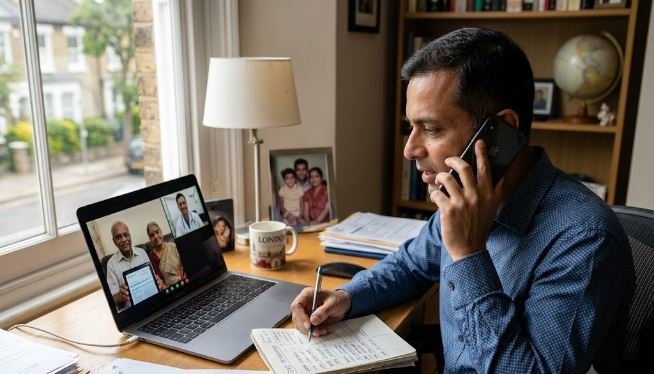
“Will the doctor really understand without examining my parent?”
A good teleconsultation doctor knows their own limits and will say plainly when an in-person visit is needed, rather than guessing through a video call to avoid a referral.
“Is my parent’s medical data safe on these platforms?”
Reputable services built under India’s telemedicine guidelines follow data protection protocols, but it’s still worth asking directly how call recordings, prescriptions, and reports are stored before the first appointment.
“What if the call drops or the connection fails mid-consultation?”
Most established platforms have a callback option or phone-based fallback built in for exactly this reason. It’s worth confirming this detail before you need it, not during a call that’s already struggling.
“Will my parent actually use this again on their own?”
Many won’t, at least not without help, which is why the first few consultations often go better when a family member or caregiver sits alongside the parent rather than expecting independence from day one.
Building a Reliable Remote-Care Routine Around Telemedicine
Telemedicine works best as one layer in a system, not as a standalone solution. A workable routine usually includes four parts:
- A local point of contact, whether a caregiver, neighbour, or relative, who can be physically present if a situation needs more than a phone call
- A shared, regularly updated file of medical records, test results, and current prescriptions
- A default teleconsultation provider the parent is already comfortable using, rather than searching for one for the first time during a crisis
- A clear escalation path that spells out exactly when a video call isn’t enough and a hospital visit is required instead
Families who put this structure in place tend to feel less anxious between visits home, because there’s a plan in place instead of a wait-and-see approach. Our broader guidance on how treatment actually works in India walks through how to build that escalation path in more practical detail, alongside day-to-day daily care and support planning for parents living independently.
Where Ayurveda and Lifestyle Support Fit Into Remote Elderly Care
Not every concern an aging parent raises needs a prescription. Joint stiffness, poor sleep, slow digestion, and general fatigue are common, low-grade complaints that often respond well to consistent lifestyle and Ayurvedic guidance, delivered the same remote way a medical teleconsultation is. Advik Ayurveda works with patients remotely on exactly these kinds of everyday, non-emergency concerns, which can sit alongside a parent’s regular medical care rather than replace it. For families exploring options beyond conventional consultations, it’s a reasonable second track to look into for chronic, non-urgent complaints that a busy hospital OPD rarely has time to address properly.
Curious how Ayurvedic guidance could support a parent’s everyday wellness?
Conclusion
Telemedicine hasn’t erased distance, but it has shortened the wait between a parent noticing something wrong and a doctor weighing in on it. Used well, alongside a local support system and a clear plan for emergencies, a remote doctor consultation for parents becomes a genuinely useful part of long-distance caregiving rather than a stopgap measure. If you’re still working out what a complete care system should look like for your family, our Parents & Aging support resources are a reasonable next stop.
Want help thinking through your family’s specific situation?
FAQs:
Yes. India’s Telemedicine Practice Guidelines formally allow registered doctors to consult remotely.
Yes, most platforms let you book and pay on your parent’s behalf remotely.
Chronic disease follow-ups, medicine reviews, and minor symptom checks work best.
No. Genuine emergencies always need the nearest hospital, not a video call.
Specialist teleconsultation services can review reports remotely before any procedure.
Reputable platforms follow data protection rules, but always confirm storage policies first.
External Resources
Set each link below to open in a new tab when publishing on WordPress: