
Every year, more Indian families abroad face the same hard question: who will look after Mum and Dad? For many, the answer is no longer a weekly video call. It is a one-way ticket home. The trend of NRIs returning to India for elder care is growing, and it is changing how families live across borders.
This guide explains why it is happening, what families are choosing, and how to plan well. It is written for NRIs, PIOs and other foreign-based families who have parents in India. If you are still deciding, start with the basics here. You can also keep DeshSansaar’s blog hub open for deeper reading as you go.
The Rise of NRIs Returning to India for Elder Care
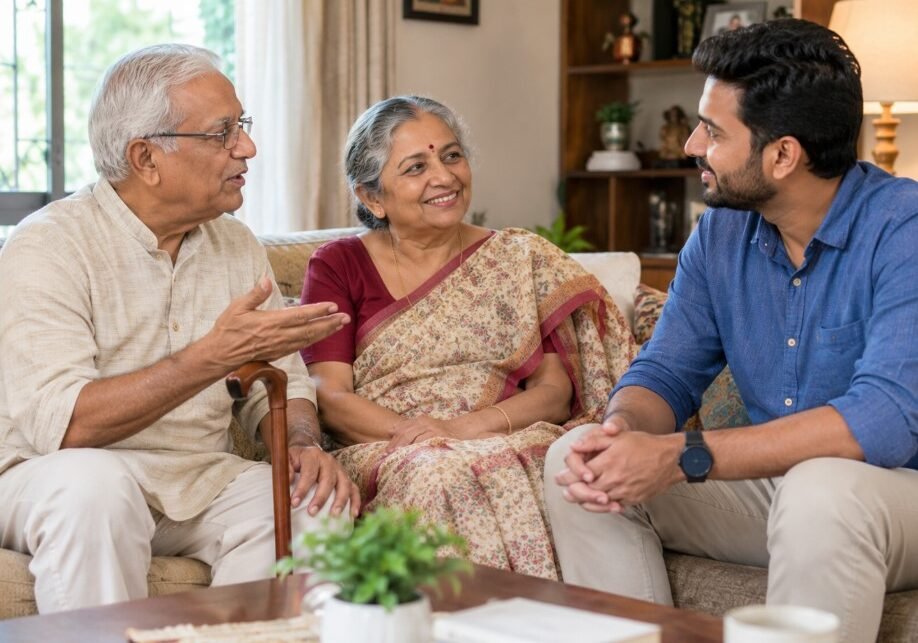
India’s older population is growing fast. Estimates backed by the United Nations suggest that about one in ten Indians is above 60 today. By 2050, that share could double. At the same time, millions of adult children live in the US, UK, Canada, Australia and the Gulf. These two facts meet in one place: a parent at home who needs help, and a child far away who wants to give it.
Not long ago, most NRIs sent money and visited once or twice a year. That model is breaking down. Parents are living longer. However, longer life often brings long-term conditions such as diabetes, joint pain and memory loss. A two-week visit cannot solve these. As a result, more families are asking where they should really live.
Who is coming back?
The returnees are not one type of person. Some are mid-career professionals who can work remotely. Others are early retirees. Some are couples who split the year between two countries. In many families, just one sibling returns and becomes the main caregiver. What they share is a clear goal: to be present when it matters.
How this wave is different
Earlier waves of return were about jobs, business and property. Today’s wave is about people. Families are not chasing a bigger salary. Instead, they are choosing time with ageing parents. That change in purpose also changes the questions they ask. They want to know about doctors, daily help, safety and peace of mind.
Reverse Migration NRI Elder Care: Five Reasons Behind the Shift
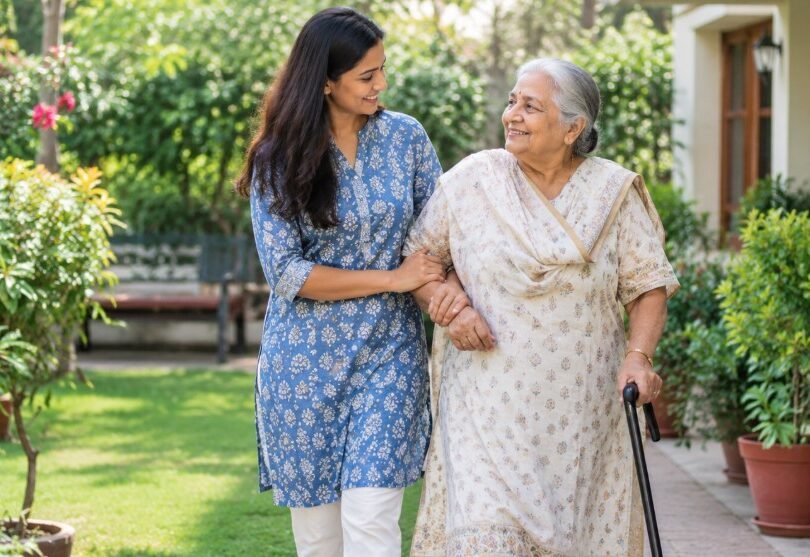
Reverse migration for elder care does not happen overnight. It usually builds over several years. Here are the five reasons families mention most often.
1. Distance has become too stressful
A fall, a hospital stay or a sudden illness can strike at any hour. When you live 10,000 kilometres away, you cannot reach your parent in time. Flights are costly, visas take time and leave is limited. Over the years, this constant worry wears families down. Many say the fear of the “midnight call” is what finally pushed them to move.
2. Elder care abroad is expensive and often impersonal
Some families first try bringing parents overseas. Others look at care homes or paid carers abroad. The bills can be high, and the service can feel formal and distant. In India, home-based help is easier to arrange and usually costs far less. For example, a trained attendant, a visiting nurse and a physiotherapist can all come to the house. That keeps parents in a familiar space and keeps the budget under control.
3. Parents want to stay in their own home and culture
Most elders do not want to leave the neighbourhood they know. They have friends, temples, local shops and a daily rhythm. They speak their own language all day. Moving them to a cold country can lead to loneliness, especially in winter. Because of this, many parents politely refuse to relocate. The child then decides to move instead.
4. Remote work has changed the maths
Since 2020, many employers have accepted remote and hybrid work. A software lead in Seattle or an analyst in London can now work from Pune, Hyderabad or Kochi. Time zones are tricky, but they are manageable. Therefore, “moving back for parents” no longer means giving up a career. For many, it means rearranging it.
5. Indian cities now offer better care options
Large Indian cities have strong hospitals, diagnostic labs and home-care companies. Telemedicine has also spread. At the same time, interest in traditional systems is rising, including Ayurveda for ageing joints, sleep and digestion. If you are curious, our Ayurveda guidance for families explains how these approaches can sit alongside modern medicine.
Planning a move for your parents?
Start with real, practical advice.
Moving Back for Parents: Four Models Families Use
There is no single right way to do this. Families pick the model that fits their work, money and the parent’s needs. Here are the four most common ones.
Full return to India
The whole family relocates. Children enrol in Indian schools or international schools, and the working adult finds a local or remote job. This model gives the parent the most daily support. However, it is also the biggest life change, so it needs careful planning of finances, housing and schooling.
Split-year living
Some NRIs spend four to six months in India and the rest abroad. This works well when parents are fairly independent but need regular check-ins. It also lets you test life in India before committing. Remember that long stays can affect your tax residency, so speak to a qualified adviser first.
One sibling returns
In larger families, one child moves back while the others share the cost and visit often. This can work well if everyone agrees on roles. Without that agreement, the returning sibling may feel alone and the others may feel left out. Clear, honest talk is the fix.
Parents stay, and support is built around them
Some families do not move at all. Instead, they build a support system in India: a trusted local relative, a care manager, regular health checks and a daily helper. This is less dramatic than a full return. It is also a smart first step. You can learn about treatment options and care pathways in India before deciding on a bigger move.
NRI Family Reunification: The Emotional Side
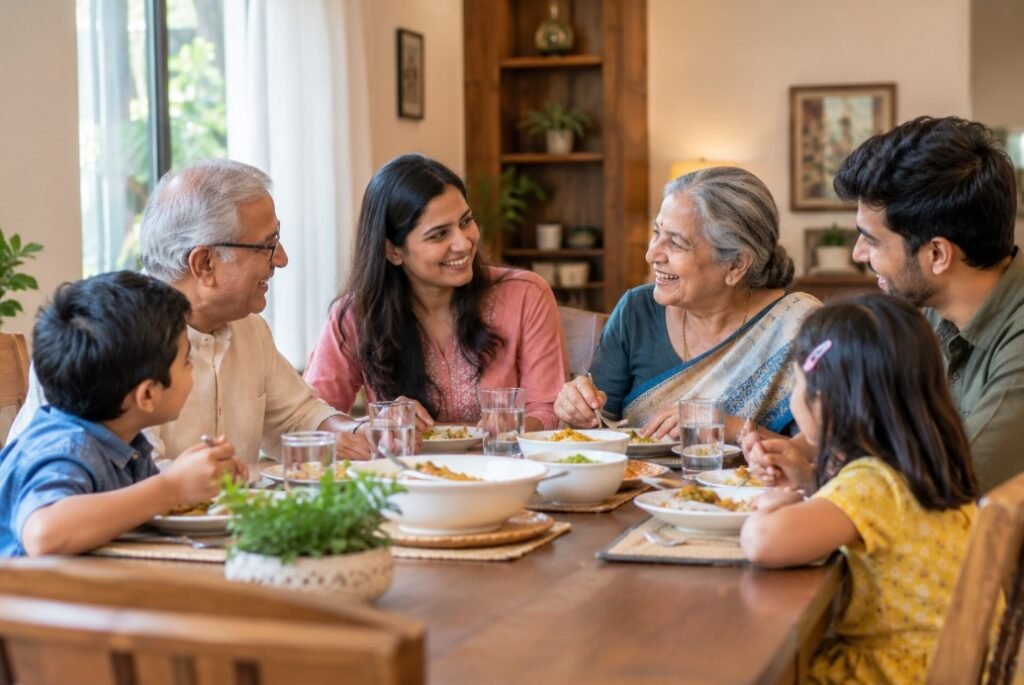
Numbers and plans matter, but feelings drive most decisions. NRI family reunification is about closing a gap that has grown for years. Parents miss grandchildren. Children miss the ease of home food, festivals and family. When you live abroad, birthdays and weddings pass by on a screen.
Returning can heal some of that. Grandchildren build a bond with their grandparents. Parents feel useful again, telling stories and sharing recipes. Children often say they feel calmer simply knowing they are nearby. Even so, reunification is not always easy. Adults who have lived abroad for 15 or 20 years may find that habits have changed on both sides.
To make it smoother, set small ground rules early. Decide who handles money, who manages doctor visits, and who gets time off. Also, give your parents a voice. They are partners in this plan, not a problem to solve. Respect for their independence is the best foundation for a happy home.
Healthcare and Daily Care Support in India

Before you move, understand what care looks like on the ground. Indian healthcare is a mix of excellent and uneven. The key is to know where to look and what to expect. Our honest look at the healthcare reality in India covers both strengths and gaps.
Everyday support at home
Daily help can include a live-in attendant, a part-time nurse, meal support, physiotherapy and regular check-ups. Many families also set up simple safety steps: grab bars, non-slip floors, good lighting and emergency numbers on the fridge. Small changes prevent many falls. For more ideas, browse our daily care support resources.
Chronic conditions and long-term care
Conditions like high blood pressure, diabetes, arthritis and early dementia need steady routines. Medicines should be tracked. Appointments should be booked in advance. Records should be stored in one folder, both paper and digital. If a parent needs a longer recovery or rest, a wellness stay can help. For instance, you can explore Ayurveda wellness centres across India that offer supervised programmes for older adults.
Healthy ageing and comfort
Good sleep, light movement, clean food and calm routines matter as much as medicine. If your parents struggle with rest, this Ayurveda sleep guide for NRIs offers simple habits to try. Skin also becomes dry and sensitive with age, so many families look for gentle options such as mild skincare for sensitive, mature skin when planning daily comfort.
Want more guides on keeping your parents healthy and comfortable?
A Practical Checklist Before You Move Back

A good plan lowers stress. Use this checklist as a starting point and adjust it for your family.
- Talk to your parents first. Ask what they want, fear and expect. Write it down.
- Get a full health review. Book a check-up and list all conditions, medicines and doctors.
- Check your legal status. Overseas Citizen of India (OCI) holders and Indian passport holders have different rules. Confirm what applies to you.
- Understand tax and residency. The number of days you stay in India can change your tax status. A qualified chartered accountant can guide you.
- Review insurance. Check your parents’ health cover, and see what your own foreign policy will or will not cover in India.
- Prepare the home. Make bathrooms and stairs safer. Plan for a spare room for a carer if needed.
- Build a local team. Find a family doctor, a nearby hospital, a pharmacy that delivers and a reliable helper.
- Try a trial stay. Live in India for two or three months before you decide on a permanent move.
If you have questions that these steps do not cover, you can reach the DeshSansaar team and share your situation. Every family’s case is different, and a little guidance early on saves time later.
Common Challenges and How to Handle Them
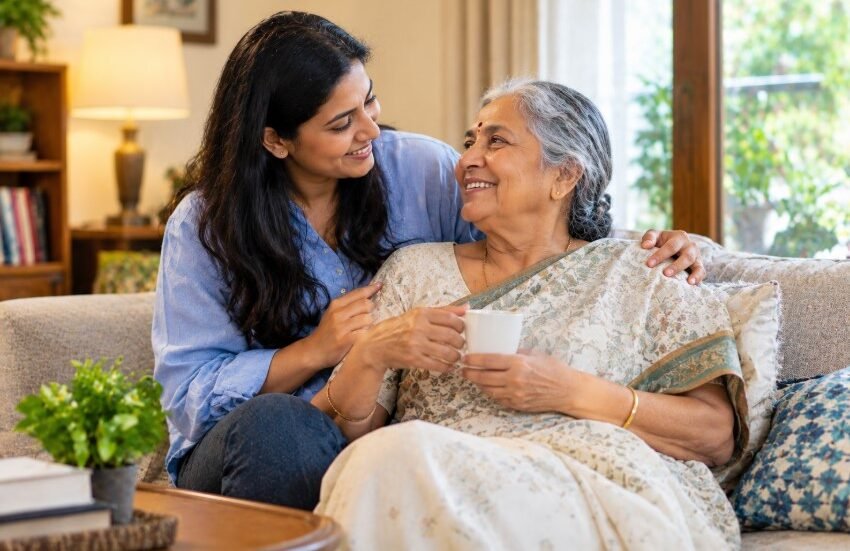
Returning for elder care is rewarding, but it is not free of problems. Knowing them in advance helps you stay calm.
First, there can be culture shock. After years abroad, small things like traffic, noise or slow paperwork can feel tiring. Give yourself time to adjust. Second, there may be career gaps. Plan your income for the first year, and keep your professional network active. Third, caregiver burnout is real. Looking after a parent daily is demanding. Share tasks, hire help, and take breaks without guilt.
Finally, expect some friction with relatives and with your own spouse or children. They are adjusting too. Hold family meetings, listen well and revisit your plan every few months. In addition, build in a safety net: keep some savings abroad and keep your options open for a while.
Some families also look beyond basic care to long-term vitality. Programmes focused on longevity and healthy ageing can help parents stay active and independent for longer, which eases the load on everyone.
How to Begin Your Elder Care Plan
You do not need to decide everything today. Start small. This week, talk to your parents. This month, set up a medical folder and a local support contact. Within three months, plan a longer visit to see how daily life works. Read widely, ask questions and learn from others who have done this. To understand who we are and why we write on these topics, visit about DeshSansaar. If the Ayurveda side interests you, read how Ayurveda is gaining popularity in the West and why many NRIs now see it as part of healthy ageing.
Conclusion
NRIs returning to India for elder care are not running away from their lives abroad. They are choosing what matters most at a certain point in time. With clear talk, smart planning and the right support, moving back for parents can bring comfort to everyone. Take one small step today, and let the next one follow.
Ready to take the first step?
Follow our step-by-step guides.
FAQs:
Many want to be close to ageing parents, cut care costs, and avoid distance-related stress and emergencies.
It can be, if parents agree, finances are planned, and you try a trial stay first.
Yes. Many NRIs work remotely from India, though time zones and employer rules need checking first.
Generally yes. Home attendants, nurses and physiotherapy usually cost much less, though quality and costs vary by city.
It can. Days spent in India affect residency, so consult a qualified chartered accountant before moving.
Respect their choice. Build local support: a trusted helper, regular check-ups, and frequent family visits.