
Living abroad changes how you handle small health problems. Back in India, a grandmother’s remedy was one phone call away. Overseas, a stuffy nose at midnight or a stomach upset before a work trip can feel harder to manage without that support system.
This is why so many NRI households quietly rebuild their parents’ kitchen wisdom in their own homes abroad. Ayurveda home remedies for NRI households are not about replacing doctors. They are about handling everyday discomfort with ingredients most Indian kitchens already have, before it turns into something bigger.
This guide walks through practical, low-risk remedies for common issues, how to build a small home apothecary, and where the line sits between home care and professional help.
Prefer ready-made, toxin-free Ayurvedic formulations over DIY mixing?
Why Every NRI Household Needs an Ayurveda First Aid Shelf
Urgent care visits abroad are expensive and slow. A simple cold can mean a co-pay, a wait, and a prescription for something your body might have handled with rest, fluids, and the right spice.
Basic ayurvedic remedies at home give you a first response option. They will not treat serious illness. What they do well is manage minor, recurring issues: indigestion after a heavy meal, a scratchy throat during winter, restless sleep after a long flight, or dry skin in a cold climate.
For NRI parents raising children abroad, there is another reason this matters. Passing on these small rituals is one way to keep a connection to home alive. A child who grows up watching turmeric milk being made before bed carries a piece of that household culture with them.
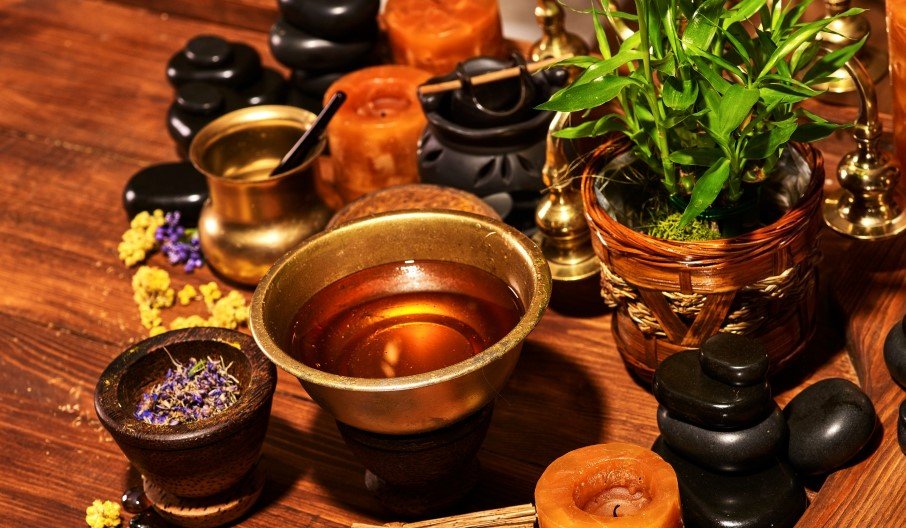
Building a Simple Ayurveda Home Remedy Kit
You do not need a large collection. A handful of staples cover most common complaints.
Kitchen Staples Worth Keeping On Hand
- Fresh ginger – for digestion, nausea, and cold symptoms
- Turmeric powder – for inflammation, minor wounds, and immunity support
- Tulsi (holy basil) leaves or dried tulsi – for cough, cold, and stress
- Ajwain (carom seeds) – for bloating and gas
- Fennel seeds (saunf) – for digestion after meals
- Raw honey – for sore throat and cough, paired with warm water
- Cow ghee – for dry skin, dry nasal passages, and as a cooking base
- Cumin and coriander seeds – for digestive teas
Most of these are available at Indian grocery stores abroad, or through online retailers that ship internationally. Keeping them stocked means a remedy is often just a few minutes away.
Want more evidence-aware health guidance built for NRIs and foreigners?
Common Ailments and Their Ayurveda Home Remedies
Cold, Cough and Congestion
A classic first response is warm water with fresh ginger, a pinch of turmeric, and a spoon of honey once it cools slightly. For congestion, steam inhalation with a few crushed tulsi leaves can loosen a blocked nose. Golden milk — warm milk with turmeric and a pinch of black pepper — before bed is a household staple across most Indian families for a reason: it is gentle and easy to prepare.
Indigestion and Bloating
Heavy meals, unfamiliar food combinations, and irregular eating hours abroad often upset digestion. A cup of warm water with roasted cumin powder, or chewing a pinch of ajwain with warm water, is a common natural remedy for common ailments like bloating and gas. Fennel seeds after meals support digestion and freshen breath at the same time.
Jet Lag, Stress and Poor Sleep
Long-haul travel between your adopted country and India disrupts sleep cycles for days. Warm milk with a pinch of nutmeg, a short body massage with warm sesame oil, and a consistent wind-down routine can help the body reset faster. Tulsi tea in the evening is also used traditionally to calm the nervous system before sleep.
Minor Skin Dryness and Irritation
Cold climates and hard water abroad often leave skin dry and irritated. A thin layer of pure cow ghee on dry patches, or a paste of turmeric and gram flour rinsed off after ten minutes, are gentle, low-cost options many households already use. These are meant for mild, everyday dryness, not for diagnosed skin conditions.
Headaches and General Fatigue
A few drops of warm sesame or coconut oil massaged gently on the scalp and temples is a traditional way to ease tension headaches. Staying hydrated, along with a short break from screens, often resolves fatigue caused by long work hours and time-zone-shifted schedules. A short walk outdoors, even five minutes, tends to help more than another cup of coffee when the fatigue is caused by sitting still through back-to-back video calls.
Dry Cough and Throat Irritation From Dry Indoor Heating
Central heating during winters abroad dries out the throat and nasal passages far more than most Indian homes. A humidifier helps, but so does a warm gargle with turmeric and rock salt in water, done twice a day during peak winter. A spoon of honey with a few crushed black peppercorns before bed is another household favourite for a scratchy throat that will not settle.
Want more remedy-style routines for hair, scalp, and skin using Ayurvedic ingredients?
Simple Daily Habits That Prevent Small Problems
Remedies matter less when a household already follows a few basic Ayurvedic habits. These do not need any special ingredients, only consistency.
- Drink warm water through the day instead of cold water with meals. It supports digestion and is one of the easiest habits to adopt.
- Eat the main meal earlier in the evening. Late, heavy dinners are a common reason NRIs report bloating and poor sleep.
- Oil the scalp once a week. A short warm-oil massage before a wash day supports hair health more than any single remedy applied occasionally.
- Keep a fixed sleep and wake time, even across weekends. Irregular schedules caused by shift work or time-zone calls with India often trigger the fatigue many NRIs live with.
- Chew rather than rush meals. Eating at a desk between meetings is common abroad, but it is one of the biggest contributors to digestive complaints.
None of these habits require special shopping or preparation. They simply reduce how often a household needs to reach for a remedy in the first place.
Common Mistakes NRI Households Make With Home Remedies
A few habits reduce how effective these remedies actually are, or create new problems.
Treating every symptom the same way. A cough from a cold and a cough that lingers for three weeks are not the same thing. The second needs medical evaluation, not repeated home treatment.
Over-relying on one ingredient. Turmeric is useful, but taking large amounts daily “just in case” is not the same as using it as a mild, occasional remedy. More is not automatically better in Ayurveda.
Skipping medication because a remedy feels safer. Home remedies are meant to sit alongside medical advice, not replace a prescribed course of treatment, especially for chronic or diagnosed conditions.
Buying products with vague labelling. “Ayurvedic” on a label is not regulated everywhere the way it is in India. Ingredient sourcing and transparency matter more than packaging claims, particularly for oils and skincare bought abroad.
Ignoring interactions with existing medication. Certain herbs affect blood thinners, thyroid medication, and diabetes management. Always mention home remedies to your doctor, especially if you take regular prescriptions.
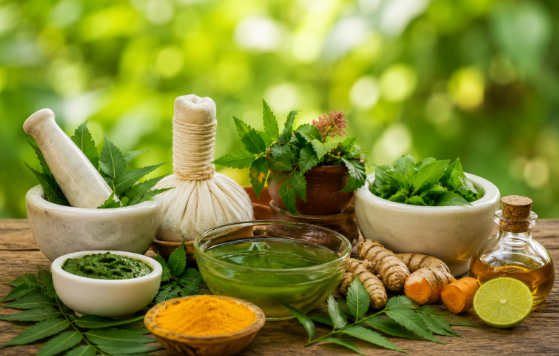
Ayurveda First Aid: What Belongs in a Small Home Kit
Think of this as the ayurveda equivalent of a first aid box, kept next to your regular medicine cabinet:
- Turmeric powder for minor cuts and inflammation
- Tulsi leaves or tea bags for cold season
- Ajwain for sudden stomach discomfort
- A small bottle of sesame or coconut oil for massage
- Raw honey for throat irritation
- Rock salt (sendha namak) for warm gargles
This kit is meant for mild, everyday situations. Persistent pain, high fever, breathing difficulty, or any symptom that worsens over 48 hours needs medical attention, not a home remedy.
Passing These Remedies Down to the Next Generation
Many second-generation children abroad only know Ayurveda as a wellness trend unless someone at home shows them otherwise. Involving kids in small rituals, like preparing turmeric milk together or explaining why grandma adds ajwain to warm water, keeps this knowledge practical rather than abstract.
Families who want to go deeper into these questions of identity and connection often look for structured guidance on raising culturally grounded children abroad, including thoughtful approaches to language, food, and daily rituals that carry meaning.
When Home Remedies Are Not Enough
Home remedies work well for mild, short-term discomfort. They are not a substitute for diagnosis or treatment of ongoing conditions such as chronic digestive disorders, skin conditions, hormonal imbalance, or persistent sleep problems.
If a family member is exploring a more structured Ayurvedic approach, such as a consultation-based plan for chronic stress, digestion, or sleep, working with a qualified practitioner is a safer route than self-treating with home ingredients alone. Programs built around ongoing, personalised Ayurveda coaching can offer that structured support for people managing long-term issues rather than one-off symptoms, which is worth exploring before assuming a kitchen remedy will fix a recurring problem.
It also helps to understand how Ayurvedic treatment actually works in India before committing time or money to it. Our guide on evaluating Ayurveda treatment and practitioners walks through what responsible care looks like, what questions to ask, and how to avoid being misled by marketing.
Considering a more guided, professional Ayurveda plan for a chronic issue?
Sourcing Genuine Ayurveda Ingredients and Products Abroad
Finding pure, unadulterated turmeric, authentic sesame oil, or additive-free herbal products can be harder outside India. Adulteration and inconsistent quality are real concerns with imported herbs bought from unfamiliar sellers.
For remedies that go beyond the kitchen, such as natural oils for hair fall, dry scalp, or skin dullness, it helps to use brands that publish their ingredient sourcing clearly rather than vague “Ayurvedic” labelling. Toxin-free, natural skincare and haircare built on traditional Ayurvedic ingredients is a practical option for households who want remedy-grade products without formulating everything at home.
Conclusion
Ayurveda home remedies are not about rejecting modern medicine. They are about using simple, time-tested tools for the small discomforts that do not need a clinic visit. For NRI households, keeping a few staples on hand also keeps a thread of home alive in a kitchen thousands of miles away. Know their limits, use them sensibly, and lean on professional guidance when a problem goes beyond what turmeric and ginger can fix.
FAQs:
Mild remedies like turmeric milk are generally safe; check with a paediatrician for infants or existing conditions.
No. They support mild, everyday issues, not diagnosed conditions needing prescribed treatment.
If symptoms persist beyond 48 hours or worsen, consult a doctor promptly.
Indian grocery stores abroad, trusted online retailers, and verified Ayurvedic wellness brands.
Many households find it soothing for mild symptoms, though results vary by individual.