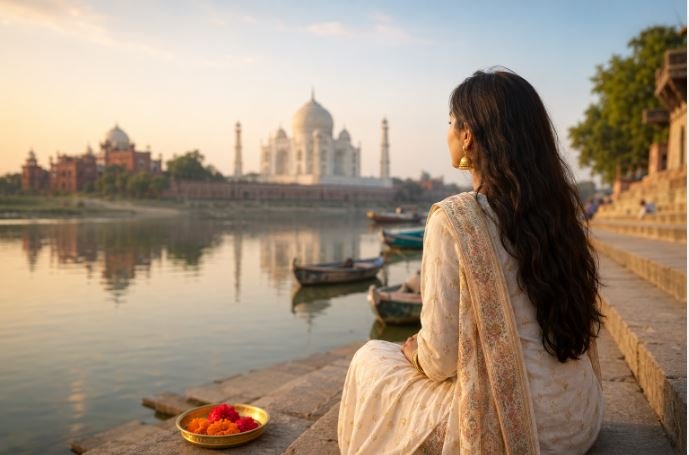
Somewhere in their late twenties or early thirties, many second-generation NRIs hit the same quiet realisation: they know less about India than they thought they did. They can order food at an Indian restaurant, recognise a few festivals, and maybe understand a little of their parents’ mother tongue. But the deeper thread, the one their grandparents lived and their parents carried across an ocean, feels thin.
This is not a crisis. It is the starting point for something a lot of second-generation NRIs go through: a second, more deliberate relationship with India, built on their own terms rather than their parents’ expectations.
Second generation NRI reconnecting with roots is less about “becoming Indian again” and more about figuring out which parts of that identity were always theirs, even when they didn’t have language for it.
Why the Disconnect Happens in the First Place
Growing up Indian abroad rarely comes with a manual. Parents are often focused on the practical work of settling in, building a career, and giving their kids a stable, comfortable childhood. Culture gets passed down in fragments: a festival here, a phone call to grandparents there, food at home that doesn’t quite match what’s served at family functions in India.
Meanwhile, school, friendships, and the surrounding culture shape a child’s daily identity far more directly than occasional trips or festivals do. By the time many second-generation NRIs reach adulthood, India has become a place associated with relatives, holidays, and half-understood traditions, rather than something lived and felt.
This is not a failure of parenting. It is simply what happens when identity is built across two very different environments, one at home and one everywhere else.
Want more perspectives on culture, belonging, and raising grounded kids abroad?
The Moments That Usually Trigger Reconnection
Reconnection rarely happens gradually. It tends to arrive through a specific moment.
A grandparent’s death. Losing the generation that held the most direct memory of India often creates an urgent sense that something is slipping away, and needs to be actively held onto now.
Becoming a parent. Many second-generation NRIs only start asking serious questions about heritage once they imagine passing something down to their own children, and realise how little they have to pass on.
A trip to India as an adult, rather than as a child dragged along by parents, often reframes the entire relationship. Visiting on your own terms, curious rather than obligated, changes what the place means.
A moment of feeling foreign in your own country of birth. For many, an experience of subtle exclusion or being asked “where are you really from” pushes them to explore the identity they had been keeping at arm’s length.
What Reconnecting Actually Looks Like
Language, Even Imperfectly
Many second-generation NRIs start with language, not to become fluent, but to feel less like an outsider in their own family conversations. Even basic phrases, understood rather than spoken fluently, change how family gatherings feel. Apps and casual practice matter less here than consistent, low-pressure exposure: listening to parents speak, watching films with subtitles, or asking grandparents to tell stories in their native language instead of translating everything into English.
Food as a Direct, Physical Connection
Food tends to be one of the easiest entry points, because it does not require vulnerability the way language or conversation does. Learning to cook a grandmother’s recipe, even badly at first, creates a tactile connection that no amount of reading about India can replicate. Many second-generation NRIs describe cooking as the moment culture stopped being abstract and started being something they could taste, smell, and recreate.
Small Household Rituals
Reconnection often shows up in quiet domestic habits rather than grand gestures: lighting a diya during Diwali without being told to, keeping a jar of home spices stocked the way a parent always did, or picking up a grandmother’s habit of an oil massage before a bath. These small, repeated actions carry culture in a way that feels personal rather than performative.
Travel With Intention
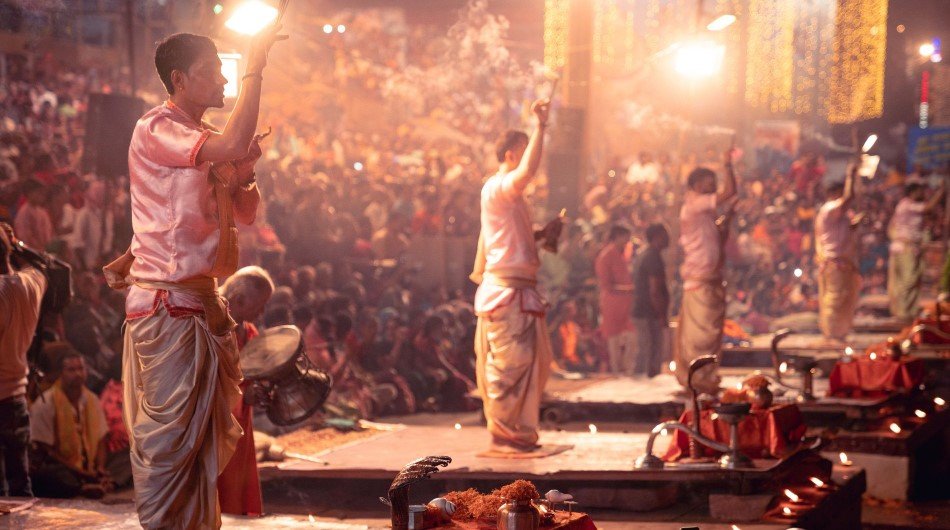
A trip to India planned as an adult, with time built in beyond family obligations, tends to shift things the most. Spending unhurried time in a grandparent’s hometown, visiting a temple without rushing, or simply sitting with extended family without an agenda gives space for identity to settle rather than perform.
Timing this kind of trip around a festival or family season, rather than squeezing it into a generic holiday slot, tends to make the experience feel less like a checklist and more like participation. Some second-generation NRIs also build in a few unhurried days at the end of a family visit, using them for a wellness or Ayurveda-focused stay that gives the body and mind time to actually absorb the trip, rather than flying home the moment obligations end.
Thinking about timing a trip to India around a festival or family season?
NRI Kids Identity: Why the Next Generation Is Watching Closely
Second-generation NRIs who become parents themselves often find that their own reconnection accelerates once they start raising children abroad. Watching a child ask basic questions about India, festivals, or family history has a way of surfacing gaps the parent didn’t know they had.
This is also where the cycle can shift. A parent who consciously reconnects with their own roots tends to pass on something more grounded to their children, not out of guilt or nostalgia, but because the identity feels lived-in rather than borrowed. Understanding how this plays out across a household is worth exploring further if you are raising children with a foot in two cultures, through our guides on cultural identity for children and language and roots for children.
Finding Community, Not Just Culture
Reconnection is harder to sustain alone. Many second-generation NRIs find that joining a community, whether a classical dance class, a cultural association, a language exchange group, or simply a circle of friends going through the same process, makes the effort feel less like homework and more like belonging.
This matters because reconnecting in isolation can start to feel performative, something done for an imagined audience rather than for yourself. A community turns it into something shared. Swapping stories with someone else figuring out the same questions, whether it is how to pronounce a grandparent’s name correctly or how to explain a festival to a partner from a different background, normalises the process instead of making it feel like a private project.
Reconnecting Through Food, Skincare, and Everyday Rituals
Culture often survives in the smallest, most physical habits long after language and geography have drifted. Many second-generation NRIs describe rediscovering rituals their grandparents practiced without much explanation: an oil massage before a wash day, a particular spice added to tea when someone feels unwell, a specific way of tying a saree for a wedding.
Bringing these rituals back into daily life does not require a trip to India. Traditional, ingredient-led routines, such as the kind found in natural Ayurvedic skincare and haircare, offer a tangible way to reconnect with practices that were once just “what grandma did,” without needing to fully explain or justify them to anyone. For some, this rediscovery starts in the kitchen; for others, it starts with a bottle of oil that smells exactly like a childhood memory.
Diaspora Cultural Identity Is Not a Fixed Destination
One of the more freeing realisations many second-generation NRIs eventually reach is that diaspora cultural identity does not require choosing a side. You do not need to feel “fully Indian” or “fully local” to have a legitimate, complete identity. Most second-generation NRIs live comfortably in a version of Indian identity that their parents wouldn’t fully recognise and that people in India might not either, and that is not a compromise. It is simply what a diaspora identity looks like in practice.
This matters because a lot of the guilt around reconnection comes from an unspoken assumption that there is a “correct” amount of Indian-ness to reach. There isn’t. Reconnection is a direction, not a finish line.
Common Obstacles Along the Way
Feeling like an impostor. Many second-generation NRIs worry they will be judged for imperfect language or unfamiliarity with customs when visiting India or spending time with relatives. This fear is common and rarely matches how welcoming most family members actually are.
Parents who assumed the culture would simply transfer. Some parents feel hurt or confused when their adult children start asking questions they assume should have been absorbed automatically. Approaching these conversations with curiosity, rather than framing it as “what I missed out on,” tends to go better.
Overcorrecting into performance. Reconnection can sometimes tip into performing culture for others rather than genuinely exploring it. Slowing down and following personal curiosity, rather than a checklist, keeps it authentic.
Curious how other NRI families navigate culture, language, and belonging across generations?
Building a Reconnection That Actually Lasts
The second-generation NRIs who sustain a real connection to their roots, rather than a short burst of interest after a trip or a family event, tend to build small, repeatable habits rather than one-off gestures. A monthly video call with a grandparent focused on stories rather than logistics. A recipe added to a personal cookbook every few months. A yearly trip to India that isn’t only about visiting relatives, but about exploring a city or region on their own terms.
None of this requires grand declarations. It requires consistency, curiosity, and permission to get it imperfectly right.
Conclusion
Reconnecting with your roots as a second-generation NRI is rarely one dramatic moment. It is built from small, repeated choices: a recipe learned, a language practiced imperfectly, a trip taken with curiosity instead of obligation. There is no fixed amount of “Indian-ness” to reach, and no deadline to reach it by. The identity was always there. Reconnection is simply the act of paying closer attention to it.
FAQs:
Yes, it is extremely common and reflects how identity forms across two cultures.
Most people start with food or language, both low-pressure, tangible entry points.
No, understanding and basic phrases matter more than fluency for feeling connected.
Unhurried, self-directed trips often reshape how India feels, beyond childhood obligations.
Not necessarily; parents who actively reconnect often pass on a more grounded identity.