
Landing in India after five, ten, or twenty years abroad brings a strange kind of jet lag. Part of it comes from the flight. Part of it comes from realizing how much has changed since your last visit, and how much of your old packing list no longer applies. Should you carry heavy sweaters or light cottons? Do you need a suitcase full of medicines, or will your usual brands be sitting on a pharmacy shelf in Delhi? This guide covers what to pack visiting India from abroad, based on real climate patterns, document requirements, health needs, and daily life in India today, not the packing list your parents used in 2005.
Why Packing for India Feels Different After Years Away
Most people don’t struggle with packing itself. They struggle with outdated assumptions. If you left India a decade or two ago, your mental checklist is stuck in the past. Airports run differently now. Payments run differently now. Even the range of products sitting on Indian store shelves has changed. Add a first-time visit for your foreign-born children, and packing turns into planning for three versions of India at once: the one you remember, the one your relatives describe on video calls, and the one that actually exists today.
This guide is written for NRIs revisiting India after a long gap, foreign-born children of Indian families making their first trip, and foreign spouses or friends joining an Indian family for a wedding, a funeral, or a long-overdue visit. The goal isn’t a generic packing list. It’s a checklist built around the specific friction points that catch long-term expats off guard, whether you grew up in Houston, Toronto, London, or Dubai.
The stakes are also different this time around. A short holiday packing mistake is a minor annoyance. But a trip built around aging parents, a family wedding, or a property matter means a forgotten document or the wrong medication can turn into a real problem, not just an inconvenience. Treat this trip’s packing list as a planning exercise, not an afterthought squeezed into the night before your flight.
Start With Documents, Not Clothes
Clothes are replaceable. A missing document can cost you a day standing in a government office, or worse, delay a property or banking matter you flew in specifically to handle. Sort your paperwork before you even open your suitcase.
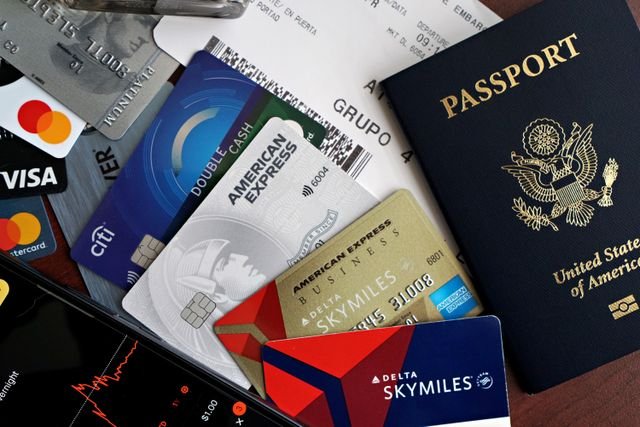
Papers Every Returning NRI Should Carry
Keep these in a single folder in your carry-on bag, never in checked luggage:
- A passport with at least six months of remaining validity
- Your OCI card or a valid visa, matched to your current passport number
- Two to four passport-sized photographs, since some offices still ask for physical copies
- Travel and health insurance documents
- Any signed authorizations if you’re managing property, inheritance, or banking matters for family while you’re there
If your trip involves signing a power of attorney, settling inherited property, or handling paperwork for aging parents, sort out your legal documents and power of attorney requirements before you land, not after. Indian offices rarely accept documents prepared incorrectly, and redoing them from abroad can take weeks.
Digital Backups Save You When Originals Get Lost
Scan every document and store copies in a cloud folder you can open without depending on strong wifi, a downloaded PDF on your phone works better than a link that needs a live connection. Share access with one trusted family member in India and one back home. If you haven’t dealt with Indian government processes in years, it helps to read up on how Indian bureaucracy actually works before you’re standing in a queue trying to figure it out in real time.
Not sure what else belongs on your pre-departure list?
Read Our Travel Checklist for a fuller breakdown built specifically for NRIs and their families visiting India.
Clothing That Matches India’s Real Climate, Not Your Memory of It
Layering for Multiple Cities and Seasons

India isn’t one climate. A trip that moves between Delhi, Kerala, and the hills can mean humidity, heat, and cold within the same week. Pack breathable cotton and linen as your base layer, add one light shawl or jacket for air-conditioned spaces and cooler evenings, and keep one modest outfit ready for temple visits or family functions where shoulders and knees should stay covered. Skip heavy synthetic fabrics. They trap heat and take forever to dry in humid regions.
Ayurveda paid attention to seasonal shifts long before climate adaptation became a wellness buzzword. If you want your body to settle in faster once you land, our guide to seasonal immunity and Ayurveda for global Indians is worth ten minutes before your flight.
What Not to Overpack
Long-gap visitors tend to overpack in three areas: winter wear for cities that barely dip below 15°C, formal outfits for events that turn out to be casual, and years’ worth of gifts that could just as easily be bought after landing. Indian malls and local markets now stock most global brands, so there’s rarely a reason to carry a suitcase of toiletries or snacks unless you have specific dietary or medical needs.
Health, Medicines and Skincare Essentials
Prescription Medicines and Health Records
Carry all prescription medicines in their original packaging, along with a signed prescription copy or doctor’s letter. This matters most for controlled substances, which can raise questions at customs without documentation. Pack enough medicine for your full trip plus a few extra days for delays, and keep a basic travel health kit on hand: oral rehydration salts, motion sickness tablets, an antiseptic, and any allergy medication you rely on.
If your visit also involves managing a parent’s ongoing treatment or getting your own health checkup done while you’re there, our guide on the healthcare reality in India explains what actually works differently from the systems you’re used to abroad, useful reading before you assume anything runs the way it does back home.
Skincare and Toiletries: Pack Light, Buy Local
Humidity and hard water hit differently than what your skin and hair are used to abroad. Instead of loading your suitcase with sunscreen, moisturizer, and haircare, many long-term travelers switch to lightweight, India-formulated skincare once they land. Ayurvedic ranges like Advik Ayurveda’s natural skincare and haircare products are built for Indian heat and humidity, which means you can pack less and still avoid the breakouts or dryness that catch first-time and returning visitors off guard.
Money Matters: Cash, Cards and Currency

Carry a small amount of Indian rupees for arrival, enough for a taxi, a local SIM card, and a meal, before you find an ATM or exchange counter. Inform your home bank about your travel dates so your cards aren’t blocked mid-trip, and carry a forex card as backup. Several UPI apps now support international phone numbers and foreign cards for short visits, which is worth setting up before you land rather than fumbling with it at a coffee shop counter.
If you’re planning to move money in either direction during this trip, sending funds home, repatriating rental income, or simply understanding which account type applies to you, our NRI banking and remittance guide covers the account types and transfer rules that are easy to get wrong from abroad.
Packing Tips If You’re Bringing Foreign-Born Kids or a Spouse
A first India trip for your children or your foreign-born spouse changes the packing math again. They won’t have the muscle memory you built up over childhood summers, so a few extra items save everyone a rough first week: broad-spectrum sunscreen, electrolyte packets for the heat, and simple modest outfits they can wear without a mid-trip shopping run. Pack a printed itinerary or a shared notes app entry with addresses in both English and the local script, since GPS pins alone can be confusing in smaller towns.
It also helps to prepare them mentally, not just physically. Traffic, crowd density, and constant social interaction with relatives can be overwhelming for someone experiencing India for the first time. A short conversation before departure about what to expect goes further than another item in the suitcase.
Gifts, Electronics and Practical Extras
A few small items make a bigger difference than people expect:
- A universal adapter and a power bank, since voltage and plug types still trip up returning visitors
- A reusable water bottle, ideally with a built-in filter, for cities where bottled water adds up fast
- Comfortable, broken-in walking shoes rather than brand-new ones
- Mosquito repellent, especially if your trip falls during the monsoon months
- Light, practical gifts. Cash or gift cards are often more welcome than heavy items that eat into your luggage weight
If Your Trip Includes Medical or Wellness Care
Flights to India aren’t cheap, so a growing number of NRIs combine a family visit with a dental procedure, a health checkup, or a stay at a wellness retreat while they’re already in the country. If that’s part of your plan, the paperwork goes beyond a standard tourist checklist.
MorningSun’s guide on documents needed for medical treatment in India walks through what international patients need beyond a visa, including medical records and consent forms.
If you’re leaning toward pairing your trip with some downtime rather than a procedure, their piece on combining a wellness retreat with a family vacation in India is a practical starting point for booking both without the logistics turning into a second job.
Planning a checkup, dental visit, or Ayurveda retreat alongside your family trip?
A Simple Packing Checklist to Follow
- Documents: passport, OCI or visa, photos, insurance papers, digital backups
- Clothing: breathable layers, one modest outfit, a light shawl, comfortable shoes
- Health: prescription medicines with documentation, a basic travel health kit, medical records if relevant
- Skincare: minimal toiletries, sunscreen for the flight, local Ayurvedic products once you land
- Money: small INR cash, a forex card, UPI set up in advance, bank travel notification sent
- Electronics: universal adapter, power bank, offline maps downloaded beforehand
- Extras: mosquito repellent, a reusable water bottle, light and practical gifts
Final Thoughts
Packing for India after years abroad isn’t about carrying more. It’s about carrying the right things and sorting your paperwork before your flight, not after. Documents open doors that clothes and gadgets can’t. Once those are handled, the rest of your packing gets a lot lighter, literally and otherwise.
Still building your pre-departure list?
Read Our Travel Checklist for a full NRI-focused breakdown you can follow step by step.
FAQs:
A valid passport, OCI or visa, photos, insurance papers, and digital backups of each.
Pack light layers. Buy heavy or occasion-specific items locally instead of carrying them.
Yes, in original packaging with a signed prescription copy for customs and refills.
Carry some INR cash plus a forex card. UPI now works for many foreign visitors too.
Pack minimal toiletries. Local Ayurvedic skincare often suits India’s climate better.
Carry medical records and confirm treatment-specific document requirements beforehand.