
Two people fall in love, or agree to an arranged match, and then discover the wedding was the easy part. The real negotiation starts after: whose family’s calendar of festivals gets followed, which parent gets called first with good news, and whose idea of “normal” becomes the default at home. For NRI couples, that negotiation runs across time zones, passports, and sometimes three countries’ worth of relatives with opinions.
NRI marriage cultural expectations rarely show up as one big argument. They show up in dozens of small ones — which language the kids should learn first, whether Diwali or Christmas gets the bigger celebration, how much say a mother-in-law gets over a video call. None of these questions have textbook answers. But they do have patterns, and knowing the patterns in advance saves a lot of arguments later.
Why Cultural Expectations Hit Harder in NRI Marriages
A couple who both grew up in the same city, going to similar schools, still argue about whose family traditions matter more. Add a second country, a different legal system, and parents who measure “settled” by very different standards, and the stakes go up.
Distance changes the emotional math too. A disagreement that would get resolved over Sunday lunch back home instead sits unresolved for weeks, because nobody wants to raise it during the one weekly call with parents. Small disagreements calcify into fixed positions simply because there was never a good moment to talk them through.
There’s also the question of who is expected to adjust. In many cross-cultural NRI marriages, one partner has already left behind a country, a job, and a support system to join the other. That imbalance doesn’t disappear just because both people love each other. It shows up later, in arguments that seem to be about something small — a recipe, a ringtone, a religious observance — but are really about who gets to feel at home.
The Arranged Marriage Abroad Conversation, Reworked
Arranged marriage abroad looks different from the version many parents grew up with. The core idea — families helping two compatible people find each other — hasn’t changed much. The logistics around it have changed completely.
When Parents Are Choosing From a Different Time Zone
A father reviewing a profile for his daughter overseas is working with limited information: photos, a biodata sheet, maybe a reference from a family friend. He can’t watch how a prospective match handles stress or reacts when plans fall apart — the things people usually pick up over months of casual contact. Distance compresses the vetting process into a handful of video calls and a short visit, if a visit happens at all.
This isn’t a flaw unique to NRI families. It’s what happens when a matchmaking process built for people living in the same city gets stretched across an ocean. The fix isn’t to abandon the process. It’s to extend the timeline and let the two people actually marrying talk directly, rather than relying only on what parents report back to each other.
Fewer Meetings, More First-Time Discoveries
Couples who meet through arranged introductions abroad often have far fewer real-world interactions before the wedding than couples who date for years. A handful of video calls and one in-person trip is common. That’s not automatically a problem — plenty of these marriages work well — but it means the early months of married life carry more first-time discoveries than usual. Basic compatibility questions that would normally surface during a longer courtship instead get answered after the wedding, which is one reason cultural friction shows up so fast.
Curious how other NRI couples and families have handled their own cross-border milestones?
Common Friction Points in Cross-Border NRI Marriages
Every cross-cultural NRI marriage develops its own version of these tensions, but a few show up again and again.
Festivals, Rituals and “Which Way Is Right”
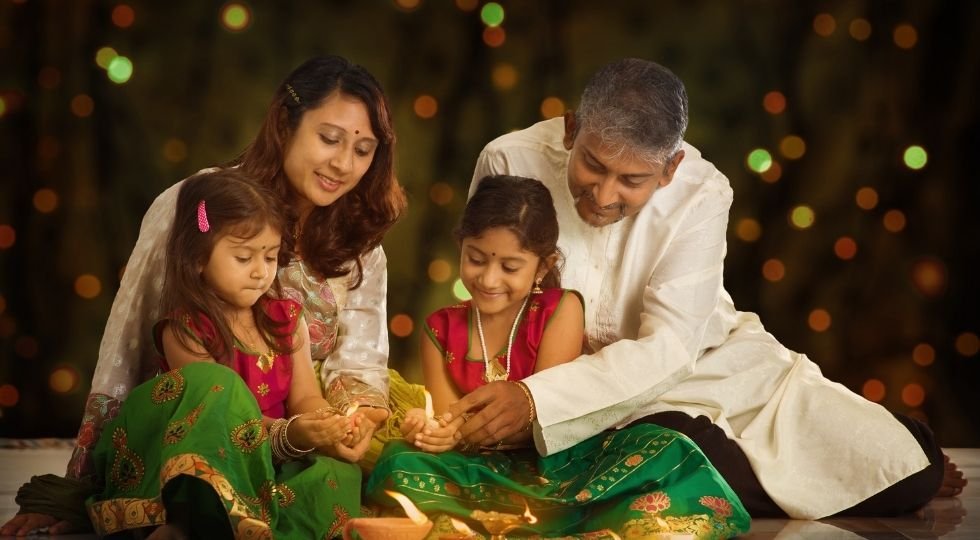
Two families from different regions of India, or one partner raised in India and the other raised abroad, often have genuinely different versions of the “correct” way to mark the same festival. Whose recipe for the sweets, whose sequence of rituals, whose relatives get the first phone call on Diwali morning — these aren’t small questions to the people who grew up with them. Treating one version as default and the other as an exception is a fast way to make a spouse feel like a guest in their own home.
Money, Independence and Two Sets of Family Expectations
Financial habits carry culture inside them. One partner’s family might expect the couple to send money home regularly and consult parents before big purchases. The other partner’s family might see that as the couple failing to build independence. Neither view is wrong on its own. The trouble starts when nobody names the assumption out loud until the money has already been spent.
In-Laws Across Time Zones
A daughter-in-law who lives eight time zones from her mother-in-law still deals with expectations about visits, calls, and involvement — they just arrive by phone instead of in person. Distance doesn’t remove the pressure to be a certain kind of spouse or child-in-law. It just changes the delivery method, and sometimes makes misunderstandings worse because tone gets lost over a call.
Families planning a cross-country celebration often run into the same logistics headache. If a wedding itself is on the horizon, this guide on planning weddings when family is scattered across countries walks through the guest-list and timing decisions that come before any of the cultural questions do.
NRI Matrimonial Challenges Nobody Warns You About
NRI matrimonial challenges start well before the wedding, often during the search itself.

Matrimony Profiles and the Pressure to Match on Paper
A matrimonial profile reduces a person to a handful of data points: income bracket, visa status, family background, height. Two people can look perfectly matched on paper and still struggle once daily life starts. A profile can’t show how someone handles conflict, how flexible they are about change, or how they define a good marriage. Families searching for NRI matches sometimes overweight paper credentials — a green card, a particular degree — simply because those are the easiest things to compare from a distance.
Verifying Someone You Have Never Met in Person
Matrimonial fraud aimed at NRI families is a real and documented problem — fake profiles, fabricated jobs, and occasionally entirely invented identities built to extract money or a visa sponsorship. Anyone searching through NRI matrimonial channels should independently verify job details, immigration status, and family background, rather than relying only on what a broker or matchmaking site reports. This overview of scams and red flags NRIs should watch for covers verification habits worth carrying into a matrimonial search too.
Building a Marriage That Runs on Two Systems at Once
None of this means cross-border marriages are set up to struggle. It means they need a few conversations that same-culture, same-country couples can usually skip.
Set the Terms Before the Wedding, Not After
The couples who do best are the ones who talk through the uncomfortable questions early: how often parents get consulted on major decisions, which festivals get priority, how holidays get split between two countries, what happens if one partner wants to move closer to family later. These conversations feel unromantic before a wedding. They save years of resentment after one.
Children Multiply the Cultural Questions
Once children enter the picture, every unresolved cultural question resurfaces with higher stakes — which language gets spoken at home, how much religious education happens, whether grandparents in India get a say in parenting decisions made abroad. Couples who worked through their own cultural differences early tend to handle these later questions with far less conflict. DeshSansaar’s guide to parenting across cultures and its companion piece on values and belonging for children abroad both go deeper into this stage.
Already thinking about how a mixed-culture household will raise its children?
Start with DeshSansaar’s Parenting Across Cultures guide before the questions pile up.
When Family Planning Becomes Another Cultural Battleground
Pressure to start a family “on schedule” is one of the more common flashpoints in NRI marriages, and it often collides with the practical reality of building a life abroad — new jobs, visa timelines, and the simple fact that fertility does not always cooperate with a family’s preferred schedule. Couples quietly struggling with this often don’t know where to start looking for help while living outside India. It can help to review the fertility treatment options available in India: many NRI couples find it easier to combine a visit home with a fertility consultation than to navigate the process entirely from abroad.
Weighing whether to explore fertility care during your next trip home?
See fertility treatment options in India on MorningSun before you plan the trip.
Looking After Yourself While You Navigate This
Wedding preparation and the months after a cross-border wedding are exhausting in ways that rarely get discussed — new time zones, new in-laws, a new country, sometimes all at once. It helps to protect one small daily ritual that belongs only to you, separate from every negotiation happening around you. Something as ordinary as a simple Ayurvedic skincare routine from Advik Ayurveda can be that anchor point on an otherwise unpredictable day.
When to Get Outside Help
Some friction resolves with time and better communication. Some doesn’t, and that’s worth naming honestly rather than assuming it will fix itself once the “settling in” period ends. A counsellor who understands cross-cultural marriages, or even a candid conversation with other NRI couples who have been through the same adjustment, can shorten the learning curve considerably.
Cross-border marriage isn’t a smaller version of a same-culture marriage. It’s a different kind of partnership, with its own rules, and couples who treat it that way — rather than expecting it to run like the marriage either set of parents had — tend to come out the other side steadier.
A Short Word on What Actually Helps
Cultural friction in an NRI marriage rarely gets solved by picking one culture over the other. It gets solved by two people deciding, together, which parts of each background they want to keep, and building something new around that decision. That isn’t compromise in the sense of losing something. It’s closer to designing a household that neither person’s parents ever had to design, because neither of them ever lived this particular kind of in-between life.
Working through your own cross-border marriage questions?
FAQs:
Unspoken assumptions about festivals, money, and in-law involvement, not one big disagreement.
No, but shorter courtships mean more compatibility questions get answered after the wedding.
Independently verify job, visa status, and identity instead of trusting profiles or brokers alone.
Yes. Naming expectations early prevents years of resentment later.
Yes, they raise the stakes on language, religion, and grandparent involvement.
Counsellors familiar with cross-cultural marriage, or trusted community and family support.
External Resources
For readers who want to look further into the topics mentioned above: