
Yoga and Ayurveda are often talked about separately. One gets a mat and a class schedule. The other gets herbs, diet charts, and clinics. But they were never meant to be split apart. They grew from the same root, in the same part of the world, aimed at the same goal — a body and mind that work well together. Understanding the yoga and ayurveda connection explains why so many wellness routines in India combine both, and why that combination is drawing more attention from NRIs and foreigners looking for something more grounded than a generic fitness plan.
Two Sciences, One Root
Yoga and Ayurveda trace back to the same body of ancient Indian knowledge. Ayurveda focuses on internal balance — digestion, energy, sleep, immunity. Yoga focuses on movement, breath, and mental focus. They were designed as companion sciences, not competing ones.
Old texts rarely treated them as separate categories. A person following Ayurveda was expected to move their body with intention. A person practising yoga was expected to eat and rest in a way that supported the practice. Modern wellness culture split them into different aisles — supplements here, workout classes there. The original idea was simpler: one system for the whole person.
Still working out where to begin?
How Yoga and Ayurveda Support Each Other
Yoga Moves the Body, Ayurveda Understands It
Ayurveda gives you a framework for what your body needs — whether you run hot and need cooling routines, or you’re naturally sluggish and need more stimulation. Yoga gives you the tool to act on that. Someone prone to anxiety and restlessness may do better with slower, grounding sequences. Someone prone to sluggishness may do better with more dynamic, warming ones. Neither system pushes a single routine that works for everyone.
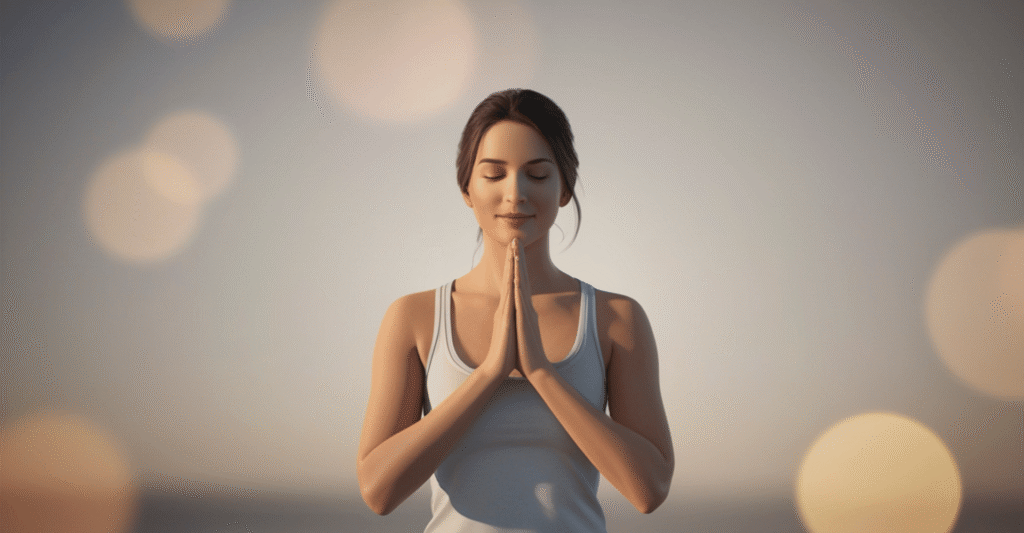
Shared Idea: Balance Over Perfection
Both systems avoid extremes. Ayurveda doesn’t push one “correct” diet for all people. Yoga doesn’t push one “correct” pose alignment for all bodies. Both ask a simple question: what does balance look like for you today? That question matters more once you notice how much daily life pulls people out of balance — screens, travel, deadlines, time zones.
Breath, Digestion, and the Nervous System
Pranayama, the breathing practice inside yoga, has a direct effect on digestion and stress response — two things Ayurveda spends a lot of time on. Slow, controlled breathing calms the nervous system. A calmer nervous system supports better digestion. Better digestion, in Ayurvedic thinking, supports almost everything else in the body. This is one of the clearest places where the ayurveda and yoga lifestyle stops being theory and starts being physiology.
The Ayurveda and Yoga Lifestyle in Daily Life
You don’t need a retreat to start living this out. A simple version looks like this:
- Waking around the same time each day.
- A short breathing or stretching practice before breakfast.
- Eating the largest meal when digestion is strongest, usually midday.
- Winding down without screens before bed.
None of this needs special equipment. It needs consistency more than intensity. Ayurveda calls this dinacharya, or daily routine. Yoga calls a piece of it sadhana, or committed practice. Different words, same underlying habit: show up regularly, in a way your body can sustain.
Why This Combination Appeals to NRIs and Foreigners
People living outside India often come to yoga and Ayurveda after trying more fragmented approaches — a gym membership here, a supplement there, an app for sleep, another for stress. The appeal of combining yoga and Ayurveda is that it doesn’t ask you to manage five separate systems. It asks you to look at one daily rhythm instead.
This matters even more for people juggling time zones, long work hours, and distance from family. Sleep gets disrupted. Stress becomes constant background noise instead of an occasional spike. If persistent anxiety or low mood is part of what’s driving your interest in yoga and Ayurveda, it’s worth treating that seriously rather than only through wellness routines. DeshSansaar’s guidance on mental health and anxiety support for NRIs covers when it’s time to bring in professional support alongside lifestyle changes.
Where India Puts Yoga and Ayurveda Together
India isn’t short on places built specifically around this combination — retreats where yoga sessions are scheduled around Ayurvedic meals, therapies, and rest. These aren’t marketed as separate services. They’re built as one program.
Exploring this beyond reading about it?
Ashrams take this further, often built entirely around a shared daily rhythm of yoga, simple food, and quiet. Morning Sun’s overview of the ashram living experience is a useful starting point if that kind of immersive setting interests you more than a short retreat.
Ancient Indian Wellness Practices Beyond the Mat
The yoga and ayurveda connection isn’t limited to postures and herbs. It shows up in smaller rituals too — oil massage before bathing, specific breathing before meals, sun-facing movement in the morning.
Surya Namaskar, the sun salutation sequence, is a good example. It’s a yoga practice, but Ayurveda also treats it as a way to regulate energy through the day. Advik Ayurveda’s breakdown of Surya Namaskar benefits is a practical look at how this single sequence ties movement, breath, and daily rhythm together.
These aren’t dramatic rituals. They’re small, repeatable habits — which is closer to how both systems were meant to be used.

Getting Started Without Overwhelm
You don’t need to adopt everything at once. A realistic starting point:
- Pick one consistent time to move your body each day, even ten minutes.
- Add slow breathing before or after that movement.
- Eat your main meal earlier in the day when possible.
- Protect your sleep window as strictly as you’d protect a work meeting.
Build from there. Both yoga and Ayurveda were designed around gradual change, not overnight transformation.
Curious how this plays out for other people navigating wellness from abroad?
And if your questions are more about navigating Ayurveda and wellness decisions safely from outside India, DeshSansaar’s Ayurveda guidance for NRIs and foreigners is a good next read.
Conclusion
Yoga and Ayurveda were never meant to compete for your attention. One moves the body, the other explains why that movement matters. Together, they offer a simple, repeatable way to stay steady — even when life, distance, and time zones make steadiness hard to find. Start small, stay consistent, and let the two systems do what they were built to do together.
FAQs:
No. Yoga is a movement and breath practice; Ayurveda is a health system. They complement each other.
No. Even one, practiced consistently, helps. Combining them just deepens the effect.
A daily rhythm — consistent sleep, mindful eating, and movement guided by your body’s needs.
Yes, when started gently. Simple breathing and short movement sessions suit most beginners.
Both address stress directly, through breathwork, routine, and calming the nervous system.
External Resources
For readers who want to explore the background and research further: